


Empathy in Recovery: What to Expect at Long Term Drug Rehab Florida
There’s a reason why Florida has become synonymous with addiction recovery. It’s the same reason why people vacation and retire here: sunshine, warm weather, and natural beauty – it’s good for the soul. Not to mention, there’s an abundance of things to do and places to explore to keep yourself busy and out of trouble.
Long-term drug and alcohol treatment can range from 3-6 months on average, with some treatment programs lasting a year. Individuals will typically transition from detox to inpatient care, followed by outpatient care, and possibly sober living housing.
Committing to a long-term rehab center can feel daunting, but there are so many benefits that will have a lasting impact on your recovery.

What to expect at a long-term drug rehab in Florida.
Nurtured by Nature: Benefits of Addiction Treatment in Florida
Long-term rehab programs are proven to be more beneficial than short-term rehab. The additional time and focused healing results in more positive outcomes and higher percentages of long-term success in recovery. But does it really make a difference where you complete your treatment program?
The quick answer: yes.
Environment and Mental Health
Our environment can have a significant influence on our physical and mental health. Both of which are critical when going through addiction treatment. Being in an environment that is conducive to healing can have consequential impacts on lasting recovery.
The right environment, both physical and natural, can positively affect our body and mind, encouraging interactions among our peers, influencing behavior and mood, increasing motivation, and most importantly, reducing stress.

Physical and natural environments have significant impact on addiction rehab and long term recovery.
Individuals who attend long-term drug rehab in Florida might be surprised to learn how much sunshine affects their recovery. From decreasing depression to increasing motivation, sunshine has been proven to have a positive effect on a person’s mental health and well-being.
In addition to the pleasant weather, Florida’s diverse ecosystems ranging from oceans, lakes, and rivers to forests and marshlands, provide for both thrilling adventure and reflective meditation. Exposure to outdoor activities has been linked to numerous benefits including reduced risk of psychiatric disorders, lowered stress, better mood, improved attention, and increased empathy and cooperation.
Benefits of Long Term Drug Rehab
On top of the natural benefits of attending drug rehab in Florida, long-term programs specifically provide a host of additional advantages that can help lead to successful recovery. These include:
- Focused and consistent therapies
- 24/7 access to a medical team and support staff
- Structure and routine
- Peer support network and camaraderie
- Safe environment away from old influences and triggers, minimizing the risk of relapse during treatment
- Holistic treatment
- Empathetic counseling

A long-term rehab program is proven to be more beneficial for recovery.
Empathy in Recovery and the Motivation for Change
Empathy is defined as “the ability to understand and share the feelings of another.” Empathy is the basis of a good relationship.
In drug and alcohol rehab, empathy plays a decisive role for the recovering individual who needs to both receive empathy as well as offer it. When paired with an empathetic therapist, the individual has a better chance of successfully completing their treatment program. When empathy is learned and offered to their loved ones, it can mend and strengthen broken relationships.
Early Use of Aggressive Tactics in Addiction Therapy
In the past, it was believed that drug abuse and alcohol addiction were linked to rigid defense mechanisms, particularly denial and rationalization. The treatment approach for addicts became highly confrontational and aggressive. One treatment center even became known for its group therapy sessions in which individuals would verbally attack each other.

Aggressive tactics were used in group therapy until the mid-80s.
Not surprisingly, treatment centers began to alter their treatment methods in the 1970s after poor outcomes. By 1985, the former method was officially renounced, and instead, studies revealed that drug addiction counselors who showed high levels of empathy were far more successful.
Rather than authority and power, a counselor’s use of empathy was the key to increasing an individual’s motivation to change.
Success of Motivational Interviewing in Addiction Treatment Programs
Motivational Interviewing is now the recommended evidence-based approach to counseling used in many long-term drug rehab centers in Florida. The main goal is “to express empathy and elicit clients’ reasons for and commitment to changing substance use behaviors.”
The Substance Abuse and Mental Health Services Administration (SAMHSA) recently released an update on applying these motivational methods in addiction treatment. They include:
- Focus on client strengths
- Individualized and person-centered treatment
- A shift away from labeling
- Therapeutic partnerships for change
- Use of empathy, not authority and power
- Focus on early and brief interventions
- Recognition of a continuum of substance misuse
- Recognition of multiple SUDs
- Acceptance of new treatment goals
- Focus on risk reduction
- Integration of addiction, behavioral health, and healthcare services

An empathetic approach to addiction rehabilitation has shown more positive treatment outcomes.
An empathetic approach seems easy but requires an addiction counselor to be trained in effective communication. Counselors who successfully employ empathy and support, show higher “positive treatment outcomes, including decreased substance abuse, abstinence, and increased treatment retention.”
Developing Empathy During Recovery
Not only is it important for addiction counselors to exhibit empathy but also for the recovering individual to learn empathy.
Studies have proven that adults with substance use disorders are noticeably less empathetic, both cognitively and affectively. Inherently, addiction is about survival, and in that mode, an individual will typically act selfishly. They have a decreased ability to understand others’ perspectives. As such, relationships between addicts and their friends and family members are often strained and damaged.

Addicts are noticeably less empathic and relationships with loved ones are often strained.
Why is Empathy Important?
Empathy, however, is crucial to long-term recovery. And not only to recovery but to life in general. It is a key component of good communication and successful relationships. When empathy is practiced in addiction recovery, it can help an individual:
- Improve communication skills
- Become more compassionate
- Understand someone else’s side and not pass judgment or rush to conclusions
- Not be selfish and self-absorbed
- Reduce apathy and learn to care about others
- Repair relationships
Practicing Empathy
As an individual goes through the recovery process learning about themselves, communicating with their peers, and discovering positive behaviors and habits, they will have the opportunity to learn empathy. Some methods in which a person can practice empathy include:
- Practice being mindful of your own feelings; noticing when and why they occur.
- Don’t judge others; stay neutral and try to understand alternative points of view.
- Know that you can still understand and appreciate someone else’s point of view, without having to agree with them.
- Don’t plan your responses while another person is still speaking. Give them your full attention and then think about your response.
- Consider the other person’s feelings and point of view. Imagine removing yourself from your body and viewing the situation through their eyes. Think about how they might see a situation differently than you.

Considering Drug and Alcohol Addiction Treatment?
If you’re thinking of attending long-term drug rehab in Florida, particularly near Jacksonville, Melbourne, or Central Florida, consider St. John’s Recovery Place. There’s a reason why our past clients say we become like a second family to them.
Our professional and empathetic therapists and counselors understand that you are far more than just your disorder. Our entire team is dedicated to helping you not only begin addiction recovery but maintain lifelong sobriety.

Get started with long-term addiction treatment at SJRP.
Substance Abuse Treatment Programs at SJRP
SJRP is a comprehensive drug and alcohol rehab center for adult men and women. Our rehab center provides numerous treatment options including dual diagnosis treatment. Individuals suffering from co-occurring disorders receive renowned integrative care for their addiction and mental health disorders. Our services include:
- detox
- medical detox
- inpatient drug rehab
- outpatient rehab
- partial hospitalization
- intensive outpatient
- aftercare services, and
- sober living homes
It’s time to break free from your addiction. Call our admissions team today to get started with our long-term rehab program and begin your journey to long-lasting recovery. Call 833-397-3422 now.
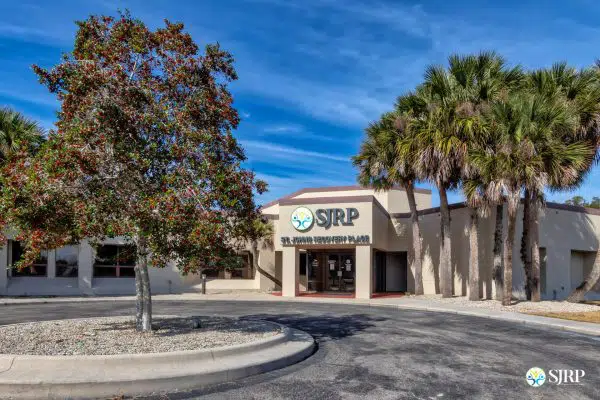
SJRP long term drug and alcohol addiction treatment center in Crescent City, FL
SOURCES:
- University of Florida IFAS Division ECOSYSTEMS & SPECIES. (2017, October 25.) (2021, August 16.)
- Moyers TB, Miller WR. Is low therapist empathy toxic? (2012, October 1.) (2021, August 16.)
- Substance Abuse and Mental Health Services Administration. Enhancing Motivation for Change in Substance Use Disorder Treatment. Treatment Improvement Protocol (TIP) Series No. 35. (2019.) (2021, August 16.)
- Massey SH, Newmark RL, Wakschlag LS. Explicating the role of empathic processes in substance use disorders: A conceptual framework and research agenda. (2017, May 10.) (2021, August 16.)
- Kreitzer, Mary Jo, RN, PhD. Taking Charge of Your Health & Wellbeing. University of Minnesota. What Impact Does the Environment Have on Us? (2022, April 29.)
- Weir, Kirsten. Monitor on Psychology. American Psychological Association. Nurtured by nature. (2020, April 1) (2022, April 29.)







Leave A Comment