


Best Foods to Supplement Sobriety
They say, “an apple a day keeps the doctor away!” But, does maintaining a healthy diet actually directly impact a person’s chances of living better, healthier, happier lives?
Does maintaining a well-balanced diet have more health benefits than just losing weight? And, is there a possibility that eating certain foods can help people who struggle with drug addiction or heavy alcohol consumption to reverse the effects of substance abuse on their bodies?
This article will break down the benefits of making healthy eating choices.
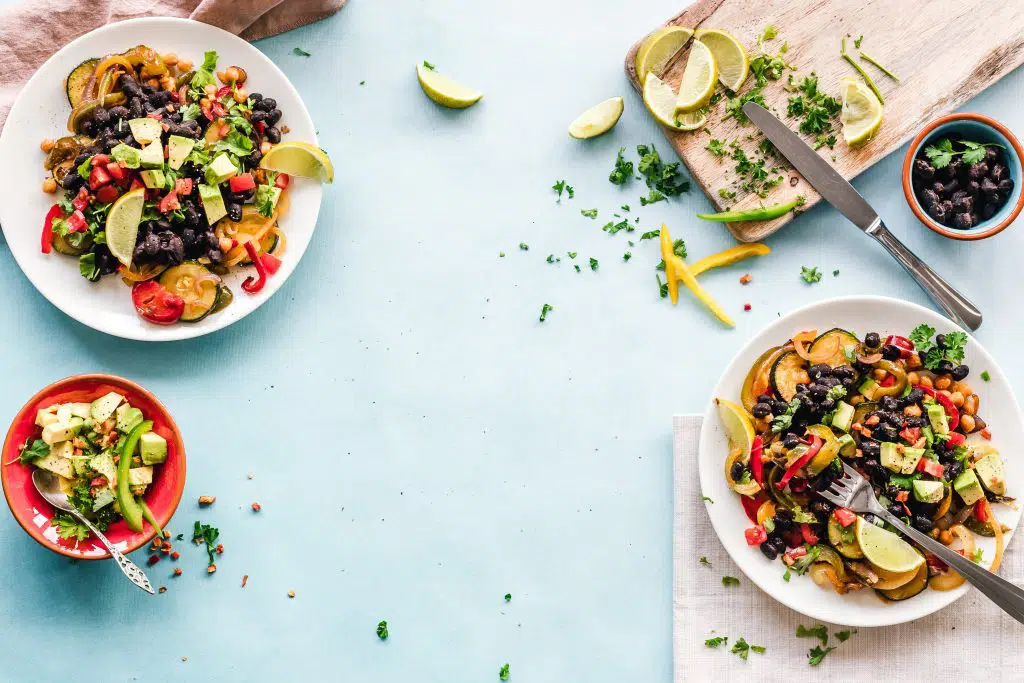
But we will also cover the importance of pursuing good nutrition in rehab. We will even talk about how some vitamins and minerals are more effective at counteracting harmful substances in our bodies than others.
The human body is remarkable, and it wants to work well for us! But, if we spend all of our time filling our bodies with harmful substances-like foods rich, or too much sugar, drugs, or too much alcohol-we can cripple our body’s defenses.
Thus, leaving us to wrestle with poor mental wellness, an impaired immune system, and other emotional physical adverse side effects.
Good Foods and a Healthy Diet are Here to Help
Not everyone will like to hear it, but eating plenty of fresh fruits and vegetables is essential to gaining (and maintaining) good health. Frequently overeating sugar or processed foods can lead a person to develop a poor diet. A poor diet can lead to adverse effects on not only your physical appearance but mental health as well.
There is another saying that many people are familiar with, “we are what we eat.” And if what we eat all day is unhealthy foods, then we, in turn, will not be in our best health.
A balanced diet goes a long way to helping you maintain good overall health.
While poor nutrition, in comparison, can wreak havoc on your overall wellness.
Over Half of All Americans Wrestle with Poor Food Cravings and Bad Diet
Over half of the United States population, today struggle to make healthy choices when it comes to eating.
According to nutrition experts, over 46% of adults and 56% of children in America practice regular eating patterns that are harmful to their bodies. It’s hard not to eat poorly! Many Americans have a big sweet tooth and frequent sugar cravings. They enjoy regularly eating products like pizza or large amounts of pasta. Additionally, many adults in the United States cannot stop drinking alcohol or using medications in their daily lives. Thus, further harming their body’s natural working systems. What we put into our bodies significantly impacts our short- and long-term emotional, mental, and physical wellness.
Despite the danger, most people today still eat very poorly.
What Prevents People From Having a Healthy Diet?
Now, the real question is, why do people eat such bad food? And why do they eat so much bad food so often?
Maintaining proper nutrition can be harder than it looks. For many Americans today, food-like substance abuse is a means of escape or a coping tool people use to help them feel better. Many of us grew up drinking soda and eating white bread, never thinking twice about what impact our regular meals and sugar cravings were having on us. We ate what tasted good or what friends and family members provided.

As we grew, our parent’s eating habits solidified in our daily practices and became our own.
Even though most of us learned about food groups and the importance of eating fruits and vegetables in school, eating regular nutritionally balanced meals probably did not occur often. And this could be for several reasons, including:
- Competing priorities
- Lack of time
- Geographic location
- Cultural or familial background
- Nutrition environment
- Access to nutrient-rich foods
- Finances
- Social norms and stigmas surrounding bad and good nutrition
- Personal likes and dislikes of taste, texture, and even patience
There are many more factors that go into consuming healthy foods than people realize. Suppose we grew up in a home where family members drank soda regularly. In that case, we are much more likely to drink carbonated beverages throughout our lifetime. Just like if we grew up in a house with recovering alcoholics, we might unconsciously stay away from drinking alcohol more.
Whatever our reasons, our stress levels and general environment can influence how we eat. And the way we eat can affect everything from our digestive system and weight loss to addiction treatment and recovery.
There are Healthy Ways to Change How You Eat, and Not So Healthy Ways
Everyone’s body is different, and therefore, each person has a different reaction to various nutritional supplements.
In a world filled with obesity, drug addiction, alcohol abuse, it can be hard to figure out what good nutrition looks like for us as individuals. Every person must find the right nutritional balance that works for them. Sometimes, that means eating more whole grains, complex carbs, or ingesting fewer dairy products. Eating adjustments will work better for some individuals than they will for others. It’s all a matter of trial and error.
Still, even though most healthy choices are up to the individual, we know that more fresh veggies, fruits, and healthy fats are an excellent way to eat better.
And diets or restraining caloric intake are never the way to go.
Physical and Mental Effects of Poor Nutrition
Today, it’s almost common knowledge that addiction can affect our moods, mental wellness, and physical health. Even so, we often seem to forget that substance use disorders can impact our appetites and how we eat too.
Undernutrition can be just as dangerous to our physical wellness and mental health as substance abuse.
Poor Nutrition Can Affect Your Blood Sugar, Nervous System, Mood Swings, and More
Some of the most common physical and mental effects of poor eating habits and undernutrition include:
- Gaining too much weight
- Losing too much weight
- Suffering from dehydration

- Developing high blood sugar
- High blood pressure
- Tooth decay
- Developing or worsening symptoms of depression
- Liver disease
- Higher risk of developing some forms of cancer
- Heart disease
- Higher risk of stroke
- High cholesterol
- Risk for osteoporosis
- Higher risk for developing various eating disorders
- Higher risk for developing type-2 diabetes
- Memory problems
- Mood swings
- Concentration issues
- Digestive problems
And so much more. Substance use disorders can unbalance our entire lives, including how we consume food.
Food ties into every aspect of overall health, and where our nutrition suffers, our mental and physical wellness struggles too.
How Fresh Fruit and Leafy Greens Can Help You Beat Drug and Alcohol Addiction
There are many ways to eat healthily that won’t break the bank or make you want to give up a dietary change. Of course, like addiction recovery, the early stages of the process can be challenging.
Still, if you stick with your choices, get plenty of vitamins and minerals, leafy greens, and hydrating foods into your system. You’ll begin to feel a positive difference sooner than later.
Getting your body the proper nutrition helps produce more natural feel-good chemicals throughout the day.
As your body begins to produce energy without junk food, alcohol, or drug metabolites in your system, you’ll feel stronger and happier.
Of course, like the rest of the early recovery process, everyone’s dietary changes will look different. However, in our time treating detox symptoms, alcohol, and drug abuse. We have found some foods, vitamins, and minerals are better suited to helping recovery than others. Some of these foods include the following!
The Best Foods to Supplement Sobriety in Alcohol Detox
When you change how you eat to beat an alcohol use disorder, the early recovery stages can leave you feeling weak and hungry. Alcohol does a really good job of making people feel hungry when they drink it.
Thus, frequent alcohol use can lead a person to have a bigger appetite even after they stop drinking. As a result, when people enter alcohol detox programs, they may feel hungrier than usual as withdrawal symptoms begin to impact their minds and bodies. Boredom and hunger can lead people to do dangerous things, even in alcohol detox and drug rehab. So, it’s essential to keep your mind busy and your body filled with good foods to help counteract boredom and hunger adequately.
Some of the best foods to eat when fighting addiction in an alcohol detox program include:
- Dark leafy greens (spinach, kale, broccoli, Brussel sprouts, asparagus, and sometimes lettuce): These leafy vegetables are an excellent source of B vitamins, C vitamins, A vitamins, and antioxidants. Eating these while in alcohol detox and recovery can help restore your body’s proper calcium absorption, fight inflammatory diseases, combat cancer, and heal bones.
- Fresh fruit (apples, bananas, oranges, pears, blueberries, raspberries, strawberries, and cucumbers): These fruits help curb a raging sweet tooth, but they can also provide an individual with extra folic acid and other B vitamins. Not only do they help people stay satisfied between meals, but they can also help the body build and maintain new, healthy cells.

- Whole grains (wheat bread, brown rice, oatmeal, and pasta made from whole grains): These foods can provide an individual with both simple and complex carbohydrates. Ingesting plenty of complex carbs will help stabilize an individual’s blood sugar and prevent mood swings. It will also help keep them full for longer without feeling weighed down.
- Healthy fats and proteins (chia seeds, sunflower seeds, walnuts, peanuts, eggs, beef, poultry, lean fish, and beans): These foods not only provide the body with healthy fatty acids and amino acids, but they also help individuals generate and restore natural energy, burn fat, and more. The body does not generate these on its own, so these supplements must come from our diet to help keep us the healthiest possible.
- Water: Dehydration is a severe issue many recoverers find themselves wrestling with after stopping substance abuse. Ensuring we get plenty of water should be a top priority for everyone, substance use disorder or not!
And us getting plenty of these acids while in addiction treatment can help us with weight loss, energy levels, concentration, and more.
The Best Foods to Supplement Sobriety in Drug Addiction, Early Recovery
Individuals working to recover from a substance use condition can expect many of the same foods to benefit their recovery. Even so, there can be some differences in which foods are recommended for the individual to eat.
For instance, people in alcohol detox are more likely to be recommended to consume more healthy fats and greens. Meanwhile, rehab professionals may tell individuals in drug detox to eat more greens, take additional nutritional supplements, and eat fewer fats but more carbs.
In the end, it all depends on the individual and what their nutrition needs are.
Some of the best foods a person can eat while recovering from a drug use disorder include:
- Water
- Dairy products (milk, non-fat yogurts, etc.)
- Tofu
- Kale
- Spinach
- Brussel sprouts
- Asparagus
- Tomatoes
- Broccoli
- Brown rice
- Whole wheat and grains
- Barely
- Eggs
- Poultry (turkey, chicken, etc.)
- Beef
- Fish
- Apples
- Oranges
- Grapefruits
- Pears
- Bananas
- Dried fruits (raisins, cranberries, mango, pineapple, etc.)
Today, good food that can help curb drug and alcohol cravings are out there. It may be challenging to find these items at first or know how to pair them to keep yourself away from eating junk. But we promise you, its a lot easier once you get started.
And once you commit to the process of healing and eating right, you’ll begin to feel healthier and happier very quickly.
How Good Nutrition Can Help Ease Withdrawal Symptoms in the Recovery Process
Abusing drugs or alcohol can have short- and long-term effects on our overall health. Whether we realize it or not, using substances impacts not only our emotional state. It also affects our eating habits, mental health, and physical wellness.
For many people who wrestle with addiction, changes in weight, appetite, and food consumption patterns are common.
However, what many people do not realize is that food does not only have to harm our bodies; it can help us heal too.
As a result, many drug and alcohol addiction treatment facilities use nutritional support to help people heal throughout detox and inpatient rehab. Learning how to eat healthy from the very early phases of recovery through outpatient care can help people in many ways, including:
- Easing drug cravings
- Curbing sweet cravings
- Replenishing depleted vitamins and minerals in the body
- Replenish hydration
- Help fight long- and short-term diseases and side effects of abuse
- Encourage natural production of energy in the body
- Improve skin and overall appearance
Eating better food in detox and rehab can also help ease withdrawal symptoms, prevent additional irritability, and allow individuals to sleep better.
Changing our diet can be more than just adjusting when, how, and what we eat. It can be a positive life-changing experience! Even so, it can be hard to find the willpower to eat well.
St. John’s Recovery Place, Whole Foods, and Treating Chronic Substance Use
Hence, why rehabilitation centers like St. John’s Recovery Place (SJRP) work so hard to provide their clients with excellent nutritional support services! At SJRP, we believe in the holistic power of healing in mind, spirit, and body.
As a result, we provide our clients with the opportunity to engage in traditional and alternative rehabilitative practices. One of our most innovative programs involves our nutritional support systems and plans, adapted to help individuals make steady progress towards long-term sobriety.
Here at St. John’s Recovery Place, we believe eating a well-balanced diet can strengthen our long-term recovery progress. But, we don’t rely on just good food to help us heal. We also use a variety of other drug and alcohol rehab practices and principles of treatment! If you or a loved one struggles with substance abuse and poor eating habits, St. John’s may be the right place for you to heal in!
If you want to know more about SJRP, its nutrition program, other rehab practices, or therapies, you can call us today at 1-833-397-3422. Or, visit us online here! Don’t wait for another second to make the call; start your recovery journey today with SJRP!


Leave A Comment