


Pop Culture and Recreational Drug Use
Have you ever heard the phrase, “you are what you eat?” Well, the term can have many more interpretations besides a focus on food.
So, what’s the overall punchline of the phrase? We are what we consume.
Micheal Corthell said it perfectly when he wrote, “It’s not just food that creates (and recreates) you, your thoughts, and your environment do as well.” What you read and watch, the people you talk with, and the music you listen to all impact you.
Whether we admit it or not, social norms and mainstream society highly influence our human brain.
And as more stories about drug experiences and substance use flood our social networking sites, general media, and even pop music, illicit drug use, drug policies, and even drug traffickers are beginning to influence our lives.
Understanding What Culture Is
Every year, millions of American women, children, and men suffer from a drug or alcohol use disorder. As rave culture has given in to social trending and meth culture, even more, young adults are finding themselves in trouble with drug or alcohol abuse.
But, it’s not just social media that is influencing young people. Popular culture at home also plays a major role in the rise of recreational drug users.
Culture is Remarkably Complex
Almost anything we engage with consistently can become a social, behavioral, and belief system influence. In fact, everyday citizens can use the word “culture” to describe any number of different social norms or societal groupings.
As a result, one person can belong to many different cultures at once!
Your religious background can have its own culture. If you are from a mixed home, you may be exposed to two different types of ethnic cultures as you grow. Additionally, your friend groups or even the town you live in can also introduce you to different societal cultures.
It is amazing how much culture can change from one person to another.
Sometimes, we grow in it. And other times, we grow to challenge it, making our cultural norms as we develop personal belief systems and values. This is especially true in countries like the United States that consistently expose citizens to more than one cultural norm at all times.
By definition, the word “culture” can describe the values, beliefs, and behaviors that a nation, ethnic, or religious group universally shares amongst themselves.
Despite the bond culture can create, not all shared cultural recreations are safe.
Drug culture, for instance, can be especially dangerous. Not just to the person abusing illegal drugs and alcohol. But, for their family members too.
Culture in The United States, A Mixing Pot of Diversity
In today’s age, it is not a new concept for cultures within countries to have a mix of influences.
We have access to Korean drama networks; we can watch the news, travel, try new foods, study abroad, etc. Even nerd culture-involving events like Comic Con-have started to catch on in larger groups of people.
So, it is becoming more and more common, especially along European trade routes, for culture to be more diverse in more than half the world.

Even so, some places across the globe have more cultural diversity than others.
For instance, the United States has several distinct cultures that the American population actively engages with daily. And that is besides American culture itself. From wall street to pop music, scientists to artists, and more.
In America, culture is a mixing pot of diversity.
Between Large Families, Single Parent Households, and Mixed Home Backgrounds, American Culture on Top of Individual Fluctuations and Societal Norms is Extremely Captivating
Here, more than any other place globally, we bond as a community, learning to navigate higher than average public and private diversity levels.
Most of the time, this is an excellent living characteristic of the nation. However, there is a problem.
America’s cultural openness can also be a danger to society, allowing some citizens to engage in extremely risky behaviors.
Even though America leads over a million people to experience various cultures daily, few Americans are widely aware of culture’s influence.
Today, the Oxford University Press and other scientific journals are beginning to mention the social and familial connections with drug culture and heroin dependence. Despite the core values of the American nation of striving for health and happiness, millions of people lose their identity in illegal and prescription drugs or alcohol. Many Americans are becoming numb to the influencing power of illicit drugs and alcohol in different media outlets. They falsely believe they have more control over substance use than drugs have on them.
As a result, the world drug report notes increases in drug and alcohol addiction.
The Impact of Drug Abuse on American Culture
Our values and belief systems help us determine who we are. We have added opportunities to build our belief systems in America as our society pursues health and happiness. But what happens to the original American dream when drug culture becomes the center of popular culture?
At the end of the day, we are all the product of our environments and what we choose to consume.
And as psychoactive drugs and fermented alcoholic beverages drive society’s youth culture, the risk for addiction and accidental death on a national level only continues to grow.
For whatever reason, young people and drug culture today are hard to separate. College kids and high school students drink too much, resulting in alcohol use disorders. And young adults looking for an escape from the stresses of daily life depend too much on substance use to provide them with relief.
Even Older Generations are Struggling with Prescription Drugs and Alcohol Use
As illegal drugs and drinking take over popular culture, more and more families have been ripped apart. Friendships end, and hospitals are overwhelmed in emergency care.
The only good news is even though drug dealers are peddling substance abuse like no tomorrow, there is hope for healing.
Luckily, our cultural labels on a personal and social level can grow and change. Likewise, if we are wrestling with addiction, there is hope for a full recovery with professional treatment. In spite of this good luck, our cultural flexibility can still be both a blessing and a curse. For instance, Americans today are much more accepting of people who struggle with a condition like heroin addiction.
Yet, as we become more compassionate to struggling illicit drug users and addiction rehabilitation, we are becoming less aware of the overall danger drug trafficking poses.
Substance Abuse and Drug Culture, Leaking into Mass Media
Pop culture references are alluding more and more to the use of prescription drugs. And we constantly hear about substance abuse stories and alcoholism.
One of the scariest things is the same media outlets that help us stay informed and connected. They are also painting drug and alcohol play in a positive light. Several hip-hop artists make regular mention of substance abuse and problem drinking. Hip-hop culture embraces opioid abuse and party drug culture like it’s the one thing that can make a person cool. Meanwhile, other musicians, television shows, and social media regularly depict people suffering from problematic alcohol consumption and heroin overdose at acid test parties. Usually, they do this to authenticate their show’s legitimacy in storytelling.
Yet, instead of teaching anyone anything productive about the drug trade and personal safety. These forms of media are romanticizing substance use in popular culture.
Thus, more young people are likely to use heroin or other drugs and alcohol at least once in their lives.
Making Drug-Related Crimes and Use of Illicit Substances Look Appealing to Young People is Highly Dangerous
Of course, not all youth culture is heavily attracted to pop culture trends.
Even so, most young people today are highly influenced by what they see on TV or online.
As a result of media outlets pushing drug references in the faces of young people, mainstream society has begun to note increasing cases of drug and alcohol addiction occurring.
And as more cases of alcohol and drug overdose begin to appear, the more the pharmaceutical industry and everyday citizens suffer.
Defining Popular Culture (Pop Culture)
Popular culture has a lot of similarities with general cultural practices.
The only difference between popular culture and generally held cultural views is their beliefs. Pop culture references a broad social system’s practices, objects, and opinions. Typically, these beliefs include fashion trends, popular entertainment, pastimes, slang within language, and so on.
Typically, young people ages 25 and younger engage most regularly with popular culture.
Older generations tend to stick more firmly to their cultural preoccupations once they are over 25. They yield very little to the growing changes of popular culture.
And to many young people, they may seem out-of-date or rigid. When in reality, their brain has matured enough to hold their values close while remaining flexible to new lessons, situations, and a growing community.
Meanwhile, on the other hand, younger generations are more susceptible to trending outside influences and popular culture changes. Until they reach maturity, their belief systems, likes and dislikes are in a near-constant state of flux.
Are Drug Users and Heavy Drinkers the New Face of America’s Popular Culture?
In some cases, this cultural flexibility allows our society to learn new lessons, adapt to new situations, and grow as a community.
Yet, there are cases in which cultural flexibility can be detrimental to personal health and society. Whether we want to admit it or not, drug and alcohol addictions are issues born in part from cultural fluidity. Especially in recent years, social media has taken off, and music has influenced younger people. Popular culture has helped solidify the epidemic known as recreational drug use and alcohol addiction.
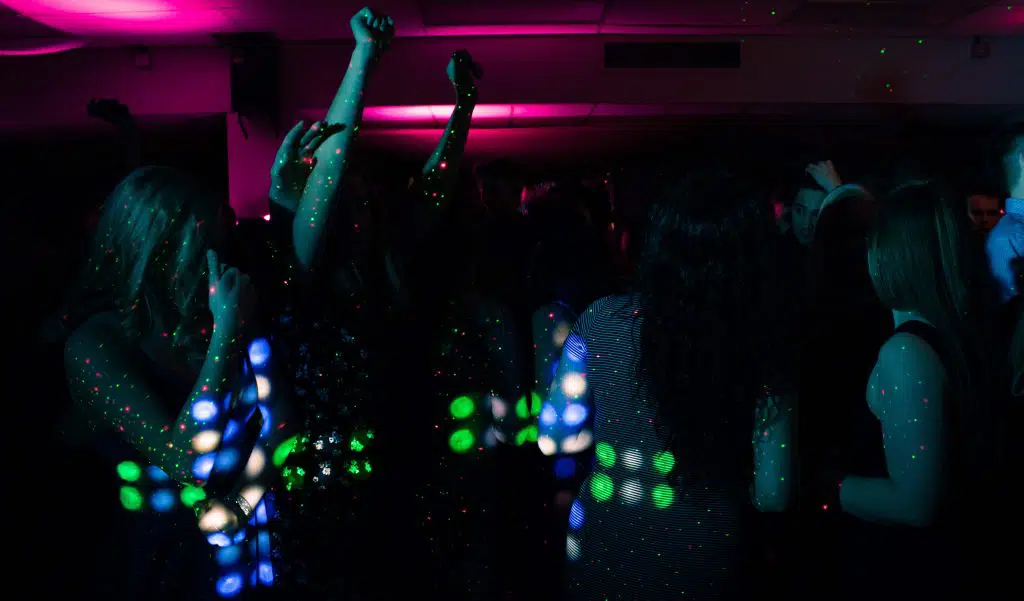
Like normal cultural fluctuations in America, popular culture changes regularly.
Today, alcohol and drug addiction cases are on the rise. And there is no telling when or if they will stop. However, even though pop culture references substance use regularly. We cannot say for sure that every young person in America will become a drug dealer or addict.
In contrast, what we can say for sure, is that America’s pop culture references many harmful activities. And those who decide to indulge in drug culture, no matter their age or background, are at very high risk for developing a serious, sometimes life-threatening medical condition.
Pop Culture is Subject to Change
Culture is a wide variety of beliefs, communication styles, ways of thinking, and behaving. It can change drastically from one person to the next, even if it is based solely on how a person was raised.
Where you grow up, the people you hang out with, the ideas you form, etc., all influence your cultural variety.
Pop culture, on the other hand, or “popular culture,” refers specifically to material culture and traditions that individuals form through music, movies, and stories produced through mass media. In a way, pop culture is nothing more than “popular opinion.” This popular opinion is usually what influences our everyday lives in American culture. And it is subject to change much more frequently than our regular cultural standings.
Factors that May Push Substance Abuse in Pop Culture
Bullying and peer pressure rates across all age groups are climbing to record highs.
And with peer pressure rates mounting, substance abuse is also growing. Today, pop culture and recreational drug use run together hand in hand. Yet, not always for the same reasons.
Sure, it is very common in popular culture today to refer to substance use. Still, not all people who use alcohol or drugs recreationally are trying to gain popularity or stay on-trend. Alongside peer pressure and bullying, stress is one of the number one life factors that drive people to abuse alcohol or other drugs.
Individuals of all ages will try drinking or abusing substances in pursuit of a wonder drug to solve all of their stress issues.
They Fail to Realize; Stress is a Constant in Life
And as long as they continue to try to use drugs or drink to calm themselves, they will be adding to their stress levels.
There are many healthier ways to deal with stress.
Even so, as stress levels rise and popular culture turns to every psychoactive drug in the book as a way to have fun, addiction and overdose records continue to rise. Of course, no one ever intends to become an addict when they begin misusing drugs or alcohol. But once they start abusing, developing an addiction is always a possibility.
Drugs and alcohol are not free samples for stress reduction methods.
But unfortunately, popular culture continues to glamorize some forms of drinking and drugs as healthy living alternatives.
So, let’s get one thing straight abusing drugs or alcohol comes with serious risks and side effects. If you abuse a substance, you can encounter addiction or overdose. And in the event either of these situations occurs, you could be looking at potentially life-threatening, world-altering consequences.
Recreational drug use may be at an all-time high due to peer pressure, popular opinion, and a lack of functional coping skills. Still, it does not mean that substance abuse is beneficial. Using drugs or alcohol out of context is harmful to the community and individual, no matter what the situation.
Addiction is a severe illness that requires professional treatment to overcome.
Defining Addiction and Substance Abuse
Recreational drug use, by definition, is the practice of using any chemical substance that modifies mood, behavior, emotions, or perceptions for fun.
On the surface, the practice may sound harmless.
But, using drugs in any recreational setting is a form of substance abuse, according to American drug policy.
In American society today, using drugs recreationally is a huge problem. But much of mainstream media paints drug use in a glamourous light, as musicians and movie stars sing and talk about their misuse of medications and alcohol blatantly in the press. Now, some of these honest interactions can be good when celebrities speak about their struggles with substance abuse in a realistic light. But many songs that talk about drugs and alcohol tend to paint recreational abuse as a trendy pastime.
Individuals may abuse alcohol or drugs for any number of reasons.
In the end, substance abuse is a harmful pastime that can have long-term side effects. One of the worst side effects of chronic substance use is developing a drug or drinking addiction. Substance use disorders and addictions are mental illnesses that people need professional help to overcome. Otherwise, they could struggle with addiction for the rest of their lives.
Addiction’s Long-Term Effects
Besides developing an addiction, there are many more long-term effects of recreational drug use.
First and foremost, you must understand that even if you engage actively in recreational drug use, your use affects family members and friends.
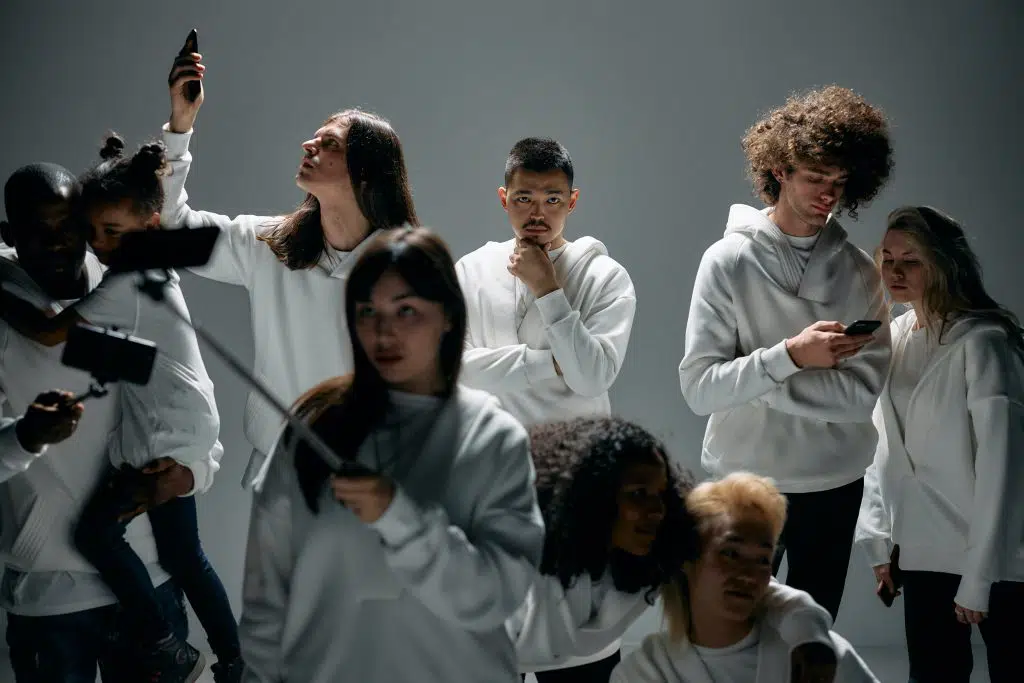
Alcohol and drug abuse can be devastating for not just you but your family too. Yet, the toll alcohol and drug abuse takes on your family and social life are not the only long-term effects of misuse. Other long-term effects of chronic substance abuse may include:
- Depression
- Increasing anxiety
- Chronic panic attacks
- Chronic paranoia
- Increased aggression
- Mood swings
- Hallucinations
- Difficulty to concentrating
- Difficulty learning
- Memory issues
- Heart problems
- Liver problems
- High blood pressure
- Kidney damage
- Respiratory issues
And so much more. Everyone reacts to drugs and alcohol differently. And depending on the type of drug you use, or if you have a co-occurring condition, the side effects you experience can vary drastically. And this doesn’t even include the short-term symptoms you are bound to experience too.
Whether you suffer emotionally, socially, physically, or mentally, drugs and alcohol take a toll on your mind, body, and spirit, which you may not immediately be aware of. Luckily, there is hope!
How to Stop Alcohol and Drug Abuse
So, you’ve heard enough. You have been recreationally using drugs for some time now, but you just aren’t feeling it anymore. You are worried about what it is doing to your mind and body. Or you are afraid of what challenges you are putting your family through.
You are not alone.
Out of the millions of people who suffer from drug and alcohol abuse, thousands upon thousands of these individuals feel the need to make a positive change in their lives. Whether they want to make this change for their own sake or for their family members and friends. They want to know how to stop using recreational drugs.
The only problem is that many individuals who struggle with using drugs for recreation are often unsure how to quit using drugs.
In Some Cases, You Can Stop Using Drugs on Your Own Time
But it is never recommended to stop using drugs or alcohol by quitting cold turkey.
Unfortunately for many individuals, this method of self-treatment is off-limits. Recreational drug use is a dangerous “hobby” that can quickly end in severe addictions or life-threatening circumstances.
Luckily, drug and alcohol rehab centers exist to help you or your loved one overcome any condition you struggle with!
Many drug users may feel a little strange when seeking out help from a rehab center.
But the safest, most successful way to heal from chronic drug misuse is by enrolling in a professional addiction treatment center. These facilities are equipped with technologies, resources, therapies, and programs specifically designed to help individuals overcome drug use on a broad spectrum.
Whether your condition is mild or severe, a drug rehab center like St. John’s Recovery Place (SJRP) can help you recover mentally, spiritually, and physically from the effects of chronic abuse. They allow you to return to everyday life as a happy, healthy, balanced member of society again.
Alcohol and Drug Addiction Treatment at St. John’s Recovery Place
Addiction recovery can be a long process. But, it is well worth the work you put into your program.
Typically rehab programs begin with medical detox and end with an outpatient or aftercare service. The best rehab facilities, like SJRP, will tailor their treatment approach to suit your needs precisely. They re-evaluate your condition as you progress through recovery to meet your growing and changing needs. Even so, not all treatment centers look exactly alike. But many of them use the same traditional treatment services. 
Rehab centers like SJRP work to support you with conventional and alternative therapeutic methods, including:
- Art therapy
- Music therapy
- Recreational (adventure) therapy
- Yoga
- Cognitive-behavioral therapy
- Coping skills training
- Group therapy
- Individual counseling
And more. If you would like to know more about the St. John’s treatment facility or its recovery programs, call us today at 1-833-397-3422. We want to be here to support you and your loved ones as you learn to move through life without drug or alcohol use.
And we will be here to cheer you on through every setback and triumph along the way.







Leave A Comment