


How Long Does Marijuana Stay in Your System?
One of the most commonly used substances in the United States, marijuana has made quite its name.
Still illegal in some States for recreational use or even medicinal purposes, other United States regions do not consider marijuana use a form of drug abuse. Either way, there are apparent differences between light and chronic users. Those who use marijuana frequently may fall into different substance abuse or mental disorders, and others may not. Yet, regardless of an individual’s use of marijuana, like other drugs, the substance carries the ability to stay in your system for varying amounts of time.
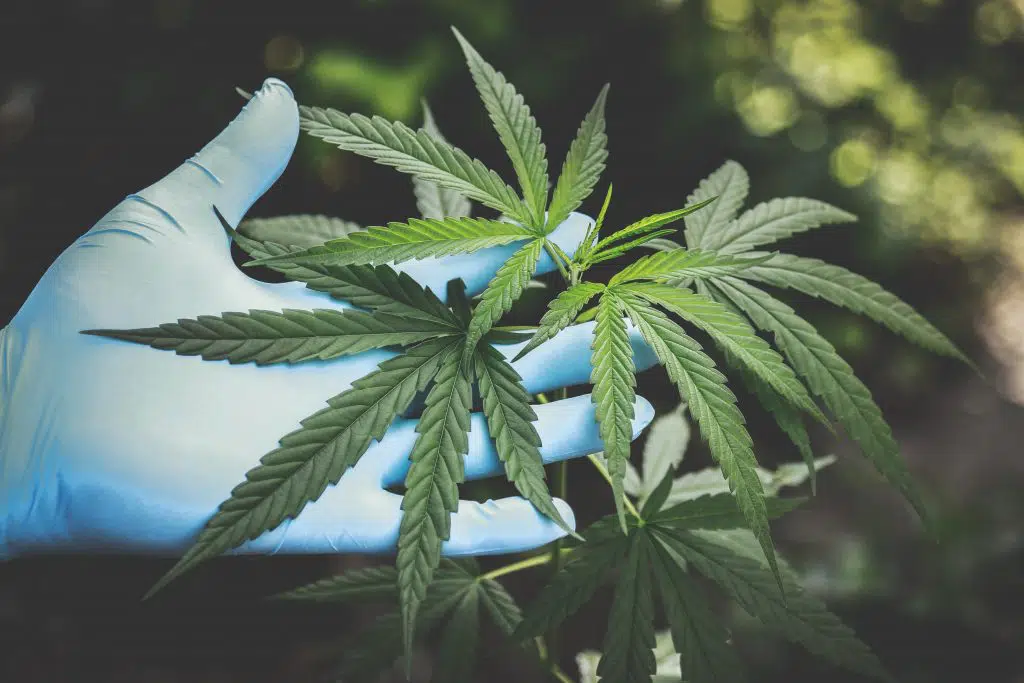
Depending on outside factors, like an individual’s body mass index, metabolism, genetics, and more, marijuana can stay in your system anywhere from one day to over a month after the drug’s last use. The frequency of use typically determines how long drug tests and medical professionals can detect marijuana in your system.
Many different drug tests detect marijuana. How long marijuana stays in your system depends on several individual factors, regardless of your reasons for marijuana use. You must know a professional treatment provider is ready and willing to help you seek recovery for each mental health disorder, substance abuse case, or dual diagnosis. Although several regions in the United States utilize marijuana regularly as a medical resource, the medication is still a psychoactive drug. The FDA has not given full medical approval.
In many cases where cannabis consumption is involved, drug screening may soon follow.
Marijuana, Known by Many Names for Various Uses
Marijuana, also commonly known as cannabis, weed, pot, or bud, is a drug derived from the dried flowers of the Cannabis Sativa plant.
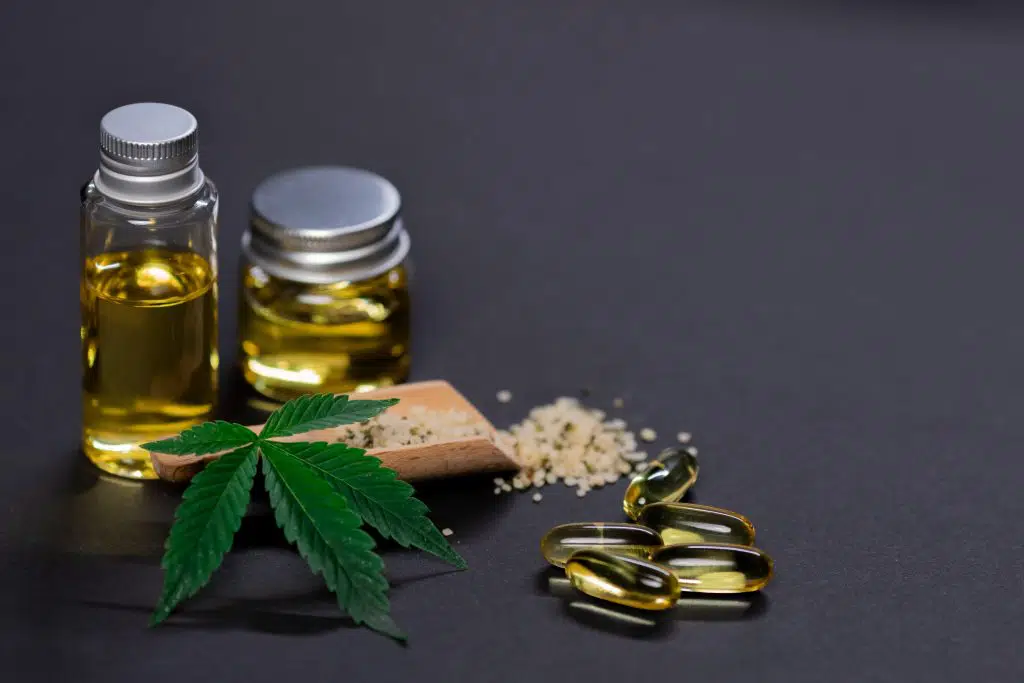
Well, known for being flexible, cannabis use spans many people. People most commonly smoke marijuana in either hand-rolled cigarettes or cigars called blunts. But, people can also smoke cannabis in pipes or bowls. And vaping weed is beginning to be a more popular form of use. In many cases, weed consumption also involves ingesting marijuana in various forms, such as cookies, brownies, or even candy-like resins.
The drug is traditionally pursued for its ability to instill mind-altering effects in people. Some individuals smoking marijuana seek to benefit from other chemical side effects the substance produces, like chronic pain relief. But, regardless of the associated products smoked cannabis has, many people still wonder how long can weed stay in their system before it fully dissolves.
Marijuana Metabolization
Everyone’s body is different. Therefore, marijuana is subject to metabolizing in each body a bit differently.
Yet, although weed consumption produces different cannabis metabolites, the individual’s bloodstream primarily breaks down all 500 chemical formations in the substance. By smoking or ingesting marijuana, individuals build their THC levels to alter their minds.
Where physical consumption occurs, THC levels can build and absorb at much slower rates, affecting an individual over a few hours. But when smoked, marijuana use can begin to produce effects within minutes. Once the drug enters the system, metabolization begins, moving the substance from fat cells and fatty tissues into the bloodstream and then into the brain. Once in the brain, weed, like other drugs, can take its course of effect, its scope of symptoms generally lasting up to three hours.
Once these symptoms begin to wear off, cannabis and THC metabolites can start to form, allowing the drug to pass through an individual’s system thoroughly.
Yet, even after weed’s scope of immediate effect ends, marijuana remains in your system anywhere from a few hours to days or even months after your last use.
Does Weed Have an Addictive Quality?
According to the Diagnostic and Statistical Manual of Mental Health Disorders, the American Psychiatric Association, American addiction centers sources, National Institute, and other mental health resources, marijuana is not an addictive chemical formulation. But, the drug can introduce people to problematic prescription drugs or harmful drug use patterns that can result in various types of mental health disorders or addictions.
Drug use disorders, drinking problems, and other forms of substance abuse are chronic mental health conditions.

According to the Mental Health Services Administration and other American addiction centers and drug resources, these conditions are legally diseases. They are characterized by internal and external adverse physical and mental health issues. People who struggle with a substance use disorder cannot control their drug and alcohol use impulses. Even so, it can be challenging to make a substance abuse assessment on an individual outside of therapeutic drug monitoring. Conducting a drug and alcohol review can take time and a skilled eye. But in many substance abuse cases, individuals and their families often do not have much time to spare.
For this reason, drug testing to confirm the use of marijuana and other substances exists. A drug test can help determine whether a person may be struggling with addiction and get them involved with the right interventions if need be. But for a drug test to work, a person must test positive or negative for substance use.
How Long Does it Take for Weed’s Effects to Settle In?
Like many other drugs, weed’s manifesting effects can vary drastically from one person to another. But, one of the best ways to determine whether a person is struggling with alcohol or drug abuse is to observe the range of side effects they are experiencing.
For some people, excessive bouts of self-isolation or moodiness can be a sign of drug abuse. But, for others, varying ranges of emotion can point to other internal or external issues. Luckily, cannabis use can be reasonably easy to spot in a person. When individuals smoke marijuana, they do not have to wait long for its effects to settle into place.
Generally, chronic and light users alike will begin to experience a high after smoking weed within minutes of use. Whereas, if the individual decides to ingest cannabis orally, it can take anywhere from thirty minutes to an hour for the drug’s symptoms to take effect.
Common Effects Associated with Cannabis Use
There are over 500 different chemicals found in weed. The chemical that causes individuals to experience mind-altering effects is the compound delta-tetrahydrocannabinol, also known as THC. When THC levels spike in the human system enough to absorb into the bloodstream, individual users can experience the effects of the chemical anywhere from a few minutes after use to an hour or more. It all depends on the strain of cannabis used, the size of the dose, the method the substance is consumed, and the individual’s metabolism.

Yet, even though there are many changes and variations that can occur with the use of weed, there are some symptoms of use that regularly occur, including:
- Bloodshot eyes
- Dry mouth
- Swollen eyes
- Hyper relaxation
- Stimulated appetite (often referred to as “munchies”)
- Loss of coordination
- Increased heart rate
- Problems problem-solving, memory, and thinking
- Distorted perceptions (including sight, sound, touch)
Individuals also often report feeling dopey or silly when high on weed. But regardless of how harmless marijuana consumption may seem, an individual can have an adverse reaction to the psychoactive chemical.
Some adverse effects of marijuana include:
- Nausea
- Vomiting
- Increased anxiety
- Mood swings
- Panic attacks
- Heightened paranoia
- Impaired memory
- Weight loss or gain
- Psychosis
- Delusions
American addiction centers and other medical research facilities are still conducting studies to determine what the long-term effects of marijuana use may entail. Although weed is not considered a naturally addictive substance, individuals can develop problematic use patterns while using the drug. A weed misuse issue, like other forms of substance use problems, can be diagnosed by a clinical professional. To seek treatment and professional medical advice, all you need to do is call your primary care doctor to get started.
Drug Tests for Detecting Weed in the Human Body
Urine Tests, Hair Tests, Blood Tests, Saliva Tests
Every drug test has different parameters for use. And each test has different sensitivities that can more or less accurately determine how long marijuana stays in your system.
Different methods of consumption can affect how long weed stays in your system. And various drug tests can detect marijuana use for varying amounts of time.
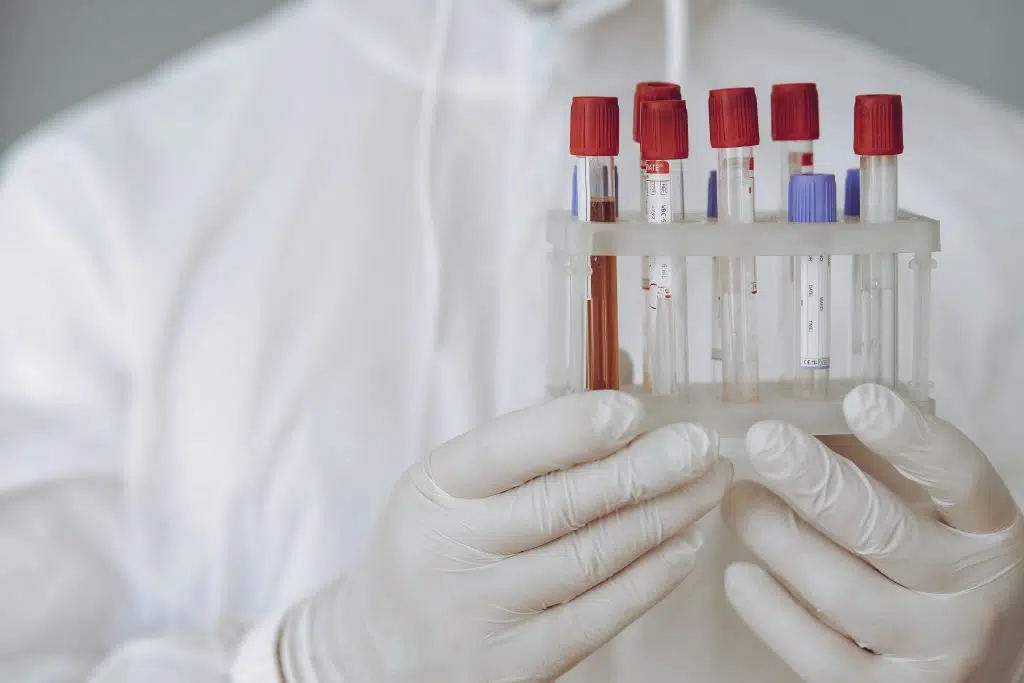
So, how long does marijuana stay in your system?
Generally, it takes weed anywhere from one day to a couple of months to run its way out of the human system. Depending on how heavily an individual’s body operates with the substance in its system. Immediate effects of use usually run their course a few hours after use. But each medical evaluation for use comes with different parameters on when an individual can test positive or negative for use.
Different Types of Marijuana Drug Test
Facilities like Redwood Toxicology Laboratory have developed several methods of testing an individual for positive or negative drug use. Different types of marijuana drug tests include:
- Urine Tests: A urine test does not look for current intoxication or impairment. A urine test looks for marijuana metabolites that stay in the body after use, helping determine recent drug use activities. Urine testing can produce positive results anywhere from one day to a week for infrequent users and seven to twenty-one days after use for more regular users.
- Blood Tests: A blood test can determine whether an individual is currently intoxicated by weed with a positive result. But it cannot tell how bad or intense the high is. Traces of cannabis use do not last long in the blood, though. Therefore, a blood test is only suitable for positive or negative results up to thirty-six hours after use.
- Hair Tests: Hair follicles are interesting to conduct testing on. However, a hair test can determine if a heavy user has frequently been smoking marijuana for up to three months. The method only works on individuals with extensive histories of use. These evaluations do not work as well for detecting infrequent use in individuals.
- Saliva Tests: Testing oral fluid, like a blood evaluation, can determine whether a person is currently intoxicated or not. For anywhere from thirty-six to forty-eight hours after use, a person can test positive for smoking weed.
Of all these evaluation methods, urine tests are probably amongst the most common forms of testing conducted. But although bodily fluids are suitable for determining positive tests, most urine tests can also fall prey to faulty testing practices, resulting in false positives.
False Positives in Cannabis Use Drug Testing
In years past, it was common for marijuana tests to present falsely positive results of use under varying circumstances. But, as weed’s use has grown more prevalent, testing sensitivities have been adjusted to ensure fewer false results and reporting cases occur.
Today, clinical professionals, treatment centers, and laboratories report there are no known substances that can mess with a weed test’s accuracy,
A false test is false, and positive ones are indeed positive. Still, suppose an individual is tested for marijuana use, and they turn a positive result. In that case, the medical professional will order a secondary test to ensure the evaluation is correct in its findings. The only time these tests seem to have a slightly tricky time interpreting accurate results is when they are trying to test for current intoxication in regular users. Sometimes, average users may test positive for blood or oral tests and not be currently intoxicated. As a result, more research and fine-tuning are being conducted to make marijuana testing as safe and accurate as possible.
External Components That May Affect Urine, Hair, Blood, and Saliva Tests
Cannabis is a drug extremely susceptible to outside factors. As one of the most widely used substances in the drug world, weed is known for its mind-altering capabilities and its ability to present itself so differently in varying situations.
Thousands of different marijuana strains exist for individuals to try. Thus, various outside components may affect how the drug manifests with each use.
Several outside factors can influence the timeline in which traces of cannabis remains detectable in the human body. Some of the most common factors that affect weed testing results and the drug’s range of effects include:
- Gender
- Metabolism
- Hydration
- Method of Use – Smoking, Vaping, Eating
- Use Frequency
- Body Mass Index
Weed is a highly customizable drug that affects everyone differently. Some people may experience more soothing effects and are less likely to produce positive use results with less frequent use. Other individuals may experience extreme symptoms with use and test positive months after their last dose of the drug has been consumed.
Like any other form of drug or alcohol, it takes time for weed to vacate an individual’s system entirely. But, with time, it is possible to rid your body of marijuana’s traces and stop using the drug altogether.
Can You Experience Withdrawal Symptoms When Stopping Weed Use?
Although uncommon, an individual can develop a high tolerance and even dependence on weed. Generally, weed dependencies pertain more to psychological than physical dependence. But individuals with heavy use histories can grow so accustomed to the effects of the psychoactive chemical that when they quit using the substance, their body enters into marijuana withdrawal.
Marijuana withdrawal is often not as dangerous as other forms of bodily drug termination. Still, it can have a range of uncomfortable symptoms and side effects. Usually, weed withdrawal symptoms include:
- Cannabis cravings
- Irritation
- Irritability
- Sleep disturbances
- Increased sensations of anxiety
- Increased inexplicable nervousness
- Headaches
- Fever
- Muscle aches
- Chills
- Sweating
- Shakiness
- Restlessness
- Feelings of depression or depressed moods
- Loss of appetite
- Slower reaction speeds
Alcohol or drug withdrawal is not a fun experience to work through. But unfortunately, if you are a chronic marijuana user, you may need to work through these uncomfortable side effects as you quit.
Almost every drug or drinking problem involves a withdrawal period in its treatment timeline.
Seeking Addiction Treatment at St. John’s Recovery Place
Luckily, with addiction treatment centers like St. John’s Recovery Place (SJRP), the rehab timeline accounts for the detoxification period. Clients are given ample time to work through those first few intense weeks or rehabilitation with as much grace possible.
Your life no longer needs to be run by the influence of marijuana. Stay with us at St. John’s Recovery Place, and you too can beat addiction. Treatment can prove challenging. But with a solid support system, great support groups, individual therapy sessions, and more, the rehabilitative process can be a time of immense growth for yourself, friends, or family members.

If you are seeking addiction treatment, please consider St. John’s Recovery Place as you look through American addiction centers across the country. Location is not always everything. But combining the beauty of sunny Florida with SJRP’s innovative and holistic focus on healing and your recovery journey can be immensely more profound and enjoyable.
If you want to learn more about SJRP or its treatment practices, you can visit us online or call us today at 1-833-397-3422. You’ll be glad you picked up the phone; call today!







Leave A Comment