


How Long Does Cocaine Stay in Your System?
A powerful stimulant derived from the coca plant, crack is usually known for its fast-acting euphoric symptoms and numbing anesthetic effects. Cocaine frequently makes headlines in alcohol and drug abuse headlines. Because although cocaine does have its uses in clinical chemistry. In more recent years, American addiction centers have noted a spike in the drug’s heavy abuse. Heavy crack use can create chronic users.
And chronic cocaine abuse can lead to drug addiction.
A substance abuse issue like addiction can lead an individual to develop various other physical and mental complications. These factors affect health and social circumstances, problems created at home, work, and even school.
Mental illness, co-occuring disorders, physical dependence, and more make cocaine addiction extremely dangerous.
If undetected and untreated, cocaine addiction can wreak havoc on a person’s life, resulting in even life-threatening circumstances and situations. The excellent news is laboratories, and addiction treatment networks across the country have developed techniques to battle cocaine dependence.
Recovery can happen for anyone.
Although cocaine addiction can uproot a person’s life, some tests can help determine how long cocaine stays in the body. Knowing how long cocaine stays in your system can help treatment providers and researchers alike determine better ways of treating crack dependence.
American Addiction Centers Facilitating Recovery Treatments
Every day, more and more Americans realize that taking cocaine poses a real danger to not only their lives and relationships. But their livelihoods and mental wellness too.
Treatment facilities like St. John’s Recovery Place (SJRP) work day and night to battle the severe psychological and physical effects of heavy cocaine use. They seek to help people regain control over their lives once more. How long cocaine remains in a person’s life and body, the more varied the drug’s effect field becomes.
So, how long does cocaine stay in your system? Is there a way to detect cocaine in the body even after its half-life runs out? And what happens when cocaine stays in your system?
A Drug Test for Cocaine Use
Cocaine is a fast-acting stimulant, typically inducing symptoms of use in its users within half an hour.
Similarly, cocaine’s half-life is also short-lived.
The body can eliminate half of the cocaine in a person’s system after only an hour post use. Yet, even though the drug’s half-life is short, cocaine’s metabolites typically stay detectable in your system for up to three days after the drug itself dissipates. But with specific drug tests and heavy cocaine users, crack itself can be traceable in your system for up to two weeks.
Testing positive or testing negative for cocaine use can help doctors, nurses, therapists, and individuals determine not only when or if a person engages in drug use. But, it can also help determine whether an individual may need help beating a cocaine addiction.
How long cocaine remains in your system depends not only on the dosage you take and your body mass. How long cocaine stays in your system can also depend on a heavy user. Heavy cocaine users have more prolonged trace effects of the drug that remains in their system. Different types of drug testing can detect cocaine metabolites and the drug itself for varying amounts of time. A medical professional can utilize any proven testing method they see fit to determine whether a client will test positive or test negative for cocaine use.
A health care provider, or even American addiction centers, need only to connect with the proper laboratory to get the job done.
How Medical Reviewers and Clinical Professionals Determine Drug Abuse, Need for Cocaine Addiction Treatment
There are several testing methods the mental health services administration, addiction treatment centers, and medical providers can utilize to detect cocaine use.
Of course, it is essential to remember that although these tests can determine the amount of time cocaine stays in your system. The amount of time cocaine stays in your body does not correlate directly to dependence. To have cocaine stay in your system, you can either use the drug heavily or have the medication administered to your body for professional medical use. What can determine your dependence on crack is not always directly related to how long does cocaine stay in your system. But can help determine how much of the drug is traceable in your body post use.
Although a urine test can generally determine nothing more than the time frame of crack use you have engaged. It can also help a medical professional begin to find out how to best help you overcome a cocaine addiction.
Drug Tests and Timelines for Helping Determine How Long Does Cocaine Stay In Your System
From a hair sample to a blood or saliva test, several tests can detect cocaine remanents in the human body, including:
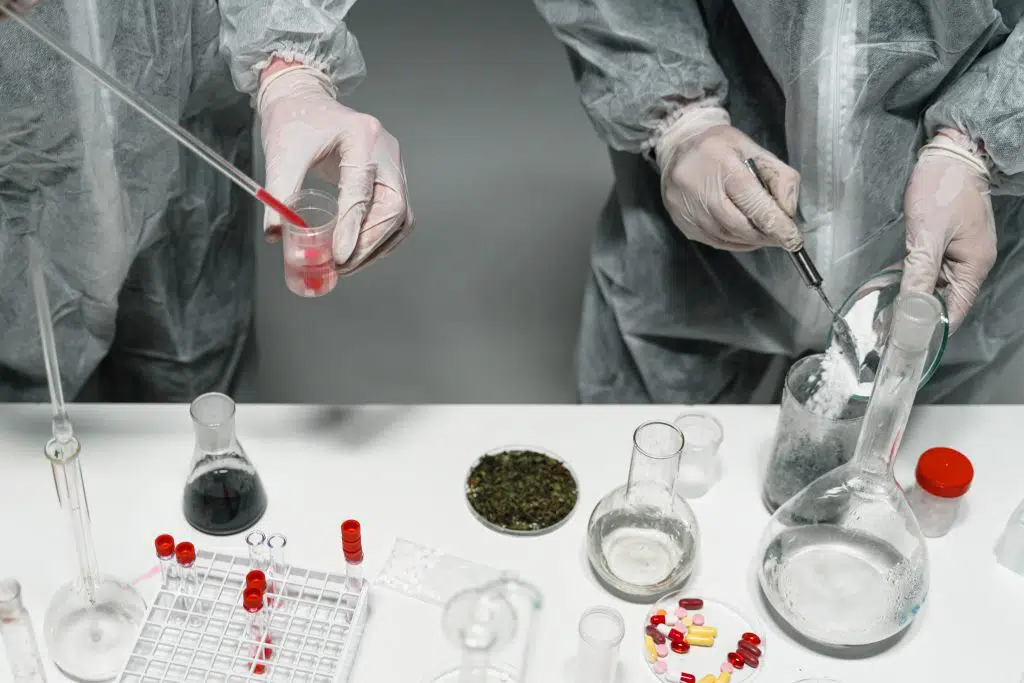
- Blood Test: Even. though blood tests are not the preferred form for detecting cocaine in the body, they can prove helpful. Blood tests can estimate cocaine use anywhere from 12 hours up to two days post use. Additionally, blood tests can find traces of cocaine or its metabolites in a person’s bloodstream after drug use; not just crack itself.
- Hair Test: Although not a popular or fast-acting method of drug testing. Cocaine hair tests are another drug test method some medical professionals use for abuse detection. Hair follicles can hold traces of cocaine for up to a month or more after use.
- Urine Test: Urine tests are probably one of the most popular ways of testing for both cocaine and other drugs. A urine concentration sample gathered from a client can test positive for cocaine use anywhere from two days to two weeks after use for heavy cocaine users.
- Saliva Test: Like urine tests, saliva tests may be one of the most popular forms of drug testing American addiction centers and medical facilities utilize. Even so, cocaine does not remain traceable in the salvia for long. Salvia tests can produce positive results anywhere from one to two days after crack use.
- Sweat Test: Sweat tests are probably the least popular way to determine how long cocaine has been in the body. But, the test can detect cocaine and its metabolites even up to a few weeks after use.
Drug tests can be beneficial in the treatment of cocaine addiction.
Yet, even though these tests can tell people how long cocaine stays in your system. These chemical assessments cannot determine what types of side effects or other factors may affect a person after short or long-term use of crack cocaine. The good news is if cocaine addiction is wreaking havoc on your life, it is possible to receive treatment.
Treatment centers like St. John’s Recovery Place are putting in the work day in and day out to help people reclaim their lives and live happy, healthy again.
The Simple Answer to How Long Does Cocaine Stay In Your System
We move on from the scope of positive results and false positives or what they mean. A cocaine drug test cannot determine the specific extent of your crack use. It can help decide whether or not you need a professional’s help or not.
Cocaine remains traceable in the body’s system anywhere from 12 hours to a month after the last dose is taken.
Repetitive testing of drug assessments with faster turnaround times can better determine the scope of cocaine misuse. They are constantly re-evaluating the patient at different intervals for use. More sensitive tests can determine how long ago a person took the drug and approximately how much the individual took due to the remnants of the substance in their body.
But generally, cocaine and its immediate side effects are viable in the body for only about an hour post the last dose taken.
How More Cocaine and Drinking Alcohol Do Not Mix
Cocaine metabolites are a substance formed when the body processes crack. Metabolites turn into different materials in the body, which generally do not affect how long cocaine symptoms endure.
According to drug testing sites like Redwood Toxicology Laboratory, a drug test can be performed for each of these metabolites to obtain a positive or negative result for cocaine use. Most cocaine metabolites are biologically inactive chemical material formations. Usually, these formations affect the human body no more than cocaine’s original scope of influence.
But, the metabolite called cocaethylene, which is created when a person taking cocaine is also drinking alcohol, can have different effects.
A life-threatening effect of alcohol and cocaine abuse, the metabolite cocaethylene produces its own, longer-lasting euphoric effects. People who abuse alcohol and cocaine are at increased risk for cultivating cocaethylene in their bodies. As a result, they are also at risk for potentially experiencing a life-threat series of intense side effects.
Unfortunately, there is no way to know if someone has cultivated the metabolite cocaethylene in their body without testing.
How People Abuse Cocaine
Despite crack cocaine’s known toxicity, hundreds, if not thousands of people in the United States engage in its use every day. There are several ways for people to engage in the abuse of cocaine. The most common methods for crack use include:

- Snorting cocaine
- Smoking cocaine
- Injecting cocaine
- Ingesting cocaine
Generally, individuals who choose to illicitly administer crack into their system restore to snorting or smoking cocaine. The method does not affect how long cocaine stays in the body but can produce a more rapid effect.
Snorting the drug allows the substance to absorb into the bloodstream through nasal tissue. Rubbing the drug along the gum line (oral use) has a similar effect as snorting. While dissolving cocaine into the water and injecting the substance into the bloodstream can produce even more immediate, high-intensity results. Smoking crack exposes the tissue of the lungs to the drug, and the substance can create a more rapid and intense series of side effects like an injection.
How Long Cocaine’s Immediate Effects Last
Cocaine’s immediate euphoric effects can onset within minutes of use, sometimes taking about half an hour to settle in fully. At thirty minutes, cocaine’s direct effects begin to hit their peak intensities—the lingering effects tapering off over the next hour or two.
Of course, the amount of cocaine a person takes and the method in which they take the drug can affect how long cocaine highs last.
Generally, though, the immediate effect range is thirty minutes to two hours where the high runs its course.
Short-Term Cocaine Use Effects
Even though euphoria is one of cocaine’s most well-known side effects, it is not the only immediate symptom that the drug may manifest in users. In smaller doses, cocaine’s short-term effects can include:
- Excessive energy
- Increased talkativeness
- Increased mental alertness
- Hypersensitivity to light
- Sensitivity to sound
- Hypersensitivity to sounds or loud noises
- Euphoria
- Decreased need for sleep
- Loss of appetite
For most cocaine users, crack can inspire frantic amounts of energy to be released. But others who use cocaine may experience other factors and symptoms of use, including:
- Dilated pupils
- Vertigo
- Twitching muscles
- Increased blood pressure
- Increased body temperature
- Rapid heart rate
- Constricted blood vessels
- Erratic behavior
- Restlessness
- Heightened anxiety
- Panic attacks
- Irritability
Many rapid side effects can occur with the use of cocaine. Staying abuse can result in severe, sometimes life-threatening medical conditions to occur.
Long-Term Cocaine Abuse Effects
Long-term crack use can result in several severe mental and physical health conditions. The long-term effects of cocaine include:
- Increased risk of overdose
- Development of anxiety disorders
- Recurring panic attacks
- Reduced sensitivity to natural happiness reinforcers
- Heightened sensitivity to natural stressors
- Mood disorders
- Extensive paranoia
- Full-blown psychosis
- Visual and auditory hallucinations
- Risk of experiencing a stroke
- Higher risk of falling into a coma
- Brain bleeds
- Internal hemorrhaging
- Hgher risk for seizuerus and convulsions
Different methods of cocaine use can also result in their specific adverse effects where the drug targets the primary organ responsible for metabolization in its use. Long-term side effects of smoking crack can result in:
- Extensive lung damage
- Chronic chest pain
- Problems breathing
The long-lasting effects of snorting cocaine stay with respiratory issues, including:
- Chronic nosebleeds
- Excessive hoarseness
- Problems swallowing
- Chronic runny nose
- Inflammed nasal passages
- Worsening asthma
Long-lasting effects of cocaine-associated with the injection of crack include:
- Higher risk for contracting HIV
- Higher risk for contracting Hepatitis C
- Developing muscle and movement disorders
- Higher risk for developing Parkinson’s disease
Other long-term side effects of crack use can include memory problems, permanent damage to cerebral blood vessels, dopamine burnout, ulcers, and more.
Crack addiction is a severe disease that can result in many adverse, life-threatening consequences. The good news is, even with extensive cocaine disorders, these types of addictions are still treatable.
Cocaine Addiction Treatment in American Addiction Centers, Location Not an Issue
Rehab Available for All Drug and Alcohol Abuse Cases
No matter who you are or what your relationship with cocaine may be, American addiction treatment facilities like St. John’s Recovery Place are here to help you recover.
Cocaine addiction healing is possible, and all you need is the right rehabilitation center for you.
And finding the right cocaine, dual diagnoses, alcohol, or substance addiction treatment center that suit your needs is not as difficult as you may think. To find the right rehab center for you, you can contact your insurance provider to ask for a list of in-network recovery services. Otherwise, you can perform internet searches ask churches or even friends if they know of any recovery centers that may help.
Addiction Treatment at St. John’s Recovery Place
St. John’s Recovery Place, located in Crescent City, FL, is a drug and alcohol rehab center dedicated to helping people heal in mind, body, and spirit.

Innovative and compassionate, SJRP utilizes alternative, complementary, and traditional rehabilitative practices to help their clients heal. From the very start of medical detoxification to the end of rehab. Individuals are settling into their long-term support groups or sober homes. SJRP has the heart to help all people regain their place in the world, happy, healthy, and ready to live drug and alcohol-free lives again.
With the right help, healing can be yours too.
If you want to know more about SJRP, its services, insurance parameters, or more, you can call us today at 1-833-397-3422 or visit us online. Don’t wait another minute to start your healing journey! Begin your recovery today by calling SJRP to learn more about our treatment practices.







Leave A Comment