


What No One Tells You About Residential Rehab
Have you committed to seeking treatment for your substance use? Maybe you’re considering a residential treatment center, but wondering how it may compare to an outpatient program. A residential treatment program can be expensive, so is it really worth it? What else should you know before making your decision?

What no one tells you about residential rehab.
How Do Residential and Outpatient Rehab Programs Compare?
When deciding on the next step to addiction treatment, you may be wondering how residential and outpatient rehab programs compare.
You likely know that residential substance abuse programs require you to live onsite for the duration of your treatment. In contrast, outpatient programs are completed during the day or evening while you remain living at home. But what else?
The thing is, they are actually very similar. You’ll receive one-on-one counseling and group therapy sessions in both residential and outpatient rehab. The difference, besides the obvious of where you’ll reside, is that inpatient is much more intense and focused.
Advantages of residential drug rehab include:
- Constant access to medical care
- Highly structured environment
- Safe space to avoid triggers and relapse
- Better opportunity to build stronger relationships and community amongst your peers

Residential addiction treatment can be the turning point for individuals suffering from chronic drug use.
Advantages of an outpatient treatment center include:
- You get to remain in your home with your family
- It’s much more affordable
- You can continue to work or attend school, scheduling your treatment sessions around your obligations.
9 Truths of Residential Drug Rehab
So now you’ve confirmed that a residential alcohol rehab center is right for you. You’ve done some research online about what to expect, but let’s talk about a few things that no one really tells you about residential rehabs.
-
Our success rates may be subject to interpretation.
Residential addiction treatment centers often make claims such as, “our program has an 85% success rate.” But do you know if that rate is referring to how many people have simply completed their recovery program? Or how many are still sober after 3 months? 1 year? 5 years?
Simply finishing addiction treatment isn’t a good enough gauge of the quality of a program. A rehab program needs to do more than just treat an addiction superficially. It needs to arm the person with the tools to continue maintaining their recovery in the future.
Longer-term sobriety success rates are more accurate representations, but those are not the ones often advertised. This is not necessarily to be misleading, rather, it’s most often due to a lack of resources for researching that subset of the population.

Choosing a drug rehab can be overwhelming. Look for treatment providers with comprehensive addiction treatment programs and mental health services.
-
A pricier program is not necessarily a better one.
Luxury rehabs that seem more like vacation resorts often include additional amenities, supplementary services, and are set in unique locales. But with the extras also comes a heftier price tag. However, a more expensive program doesn’t necessarily mean that the basic treatments and therapies are any different than at standard residential rehabs.
Evidence-based practices are held to the same standards whether they are practiced in a “luxury” program or not. So if you don’t attend a luxury drug and alcohol rehab center, you’ll still get the same core treatment services elsewhere.
-
Some of our therapies are not necessarily scientific.
Nowadays, more and more residential addiction rehabs are getting on board with complementary and alternative medicine.
This field incorporates experiential therapies with standard evidence-based practices to create a well-rounded approach to substance use treatment. Therapies can include acupuncture, yoga, Reiki, music therapy, equine therapy, etc.
Though there are plenty of studies showing various benefits to most of these therapies, there isn’t necessarily a large scientific base of evidence to prove their efficacy.

Holistic treatment practices are becoming more widespread in the rehab world.
-
You’re actually NOT just a dollar sign.
You may have heard stories of residential drug rehab centers that partake in questionable practices with patient brokers.
Sometimes these brokers participate in kickback schemes in which they receive payment for referring patients to specific treatment centers. Unfortunately, these facilities are often not quality addiction treatment centers.
Other times, they offer drugs and money to addicts to get them in and out of rehab simply to collect insurance money. In places like Florida, this problem was so rampant that it gained an official name – “the Florida shuffle.” Though there are still some bad apples in the rehab industry, many of these ruthless rehab operators have since been shut down.
But here’s the thing, there are plenty of GOOD addiction treatment centers too. Ones that genuinely care about you and want to help you get on the path to recovery. These treatment providers get a bad rap simply by association.
Though you should still do your research and make sure you’re comfortable with the drug rehab you choose, don’t be skeptical that they’re all just out to get your money because it’s not the case.
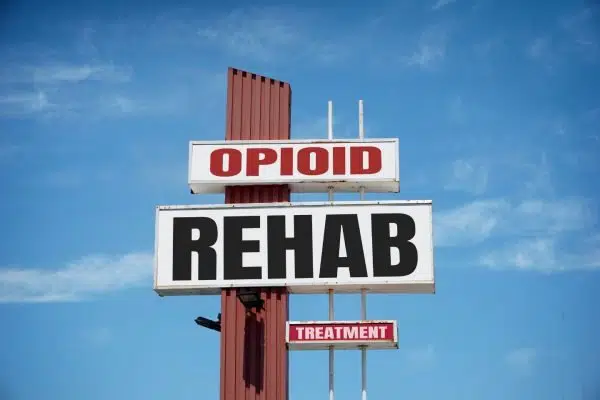
The opioid crisis exacerbated the unethical behavior of drug rehabs, causing drug addicts to simply be viewed as dollar signs.
-
Rehab doesn’t end at 28 days.
Many people equate residential alcohol rehab centers with a 28-day treatment program. Once you’ve completed your treatment, you’re done and can move on with life.
Sorry to break it to you, but that’s not at all how it works.
Once you’re done with your treatment, you’ll move on to outpatient therapies which can last months, or even years, depending on your addiction and your individual needs.
Then once you’re done with that, you’re still not done. Because recovery is a lifelong journey that requires maintenance and attention to avoid future relapse.
-
You will never be cured of your addiction.
Unfortunately, addiction is not a curable disease. It is a chronic disease such as heart disease or diabetes. It even has the same rate of relapse as traditional medical conditions.
Remember to be easy on yourself. Relapse does not mean failure. It means that your treatment simply needs to be adjusted or restarted.
Addiction can be treated and managed, though. And with proper treatment and management, an individual can certainly live a positive, engaging life.
-
Prepare to be vulnerable.
You will be scared. You will cry. You will be ashamed. You will deal with traumas and triggers. You might cry some more. You will have to be completely open and honest and that can be a really scary place.
But when you allow yourself to be vulnerable, you open yourself up to change. And that is exactly what you’re after.

Drug rehab isn’t easy, but you will come out so much stronger when you’re done.
-
You might get bored.
When you’re an addict you’re typically living your life one day to the next, experiencing the highest of highs and the lowest of lows.
During recovery, your days are very much structured and routine. Soon enough, you find a calm balance in your days. You’re no longer consumed by chasing that high, and instead, you’re content.
But contentedness, well, it can sometimes feel a little boring. On the bright side, once you’re living your new sober life you’ll realize there are plenty of exciting activities available for you to enjoy, and they don’t come with the devastating lows of addiction.
-
You might miss it.
The thing about residential alcohol rehab is that it becomes reliable and easy. Easy in that, you don’t have to work and face the outside world, you have meals made for you, and people to talk to that thoroughly understand you.
Once you leave, back into the real world, it can be a little scary. You might feel overwhelmed and afraid. You might find yourself missing the familiarity and support of the community you found at your rehab.

Did you know most insurance plans cover at least a portion of addiction treatment services?
Addiction Treatment at SJRP Treatment Centers
Whether you’re struggling with drug abuse or alcohol addiction, the substance abuse treatment programs at St. John’s Recovery Place can help you turn your life around. Our behavioral health facility not only treats substance use disorders but is also uniquely qualified to treat co-occurring mental illnesses.
We accept most health insurance plans, and with the recent passing of the Affordable Care Act, it’s likely your insurance company will cover most or all of your residential addiction treatment. Choosing treatment facilities that are in-network with your insurance provider will give you access to the most benefits and least out-of-pocket costs. SJRP works diligently to be in-network with numerous insurance providers.
Stop suffering from substance use disorder. Affordable treatment for alcohol and drug addiction is available at SJRP. Call 833-397-3422 today.

From medical detox to sober living homes, SJRP is there to help you overcome your substance abuse every step of the way!
REFERENCE:
Substance Abuse and Mental Health Services Administration. Why Addiction is a Disease and Why it’s Important. Accessed: March 24, 2022.







Leave A Comment