


There are a variety of factors that influence how long drugs like speed stay in your system and how long they’ll be detected on a drug test. Variables such as metabolism, body mass, specific drug, and type of test will result in different timeframes.
What is Speed?
Speed is a stimulant drug, also known as an “upper,” that affects the central nervous system. It is misused to feel more alert and focused, to get high, or as an appetite suppressant. “Speed” is actually the street name for both amphetamines and methamphetamines. It can be highly potent and very addictive.
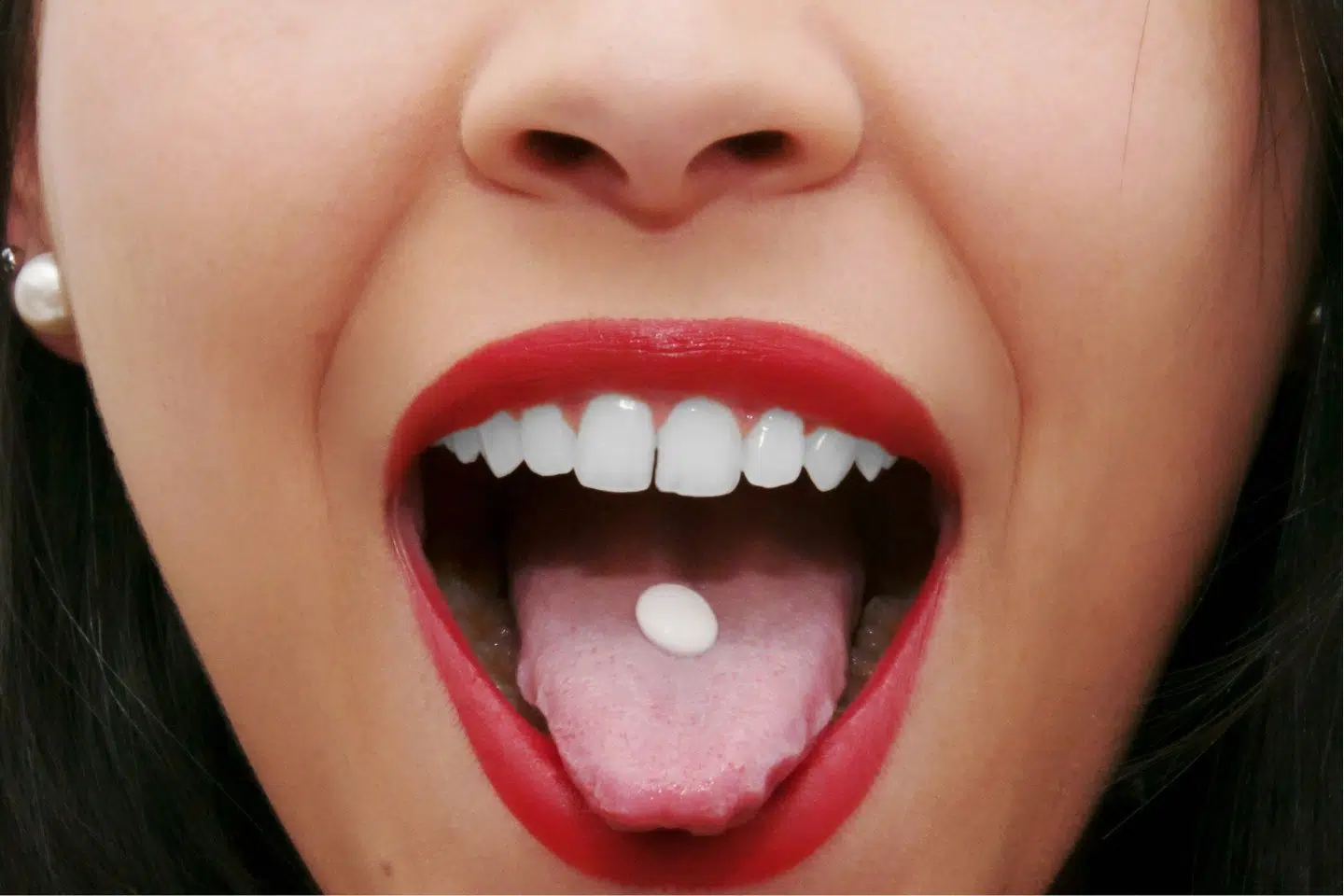
Speed generates an overproduction of dopamine in the brain. Long-term use results in physical changes in brain function and eventually destroys those areas in the brain. Unfortunately, it also strains multiple body systems and can cause stroke, heart attack, and permanent damage to the lungs, heart, kidneys, and liver.
Amphetamine vs. Methamphetamine
Speed can refer to either amphetamines or methamphetamines.
Amphetamines are central nervous system stimulants prescribed by a doctor to treat Attention Deficit Hyperactivity Disorder (ADHD) and narcolepsy.
Methamphetamine is similar to amphetamines in chemical structure but is far more potent and has more severe side effects. Though it is most often made illegally for recreational use, Desoxyn is the only legally prescribed methamphetamine drug. Its use is very limited for treating cases of ADHD and obesity.
Prescription Drugs Used
Prescription medications such as Adderall are most commonly abused by college students to increase academic or sports performance. In these instances, the drugs are often just swallowed in their pill form.

Amphetamine substance abuse is common in college students to increase academic performance.
When used recreationally, pills are crushed and can be snorted or mixed with liquid to be injected, creating a quicker and more intense high. Meth is used by inhaling, smoking, swallowing, snorting or injecting.
Prescriptions used as speed include:
- Adderall / Adderall XR
- DextroStat
- Dexedrine
- Dexosyn
- Concerta
- Focalin
- Metadate
- Methylin
- Ritalin
Street Names for Speed
The term “speed” is in and of itself a street name. Other terms for amphetamines and methamphetamines you may hear, include:
- Beans
- Beanies
- Black Beauties
- Christmas Trees
- Dexies
- Eye-openers
- Pep pills
- Wake-ups
- Bennies
- Ice
- Uppers
- Meth
- Shards
- Bikers Coffee
- Stove Top
- Tweak
- Yaba
- Trash
- Chalk
- Crystal
- Crank
- Shabu
How Long Does Speed Stay in Your System?
Many determinants influence how long amphetamines stay in your system after the last dose. Factors such as the type of drug, your metabolism rate, and your body mass will all influence how quickly the drug is felt and how long it remains active in your body.
If you’re wondering how long amphetamines stay detectable on a drug test, it will primarily depend on the type of test administered and details of the drug use, such as which one(s) were used, how they were consumed and how often, but is also impacted by your own body and health.
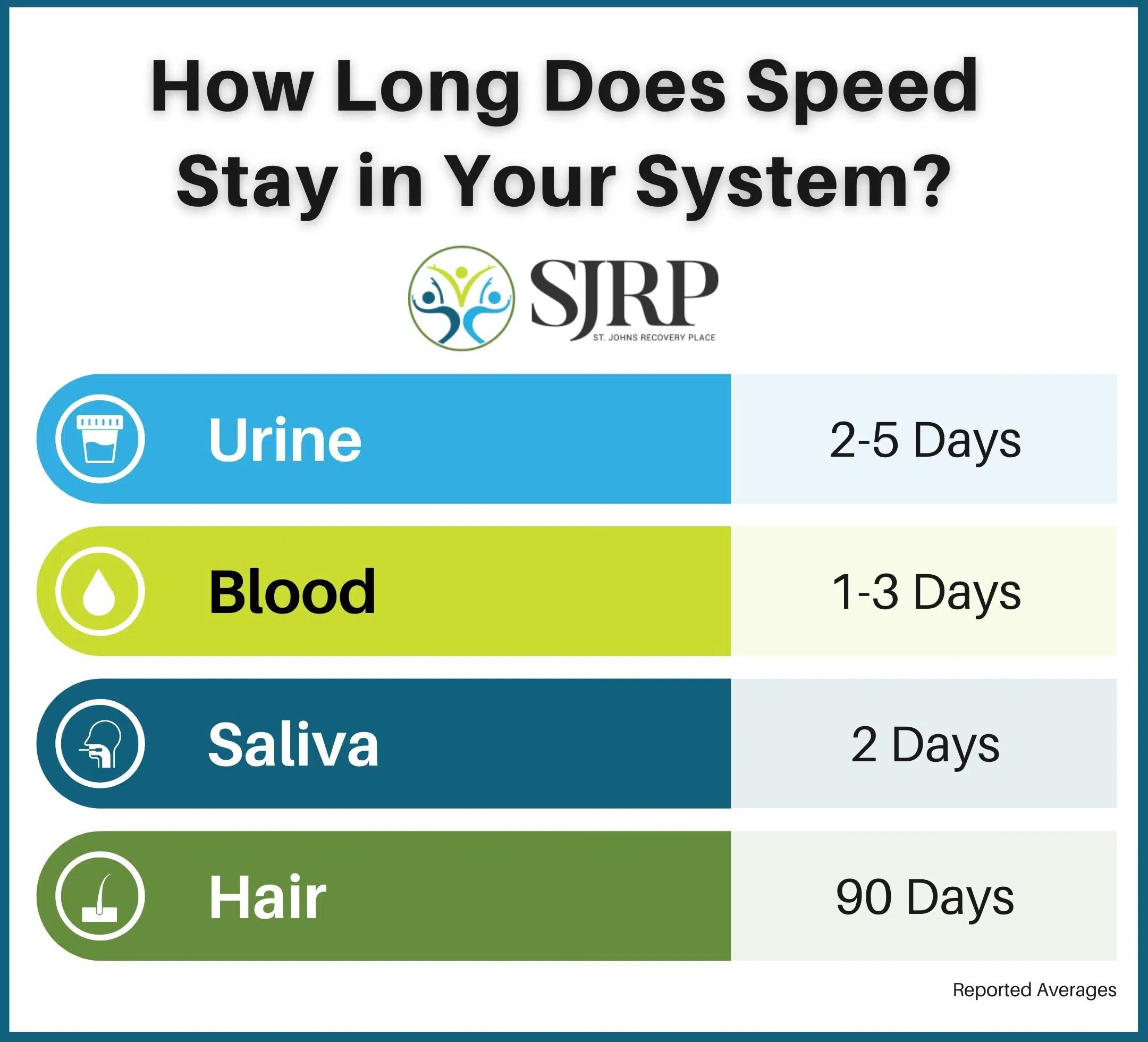
Chart showing how long speed can be detected in a person’s system in various tests.
Due to the variety of influencing elements, the information above is not definitive and is based on averages. Furthermore, studies have shown that long-term amphetamine use can show positive results on a drug test for well beyond the timeframes listed.
Testing Methods
The most common method of testing for drugs, including speed, is with a urine test. Drug testing is commonly used for employment, as terms of condition for probation, or for criminal or accident investigations and court cases.
There are five testing methods for speed, not including meconium testing, which is limited to detecting maternal drug abuse or infant exposure. These methods include:
Urine
Urine testing is the most common and most well-researched drug testing method. Urine tests are readily available and can show high concentrations of both parent drugs as well as metabolites in a person’s urine. However, these tests can easily be cheated and may require supervision of collection, resulting in “shy bladder” syndrome and the inability to collect a sample. You can produce positive urine tests within 4-6 hours and for up to 2-5 days after the last use depending on urine pH and other factors.

Amphetamines stay in your urine for up to 5 days.
Oral Fluid
Oral fluid testing, also known as a saliva test, is non-invasive and easy to collect. Saliva tests require a much lower screening level than urine and have a reduced risk of faking results as collection is directly observed. On average, saliva tests can detect amphetamines within a few minutes up to 2 days after the last use.
Hair
Hair tests are the most dependable for detecting prior use and have the longest window of detection because drugs travel from the blood stream directly into hair follicles. Though hair tests are easy to collect, they can be costly, and there are not as many laboratories that perform these tests. In addition, it can be difficult to interpret the results, which may also be biased with hair color or contaminated by environmental factors or cosmetic hair treatment. Hair tests can detect speed up to three months after use.
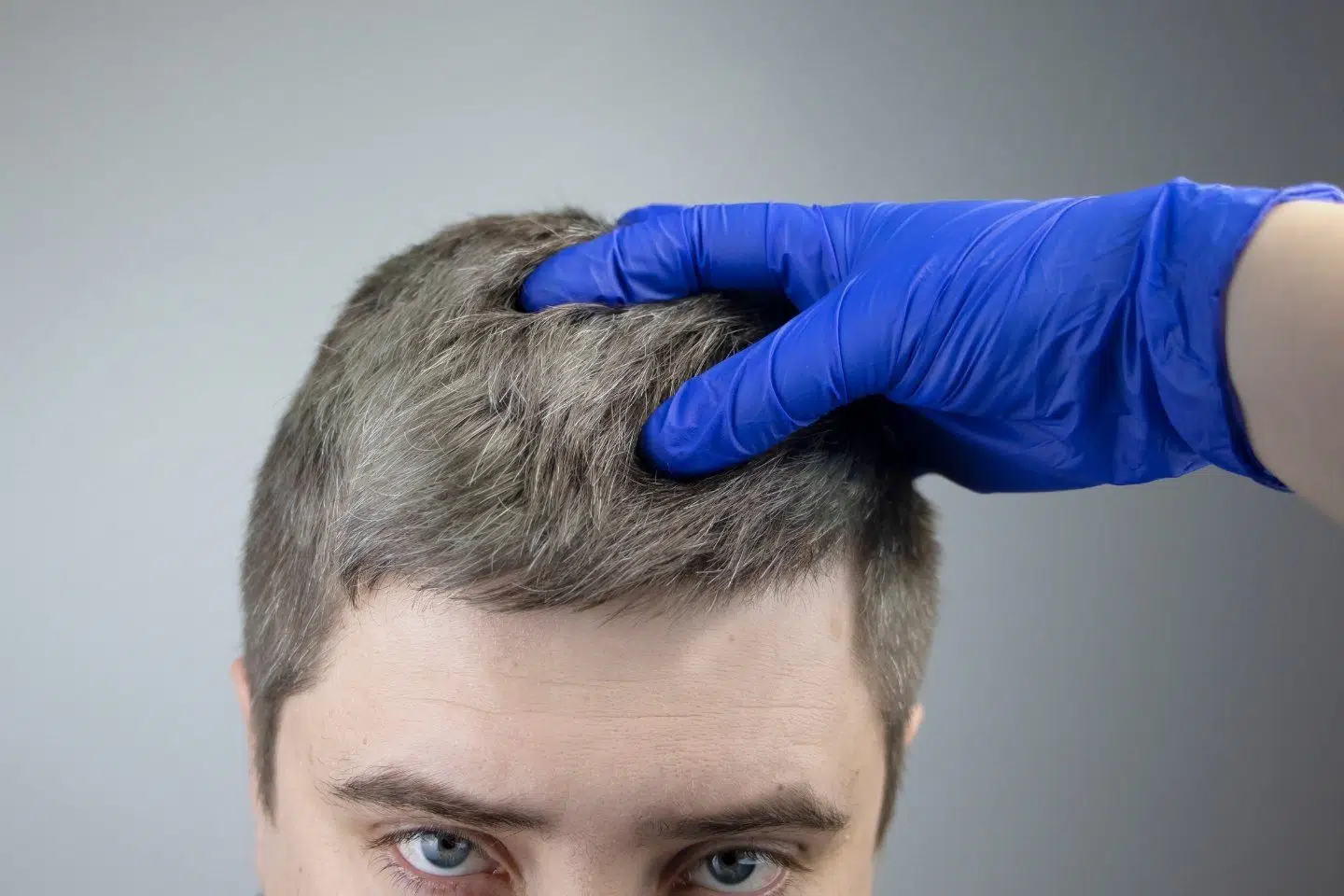
Amphetamines stay in hair samples up to 3 months!
Blood
Though blood tests can detect speed within minutes of use, they are generally only utilized in emergency situations as they have a very short detection window, are invasive, and require a trained health professional to administer. On average, lab tests can detect speed in blood for 1-3 days.
Perspiration
Perspiration tests allow for a quick detection using a sweat swipe or longer testing with a sweat patch. The test is non-invasive, requires little training, and is more economical than urine testing. However, the patch could unintentionally come off. Likewise, there hasn’t been enough research for variables. Sweat swipes detect same day use (within 24 hours) while patches detect use within 7-14 days.
False Positive Tests
If you are taking prescription or over-the-counter medications, it may result in a false-positive result on a drug screen, particularly in urine tests. Always disclose this information to the clinician administering your test to avoid any issues with false-positives.
You might test positive for amphetamines with some over-the-counter or prescription medications.
The following drugs could result in false-positives:
- Antihistamines
- Nasal inhalers
- Cold medicines that contain pseudoephedrine and/or promethazine
- Ephedra-containing products
- Antidepressants such as Wellbutrin, Prozac, Emsam, or trazodone
- Metformin (for type 2 diabetes)
- Ritalin (for ADHD)
- Trandate (for high blood pressure)
Factors That Affect How Long Speed Stays in Your System
Many factors affect how long amphetamines, or any other drugs for that matter, will remain in your system. How often you use stimulant drugs, your body mass, metabolism rate, and even how well you hydrate can impact not only how quickly you feel the effects of speed but also how long it will remain detectable in your body. Not to mention, the specific drug you’re using will affect the rate as different amphetamines stay in your system for different amounts of time.
Factors that affect how long amphetamines stay in your system include:
- Height
- Weight
- Age
- Ethnicity
- Gender
- Metabolism rate
- Body mass index
- Method in which the substance was taken
- Quality of the drug
- Amount taken
- History of substance use (how much and how often it is used)
- Dehydration
- Health of your liver and kidneys, which impacts drug elimination
- Other drugs in your body, including prescribed medications or alcohol

From substance quality to a person’s metabolism rate, many factors influence the half life of a drug.
Some of these determinants may only make minor impacts, but others can be more drastic. Meaning, two individuals using the same type and amount of speed could still have entirely different results on a drug test based on their personal circumstances.
Side Effects
People misusing amphetamines typically do so to increase energy, awareness, and focus, as well as for the euphoric “rush.” However, the side effects of abusing speed are many and can be very serious. Side effects of both prescription and illicit drugs can begin within the hour.
Short term effects of taking amphetamines:
- Decreased appetite
- Rapid and irregular heart rate
- Increased breathing
- Heightened body temperature
- Dry mouth
- Nausea
- High blood pressure
- Aggression
- Headaches
- Teeth grinding and jaw clenching
Long term effects include:
- Addiction
- Physical changes to brain structure and function
- Decreased motor skills
- Increased distractibility
- Memory loss
- Aggressive and violent behavior
- Severe dental problems
- Skin sores (as a result of itching and scratching)
- Weight loss
- Mood swings
- Psychosis, paranoia, hallucinations, and delusions

Medical detox can ease uncomfortable withdrawal symptoms of speed.
Can You Overdose on Speed?
Yes, it is possible to overdose on speed. In fact, according to a recent study, methamphetamine overdose deaths have risen significantly over the past decade. From 2011 to 2018, the number of deaths increased five-fold!
Common signs of a possible speed overdose include:
- Losing Consciousness
- Seizure
- Severe Headache
- Chest Pain
- Breathing Difficulties
- Confusion, Paranoia, or Agitation
- Snoring or Gurgling, which can be a sign of breathing difficulties
An amphetamine overdose occurs when taking too much of the drug, or as a severe reaction that results in death, such as:
- Stroke
- Heart Attack
- Liver, Kidney, or Respiratory Failure
Treatment for Drug Abuse and Addiction
If you or a loved one is struggling with amphetamine abuse and addiction, there are options to get help. It’s not too late, but don’t wait another day!
St. John’s Recovery Place offers comprehensive, holistic care for individuals suffering from behavioral health conditions like amphetamine drug addiction. In addition to offering a full range of treatment services for substance use disorder, those with a co-occurring mental health disorder are able to receive integrative care from our licensed medical professionals who specialize in dual diagnosis.
Our addiction treatment options include medical detox, behavioral therapies, complementary recovery therapies, medication-assisted treatment, inpatient and outpatient rehab, and aftercare services.
Call our office today at 833-397-3422 and speak with a qualified admissions representative who can help get you started on your journey to recovery.

Amphetamine addiction treatment is possible at SJRP!
The content for this article has been reviewed by health professionals but should not be used in place of professional medical advice from your physician or other qualified healthcare provider.
SOURCES:
- Mayo Clinic Laboratories. Amphetamine-Type Stimulants (ATS). (2021, September 18.)
- HealthPartners. Interpretation of Opiate Urine Drug Screens. (2021, September 18.)
- U.S. Food and Drug Administration. Drugs of Abuse Home Use Test. (2018, September 27.) (2021, September 18.)
- SAMHSA. Clinical Drug Testing in Primary Care. (2012.) (2021, September 18.)
- Hadland, S. E., & Levy, S. OBJECTIVE TESTING – URINE AND OTHER DRUG TESTS (2016.) (2021, September 18.)
- Lapcorp. Oral Fluid Drug Testing. (2021, September 18.)
- Redwood Toxicology Laboratory. Laboratory Testing Reference Guide. (2014.) (2021, September 18.)
- DEA. Amphetamines. (2021, September 19.)
- Drugs.com Speed (methamphetamine). (2021, September 19.)
- WebMD. https://www.webmd.com/mental-health/addiction/news/20010301/this-is-your-brain-on-speed (2001.) (2021, September 19.)
- Price, McKayla. Amphetamines vs. Methamphetamine: What’s the Difference?. (2020, December 12.) (2021, September 19.)
- National Institute on Drug Abuse. Methamphetamine overdose deaths rise sharply nationwide. (2021, January 21.) (2021, September 18.)
- Department of Justice/DEA. https://www.dea.gov/sites/default/files/2020-06/Methamphetamine-2020_0.pdf. (2020, April.) (2021, September 18.)







Leave A Comment