



Covid-19 Causing Surge in Alcohol Addiction & Relapse Rates
As Covid-19 cases rise, public health measures to protect the general population and high-risk US adults intensify. Mental health professionals have begun to notice alarming trends.

Covid-19 Pandemic Putting Patients Diagnosed with Substance Abuse and Other Mental Health Concerns at Higher Risk
Since the Covid-19 pandemic began, everyone from college students to the elderly began to practice measures like physical distancing and engaging in virtual meetings to limit the spread of infection of the acute respiratory distress syndrome. However, with Covid-19, safety measures have continued past their original expectancy length with their progression and social support. Some health care providers have begun to note rising overdose deaths in drug abuse cases.
Before the Covid-19 pandemic, any national center specializing in substance use treatment and addictive disorders could report that opioids claimed the lives of roughly 50,000 individuals each year. Today, treatment providers recently reported opioid epidemic numbers have potentially risen above 100,000. There was a 50% increase since the last study conducted by treatment providers on drug abuse and mental illness.
Nevertheless, more research must be done to understand Covid-19. And other factors that affect mental illnesses and substance abuse before plans to combat these adverse symptoms can be made.
Alcohol Addiction on the Rise
While enjoying the occasional alcoholic beverage is not necessarily problematic, the overuse of alcohol can cause various health issues and mental problems. People typically drink to celebrate special occasions. Nearly 80% of the overall population is estimated to enjoy an adult beverage at least once in their lifetime. Yet, some individuals drink to cope with their surroundings. Frequent alcohol consumption to cope with reality may result in alcohol addiction.
And situations like Covid-19, stress, unemployment, and social distancing in 2020 may be causing more people to drink frequently, a sign that alcohol addiction could rise.
St. John’s Recovery Place (SJRP) is now working overtime to educate the public on alcohol addiction and its symptoms. And when someone may need to seek addiction treatment.
Rising Stress a Major Contributor to Mounting Addiction Levels in the Covid-19 Timeline
All of this came from the high increase in the general public’s stress levels and increased alcohol consumption due to the Covid-19 pandemic. It’s a terrible recurring cycle of isolation, lack of structural normalcy, and trauma. Drugs, alcohol, and coronavirus are dangerous and deadly pairings, with a high-risk factor only creating more problems. As more people turn to alcohol and drug use to alleviate anxiety or numb feelings of hopelessness or boredom, the risk of dependence and long-term addiction becomes more prevalent. It is crucial for everyone to remember to try and keep themselves productive and busy while at home.
And seek help if the stress of the current pandemic or your current living situation gives rise to your drinking more frequently than you intended.
How Crisis & Isolation Can Lead to Drug and Alcohol Relapse
Here at SJRP, we are concerned about the potential of alcohol relapse during the Covid-19 pandemic. One thing taught openly in recovery is not to distance yourself and not spend too much time alone. But, as the world attempts to slow the spread of Covid-19 and individuals are thrown into isolation left and right, the risk for relapse is becoming an ever more pressing issue.
Alcohol relapse risks typically increase due to chronic stress. And overall, stress levels are rising nationwide.

Alcohol Use Disorders Can Cause More tha Liver Disease. Relapse Can Also Cause
Stress can be psychologically and physically taxing on even the most strong-willed individuals. As your stress levels increase, so does your physical, emotional, and mental discomfort. This eventually leads to a catalyst point where you need to alleviate and relieve the stress so that it exits the body. For some exercise, listening to music or taking a nap can work in an attempt to regain homeostasis.
However, studies have shown that significant or chronic stress levels leave us vulnerable to substance use disorders.
The Rising Impact of Covid-19 on Substance Abuse and Addiction Treatment
Covid-19 has done a great deal more than raise the stress levels of individuals and families across the United States.
Coronavirus has managed to negatively impact the nation’s social structure, requiring individuals to stay within their homes and avoid as much human contact as possible. Even with some states, such as Florida, opening up post-Covid-19, there are still fears and risks involved with getting ‘back to normal.’ This generates another potential onset for relapse. Alcohol withdrawal paired with social withdrawal does not work.
At SJRP, alcohol addiction treatment is paired with support groups or group work to help clients understand and overcome their addiction struggles. This is similar to treatment provided at most Florida alcohol rehab centers. However, social isolation prevents these meetings from taking place outside of therapy while also limiting any other form of healthy social interaction. Further, there is little potential for a change in atmosphere as we are no longer encouraged to “get out” and socialize. This has left people feeling isolated and alone, with seemingly no end in sight. Social isolation and stress generate a new public health crisis to join the Coronavirus illness itself.
Warning Signs of Alcohol Relapse
According to the Centers for Disease Control and other addiction resources, alcohol relapse may not immediately occur. The overall alcohol relapse rate depends on the individual, the amount of social pressure they are experiencing, and their stress and anxiety levels. Even the level of anger they feel and the internal thought process of the individual play a role in relapse rates. And with Covid-19 raising public, personal, and social stressors left, and right, relapse rates are blooming sky high.
Experts note that the process associated with alcohol relapse is a mixture of both internal and external factors. And it depends on the individual, maybe a near-constant struggle or a position-based decision that takes place intrinsically.
Warning signs of relapse often occur in stages and may be relatively complex to decipher.
Beginning sometimes weeks or months before the actual relapse moment, the signs of alcohol relapse often start in an emotional phase where individuals are not thinking of drinking initially but may be stunting or experience negative emotions in increasing severity. This may spur their desire to drink.
Emotions and the potential signs of alcohol relapse may include:
- Bottling up emotions
- Isolation
- Avoiding meetings
- Attending meetings but not participating in the discussion
- Poor eating habits
- Poor sleeping habits
- Focusing on other people’s problems to avoid thinking about their own
Additional Relapse Warning Signs May Include
According to the same study, the common denominator for this stage or sign of alcohol relapse is poor, or lack of, self-care.

Alcohol Use Disorders Can Cause Liver Disease and Other Physical/Mental Health Issues. But Alcohol Relapse Has its Own Problematic Side Effects
The emotional stage or relapse eventually transitions to a mental phase with distinct impending relapse warning signs. The individual feels like a war is going on inside their minds, where they are constantly battling their desires, urges, and thoughts of alcohol use. At this point, the clients’ resolve begins to diminish.
Mental warning signs of relapse may include:
- Cravings
- Thinking about people and places associated with their past alcohol abuse
- Glamorizing their memories of alcohol use
- Minimizing the consequences of one-time alcohol use
- Bargaining to get alcohol
- Lying about alcohol
- Thinking of schemes or plans to control drinking habits better
- Looking for active relapse opportunities
- Planning a relapse
After a client works through these phases, the actual physical process of drinking heavily again may begin. And the user may spiral out of control shortly after the onsetting event.
However, addiction treatment centers like to point out that individuals going through this process may or may not have planned for the occurrence. Again, the alcohol relapse rate depends on the individual. But overall, alcohol relapse is typically a gradual process occurring over a long period.
And the warning signs of a relapse can be just as gradually occurring. Hence, you need to be familiar with the stages in which they appear.
Signs of Alcohol Addiction
Suppose you are concerned about your drinking habits and some of the thoughts you have been having recently. In that case, you may be wondering, “am I addicted to alcohol?”
A drinking addiction or alcohol problem is a serious, potentially life-threatening condition. Here at SJRP, a Florida alcohol rehab center, we understand your concerns and want to help you make the best and healthiest decisions for yourself. Especially if you think you may need to reach out for help. Even so, to help you better determine whether you or a loved one is suffering from alcohol addiction, here are some overall signs of alcohol addiction for you to reference.
You May Have a Drinking Problem that Requires Professional Alcohol Addiction Treatment if You Regularly Do the Following
- You had times when you ended up drinking more than you intended.
- There were times you ended up drinking for longer than you intended.
- Wanted to cut down or stop drinking more than once.
- Tried to cut down or stop drinking more than once but couldn’t.
- You’ve spent a lot of time drinking.
- Are you sick, or are you frequently getting over the after-effects of excessive drinking (alcohol withdrawal)?
- Experienced cravings, urges, or needs to drink.
- Found that drinking—or being sick from drinking—often interferes with your ability to care for your home and your family.
- Found that your drinking has caused problems with your job.
- Found that your drinking habits have caused problems with your schoolwork.
- It was continued to drink even though it was causing trouble with your family or friends.
- Give up or cut back on essential or enjoyable activities that give you pleasure to spend more time drinking.
- More than once, gotten into situations while drinking that increased your chances of getting hurt: this includes driving, swimming, using machinery, walking in a dangerous area, or having unsafe sex while under the influence of alcohol.
- You continued to drink even though it made you feel depressed or anxious.
- Continued drinking even though it has led to the onset of other health problems.
- Continued drinking even after having had a memory blackout.
- To drink much more than you once did to get the desired effects.
- Found that when the effects of alcohol were wearing off, you experienced withdrawal symptoms such as trouble sleeping, shakiness, irritability, anxiety, depression, restlessness, nausea, or sweating.
If you suspect you may have a drinking problem, now is a great time to seek alcohol addiction treatment.
At St. John’s Recovery Place, our Florida alcohol rehab center treats clients who have sustained trauma, depression, anxiety, and other serious side effects resulting from drug and alcohol addiction. Call our admissions department at 833-397-3422 to speak with someone about getting the alcohol addiction help you need.
What to Do If you Think You Have a Drinking Problem
Maybe you’re wondering how to help someone with a drinking problem.
First, it is vital to learn more about alcohol addiction treatment and its relation to mental health issues. Once you have a general knowledge of these concepts, you can begin to look for what treatment services may work for you or your loved one to get help.
SJRP is a drug and alcohol treatment center in Florida dedicated to providing clients with all their healing needs.
From narcotics and alcoholics anonymous meetings to working with more than 30 insurance providers and offering more than five holistic recovery services. If you are looking for a substance abuse treatment facility, you may want to give SJRP a systematic review.
We are readily equipped to help you or your loved one begin, restart, or maintain a journey to recovery from drug and alcohol addiction.
Here at SJRP, we offer various therapies for addiction and recovery, including holistic, alternative, complementary, and traditional relapse prevention techniques.
Inpatient Rehab for Substance Use Disorders and Alcohol Consumption in Florida for Your Recovery
SJRP is an inpatient alcohol rehab in Florida dedicated to providing our clients with quality care and services. Inpatient alcohol addiction rehab may be short- or long-term, depending on the client’s needs.
At SJRP, clients reside at our alcohol rehab center in Florida to undergo intensive, highly supervised treatment programs. And counseling to help them overcome their addiction. Once clients have completed their time in inpatient alcohol rehab, they can move to an outpatient treatment program where they continue to meet and participate in group therapy and counseling.
There is no isolation, social distancing, or being alone throughout it all. We believe this is vital to your recovery!
Substance Use Disorder and Mental Health Services at St. John’s Recovery Place
Undergoing alcohol use disorder treatment in a Florida alcohol detox center in Jacksonville Fl may seem overwhelming. But it is important to remember that you are not alone.
St. John’s Recovery Place staff are trained and ready to help you through your most difficult moments. And they can help you overcome your alcohol use issues.
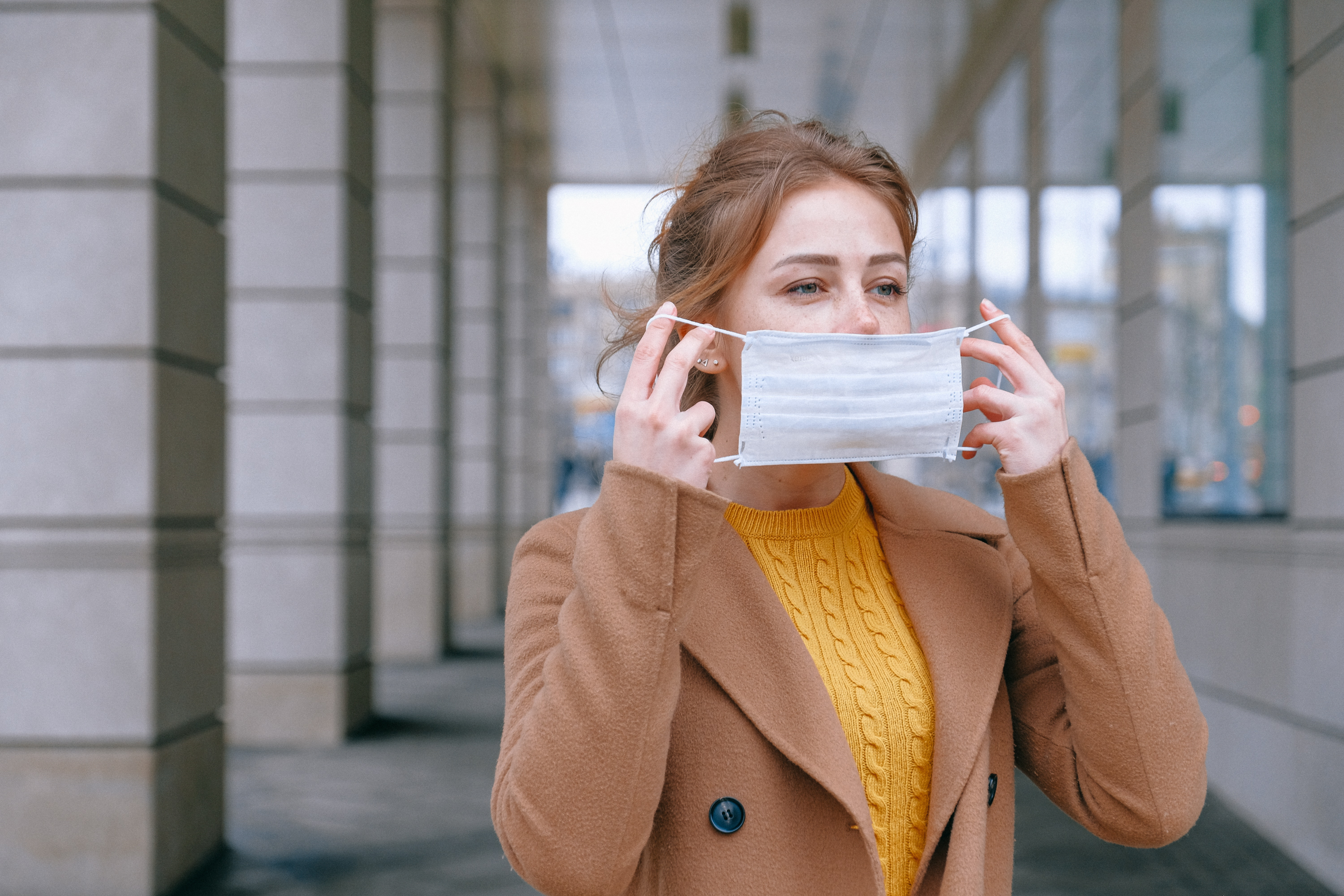
With SJRP’s Help, You Can Combat the Substance Abuse and Mental Health Symptoms Left Behind by Covid-19
It may seem like an impossible goal to overcome an alcohol or substance use disorder in these unprecedented times. But with help and support, you can beat your desire to drink alcohol or engage in drug use when you are stressed or confused. Covid-19 may be causing turmoil and panic. And it may put some individuals at increased risk of substance abuse relapse.
However, even though substance abuse rates are on the rise, at SJRP, we’ll continue to provide safe, compassionate substance use treatment during and after the pandemic. We ensure you; your loved ones can get the help you need and deserve from a treatment facility you can trust. The medical care world can be a frightening place right now, but that does not mean substance abuse has to rule over you.
Call our admissions department at 833-397-3422 to learn more about our alcohol rehab programs.







Leave A Comment