


Is it True that Marijuana is Addictive? Medications can be both good and bad. When appropriately used, substances like even medical marijuana can have physical and mental health benefits.
Yet, unfortunately, in today’s society, alcohol abuse, drug addiction, and mental illness complicate the good medicinal drugs can provide us.
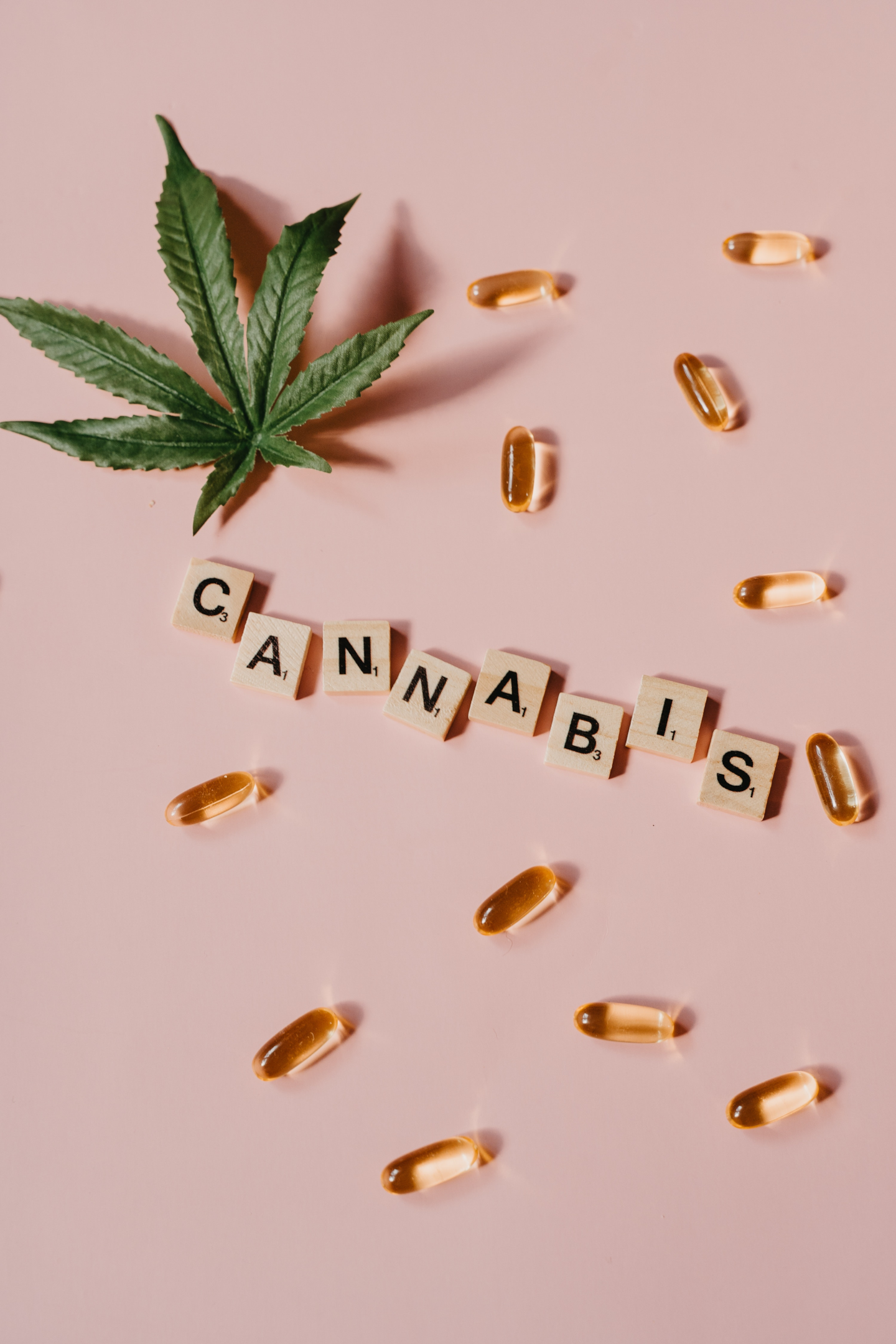
Smoking Cannabis Can Have Serious Adverse Side Effects
And marijuana is no exception.
Currently, according to the American Psychiatric Association and the National Institute on Drug Abuse, over 30 million Americans struggle with alcohol dependence or drug abuse.
It may sound impossible, but today, there are hundreds if not thousands of ways a person can engage in substance abuse. And there are even more ways for an individual to develop a substance use disorder. One of the most common ways people start abusing drugs is by smoking marijuana.
Gateway Drug Abuse, Smoking Marijuana
Also commonly referred to as the “gateway drug,” marijuana abuse became a coined term in the United States by 1937 when the Federal Government made the Marijuana Tax Act. But, before the American Government made this law to criminalize recreational marijuana use, seeing someone smoke pot was almost as normal as seeing someone smoke tobacco.
In fact, marijuana users across the globe have a long history in different cultures, addiction medicine, and more.
But, just because people have been known to smoke marijuana as early as 500 BC does not mean cannabis dependence does not pose health risks to infrequent and frequent users. Even though cannabis users may protest their existence fervently, marijuana laws exist for a reason.
People Who Use Marijuana and Other Drugs that Affect Brain Development and Functioning Risk Psychological Dependence
For many people today, it can be hard to come to terms with marijuana’s relationship with an actual addiction. Why? Because those who abuse marijuana are often closer and more numerous than we would care to admit.
We like to brush off the prospects of marijuana addiction. But in reality, although we like to think quitting marijuana can be done at any time. And we tell ourselves marijuana potency can’t cause a cannabis use disorder. At the end of the day, marijuana dependence and cannabis addiction frequently occur, ruining the lives of individuals all across the country. Currently, over half of the United States population admits to having smoked cannabis at least once. And it’s not just young adults who suffer the mental health problems and other negative consequences of marijuana abuse each day. Marijuana users of all ages and backgrounds are at increased risk of suffering severe consequences for their cannabis abuse.
One of the most common side effects of chronic abuse of the cannabis plant includes not only substance dependence. But marijuana can also cause impaired cognitive functioning.
The Risk Factors that Play Into Marijuana Addiction
Even though treatment facilities and addiction medicine experts like the Diagnostic and Statistical Manual or Mental Health Services Administration have done countless studies on addiction and mental disorders. Everyday citizens frequently ignore the warnings of treatment centers across the country. They refuse to look at the effects of alcohol abuse and other substances on the brain and mental health conditions until they are suffering from addiction themselves.
So, to illustrate the scope of marijuana abuse in the United States, the Drug Enforcement Administration and National Institute on Drug Abuse have spent years gathering data on chronic marijuana use across the country.
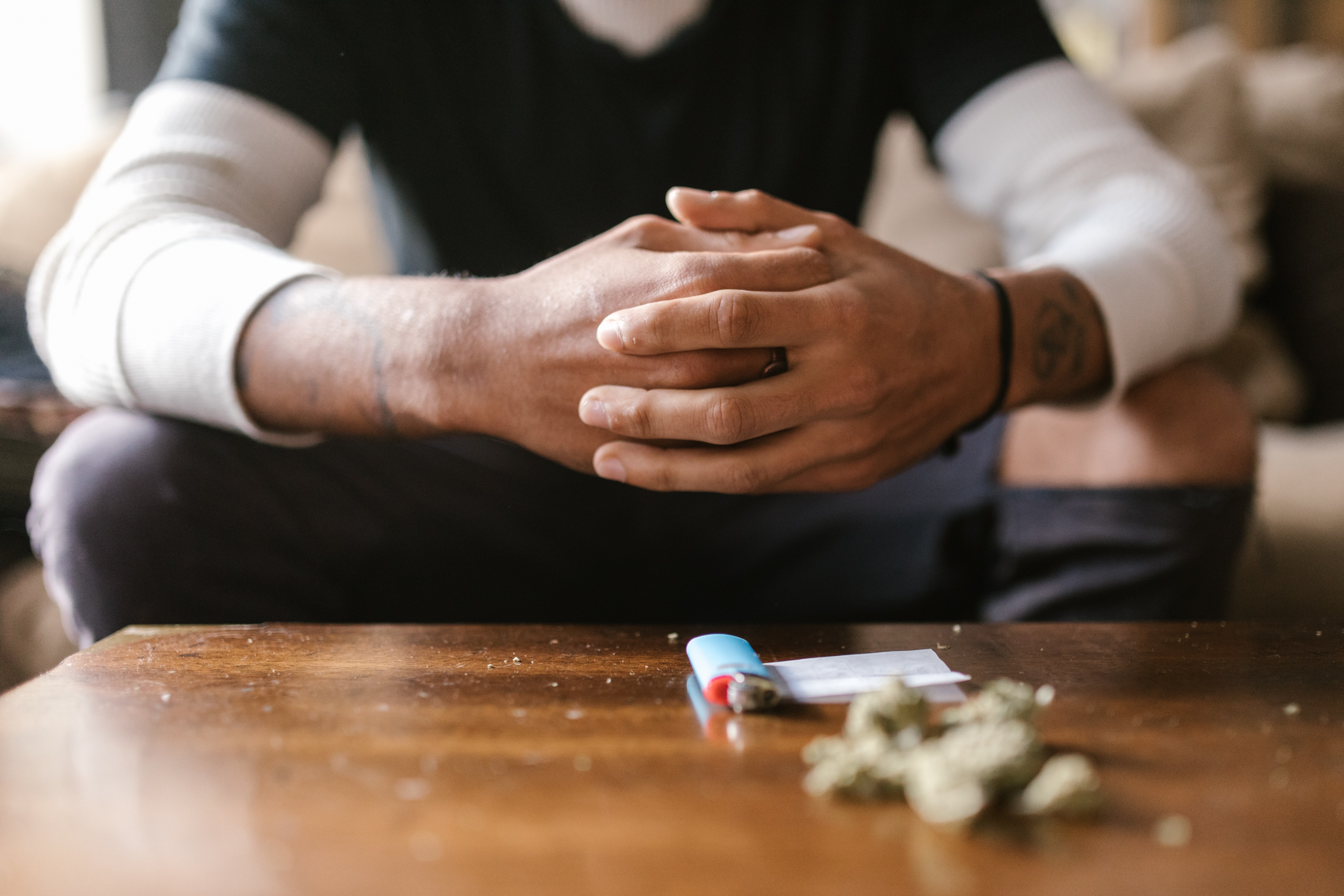
An Addiction to Smoking Weed Can Derail a Person’s Life Like Other Forms of Substance Abuse
Today, researchers have found that marijuana is a drug frequently used for its ability to affect the brain in recreational settings.
But, the drug can also be used in healing settings by a proficient medical director to help people recover from physical ailments.
Yet, even though there are potential benefits marijuana use can bring people, there are also many risks that come with smoking cannabis.
Studies on Marijuana Addiction Have Found, Not Only is it Hard to Quit Marijuana Use but an Addiction Treatment Center May Need to Guide a Patient Through Recovery Practices
At the end of the day, we all have preconceived notions about drugs and alcohol.
Some of us may believe that all manners of drinking are dangerous. And some of us may think that all drugs stand on the same addiction level.
But, the truth is, drugs, alcohol, addiction, and substance use disorders are all a lot more complicated than we would often like to believe.
- Marijuana frequently is mistaken as a drug that does not allow users to become addicted.
- Cannabis addiction can negatively affect an individual ability to think, have meaningful relationships, and keep a job, like other drug’s effects.
- Marijuana withdrawal, like other withdrawal symptoms, lasts for up to two to three weeks.
- Cannabis withdrawal symptoms can be just as potent as other substance withdrawals.
- It is possible that marijuana’s addictive potential can be low. Still, a person can become addicted to the pot or develop a cannabis use disorder.
- A brain responsible for telling a person they need more marijuana chronically needs professional addiction treatment.
- Marijuana addiction typically occurs alongside other forms of substance abuse.
- Cognitive-behavioral therapy and other treatment options can help people beat a cannabis use disorder.
- The risk factors that play into a person developing a marijuana addiction are vast.
Sometimes, there is no such thing as a true and false story. And there may be no black and white understanding of how marijuana addiction works. Sometimes, the exact subject matter surrounding drugs and addiction can be chaotic and gray. As a result, there can be such things as half-truths and exceptions. Yet, that does not mean the more prominent nature of the subject has changed.
Take marijuana, for instance.
What is Marijuana?
Marijuana, also known as cannabis, pot, or weed, is a drug derived from the dried leaves, stems, seeds, and flowers of the Cannabis Indica or Cannabis Sativa plant.
The plant contains a mind-altering chemical within itself, known as THC, and a few other varying compounds.
Specific chemical extractions can lead to the medicinally used forms of cannabis and CBD oils. Otherwise, when dried and left alone, the leaves, stems, etc., of the Cannabis Indica can be smoked to inspire a sense of calm and psychoactive stimulation.
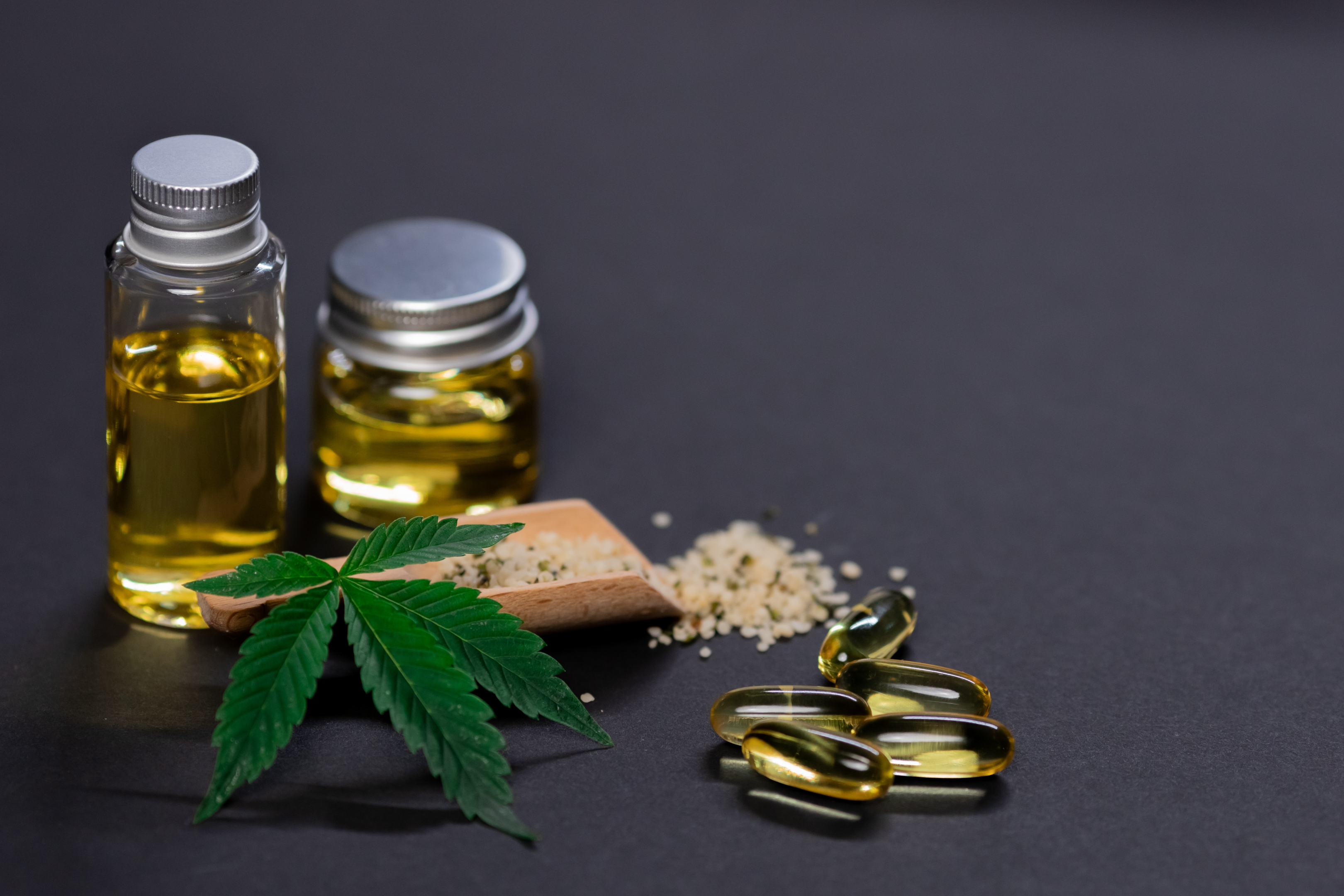
Smokeable Marijuana is Derived from the Cannabis Sativa Plant
First, making its debut in the U.S. early in the country’s history–as early as colonization itself. Marijuana has a long-standing history of human use that stems back to Asia around 500 BC.
As the most commonly used psychoactive drug in the U.S., marijuana is used daily by more than 12 million people for recreational purposes. But thousands of people have also begun to use the drug in specific, legalized states for medicinal purposes–although typically distributed and cultivated differently than the traditionally known form of marijuana.
This does not mean that traditional marijuana is safe to use and carries no addictive properties.
The Side Effects of Marijuana Use
Although marijuana is not considered one of the most dangerous drugs used in the U.S., despite its high consumption rate. That does not mean the drug does not come without its own adverse effects and dangers.
Many people who use marijuana experience its more well known, short-term side effects, including:
- A short-lasting sense of wellbeing
- A sense of calmness
- Altered senses (that may include seeing brighter colors)
- Altered sense of time
Medical marijuana plays on some of these well-known side effects of weed. Thus, the medicine can help aid clients further in relaxing and having some particular benefits of treatment for specific conditions. But there are also many adverse side effects of marijuana use that can stem from short-term to long-term side effects and symptoms.
Many researchers and scientists are also wary of medicinal marijuana. Due to the medicine’s short lifetime and thus the inability to determine what the medication’s long-term effects may be on its patients.
The short- and long-term adverse side effects of marijuana use can include:
- Changes in mood
- Difficulty thinking
- Difficulty problem solving
- Impaired memory problems
- Experiencing hallucinations (when used in high doses)
- Experiencing delusions (when used in high doses)
- Impaired body movement
- Impaired reflexes
- Risk of developing psychosis (when used frequently in large quantities)
- Developing breathing problems
- Experiencing higher anxiety levels
- Causes developmental issues for children in women who use while pregnant
- Increasing heart rate
- Cycles of nausea and vomiting (when developing Cannabinoid Hyperemesis Syndrome)
- Worsening symptoms of schizophrenia (in individuals who suffer from the condition)
- Increased paranoia
- Relationship problems
- Overall poorer physical health
- Overall poorer mental health
- Developing lower life satisfaction
Is Marijuana Really Addictive?
Even with all of this newfound information and long-standing history discovered, the question remains…is marijuana addictive?
Even though marijuana addiction is rare, it does occur in about 30% of its problem users. Marijuana is addictive, even though addiction usually only occurs in individuals who suffer from marijuana use disorder and have continued to misuse the drug heavily for an extended time.
Even if individuals do not form an addiction to weed or develop a marijuana use disorder, the drug is still very potent. It can be considered a “gateway” substance in some instances. Gateway substances are drugs that have low abuse potential. But that can be laced with other heavier drugs to introduce users to “harder,” more potent drugs and the potential to develop more addictive disorders or experience more life-threatening situations.
Luckily, suppose you or a loved one is experiencing a marijuana problem or another type of drug use issue. In that case, there are ways you can get help.
Substance Abuse and Addiction Treatment
Substance use disorders like marijuana use disorder can be challenging conditions that cause many pain, frustration, and physical/mental strife.
Addiction itself is clinically a disease that initially affects the mind, spreading to affect nearly every aspect of the individual’s body and their lives. But luckily, there are drug and alcohol rehab centers located across Florida–and the rest of the country–that can help people recover. And thus live their lives drug and alcohol-free again.
Marijuana Addiction Treatment at St. John’s Recovery Place
St. John’s Recovery Place (SJRP) works hard to provide clients with a quality rehab regimen that focuses on healing both mentally and physically in a holistic manner.

St. John’s Recovery Place Can Help You Win the Fight Against Addiction
Not all drug and alcohol rehab facilities are the same, although many share similar qualities, treatment methods, and operating principles. Typically, all drug and alcohol rehab centers work closely with an individual’s medical care team to provide them with services that include:
- Medical detox
- Inpatient / residential rehab
- Partial hospitalization programs (PHPs)
- Medication-assisted treatments (MATs)
- Support groups
- Outpatient rehab
- Intensive outpatient rehabs
- Aftercare services
And so much more. Addiction is complex, and treatment for substance abuse disorders can sometimes feel very unpleasant. But, rehab centers like SJRP work tirelessly to ensure they make your treatment program as comfortable as possible for you.
Addiction recovery is not a race. And it varies highly from one patient to the next. So it is crucial that if you or a loved one decides to undergo treatment–or is receiving treatment now–you do not get held up in comparison to others. Your recovery journey is your own. So, don’t wait another day to begin your journey towards sobriety and a recovery lifestyle. It may be challenging, but the journey is well worth the outcome. Start your drug and alcohol rehab treatment today; call SJRP at 1-833-397-3422 or visit us online.







Leave A Comment