


Orlando Rehabs and Attractions
The shining jewel of the Sunshine State, Orlando, Florida, is known for fun, warmth, and several other big-name attractions.
From Walt Disney World to Sea World. From Gatorland to Old Town, Legoland, Kennedy Space Center, and more. Orlando is a magical place that millions of individuals and their families come to visit each year. But, there is not only fun to have in Florida. Orlando has a harsh side, too, with people suffering from everything from family disease to mental health issues, chronic crime problems, and more.

But, one of Orlando’s greatest struggles is drug and alcohol abuse.
Thousands of Orlando’s residents struggle with substance abuse. And in the last three years, law enforcement and medical centers have noted increased overdose rates for most drugs and alcohol used across South and Central Florida. For the first eight months of 2020, drug abuse overdoses rose by 70%.
Now, although drug and alcohol abuse has calmed somewhat in the Sunshine State since the start of 2020, thousands of individuals and their families still struggle with the effects of chronic substance use.
Substance Abuse Basics for Orlando, FL Residents
There are many ways people can abuse drugs and alcohol. And there are many levels of alcohol and drug abuse.
A substance use disorder is a chronic form of mental illness. People who struggle with this mental health problem cannot stop their drug or alcohol use impulses. And many of them wouldn’t want to either. When a person becomes addicted to drugs or alcohol, they can only think of how excellent or normal the substances make them feel.
As their substance abuse continues, growing more severe over time, the less they can separate themselves from alcohol or drugs. Mentally and physically, they become slaves to drug and alcohol addiction. They give over their entire lives to substance abuse without ever realizing what’s going on.
As the substances continue to weave their influence into individuals’ minds, alcoholics and drug users become more lost in addiction.
The Good News? Addiction Treatment and Recovery is Possible!
Luckily, even though alcohol and drug addiction have the potential to ruin thousands of lives in Florida. Orlando drug and alcohol rehab centers offer residents a way to beat substance abuse.
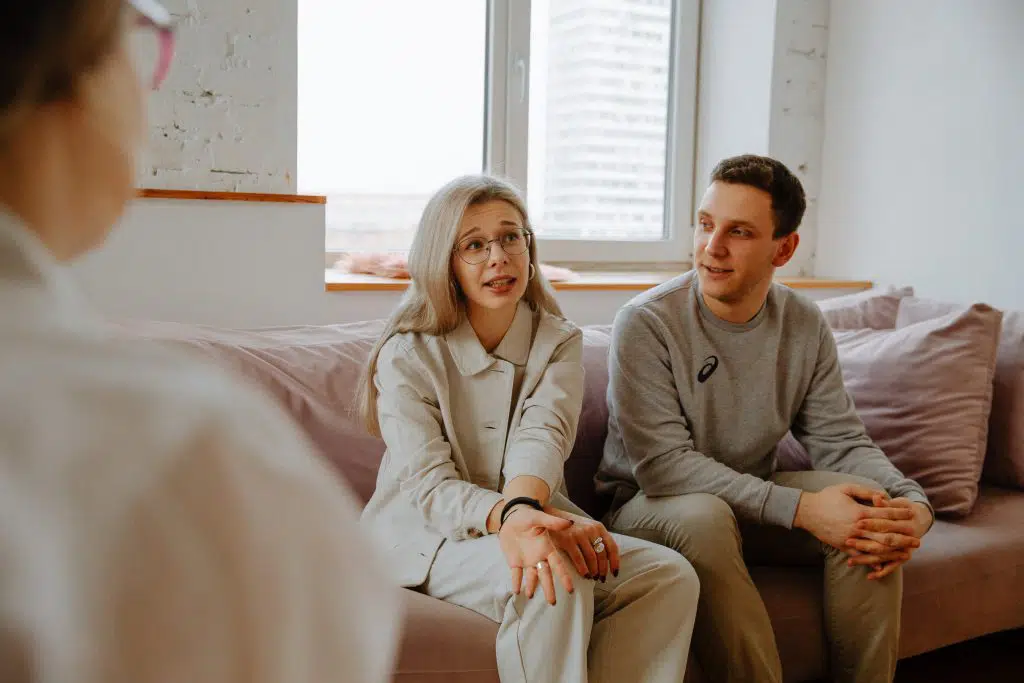
With proper care and professional medical advice, mental health issues and alcohol and drug addictions are all diseases people can recover from. The recovery process can prove long and tiring at times. But with the proper emotional support of family members, friends, treatment plans in Orlando, FL, rehab centers can help guide individuals as smoothly as possible through the recovery journey.
Different Types of Treatment Centers in Central and South Florida
Yes! Substance abuse disorders are treatable conditions! And individuals can manage mental health problems with the assistance of professional guidelines from the Mental Health Services Administration and more.
But, not all drug and alcohol rehab facilities are the same. An Orlando recovery center can come in many shapes and sizes.
Think luxury Orlando Florida versus confidential, free medical care. Alcohol and drug rehab centers can be both expensive, fancy residential programs. Or simple, to-the-point treatment options. Both avenues can operate as advanced recovery systems. You just need to find the right rehab center for you! The most common drug and alcohol rehab center variations a client can find in Florida include:
- Luxury beach-side treatment centers
- Sudo expensive, but more affordable addiction treatment centers
- Simple, tried-and-true treatment centers
What Drug and Alcohol Rehab Centers Entail in Programs Fighting Addictive Substances
Rehab, like addiction itself, can be pretty complex. Despite the common goal they all share, each treatment facility is subject to operating its recovery systems in its way.
Thus, every treatment facility offers its own rehabilitative programs and practices following standard effective recovery guidelines.
A more expensive treatment program can benefit clients from more customizable recovery plans, private rooms, and sometimes, beach views. Less expensive recovery alternatives can offer individuals a quality treatment program with less private amenities and flexibility.
“Cheaper” addiction rehab facilities are still very effective in helping beat substance use disorders, withdrawal symptoms, and more.
Regardless of What You Can Afford, Or What Type of Substance Abuse You Wrestle With, There is a Treatment Center for You
Despite the expense, variability added, or retracted amenities, there is a rehab center out there for everyone. Each treatment facility may offer different kinds of programs. Still, in South and Central Florida, rehabs do their best to provide clients with a wide range of standard practices.

Clients seeking addiction treatment in a Florida Orlando recovery center can expect to encounter the following services on their long-term recovery journey.
Medical Detoxification Programs
Everyone pursuing addiction recovery must go through alcohol withdrawal and drug detox. The first stage of the recovery process, the medical detox period, lasts about two weeks. In these weeks, the client works through the first stages of withdrawal symptoms, battling off the adverse effects of the phase until they are stable enough to move onto residential treatment centers.
Medical detox programs seek to make the client as comfortable as possible through withdrawal. Thus, they often seclude clients in privacy to undergo the worst drug elimination process with as much peace as possible. These alcohol and drug detox services are sometimes distributed on the rehab’s main campus. Other times, the programs have separate buildings designated for withdrawal or are implemented in hospitals. Hence, clients have direct access to emergency services.
Partial Hospitalization Services
Partial hospitalization programs are typically used as “go-between” services. These services are usually implemented in an individual’s recovery program. Generally, when they feel they need a little extra time practicing the new coping skills they have learned. Or, partial hospitalization can be used as a transition point, allowing clients to move from one program to the other more smoothly if there is a waiting period in the process.
Generally, partial hospitalizations occur somewhere between residential rehab and outpatient treatment. Once started, these programs last anywhere from one to two weeks.
Inpatient Treatment Programs
The primary treatment method for substance use problems is an inpatient program. Inpatient rehab can last from three months to a year, depending on how severe your condition is and your individual treatment center’s guidelines.
Inpatient programs require clients to live on the rehab campus 24/7 for the duration of their recovery service. These services, individual counseling, support groups, family therapy, relapse prevention, and coping skills are all addressed. Generally, inpatient treatment centers use behavioral therapy sessions to manage past alcohol and drug use in an individual’s life.
The point behind residential treatment is to show individuals there is more to life than engaging in drug-related activities. These programs help people. Through individual therapy, they recognize the problematic patterns in their life and make positive, long-lasting changes to stay sober in their upcoming years of freedom.
Intensive, Outpatient Programs
Yet, even though inpatient programs are pretty extensive, outpatient services are typically used to help cement the lessons clients learned in initial rehab.
An outpatient basis post-residential rehab can extend a person’s treatment plan. Thus, they can continue developing new coping skills and engage in individual or group therapy to strengthen their healing.
Outpatient treatment can be intensive or more relaxed, requiring clients only to show up for a few alcohol or drug treatment sessions per week, at most.
Medication-Assisted Treatment Services
The medication-assisted treatment adds additional medical care benefits to some substance abuse treatment programs. These services are not programs of their own accord but are a form of additional assistance an individual can apply for in treatment to help make their recovery smoother.
Some substance use disorders can be tricky to treat, like opioid addiction. To properly recover from severe substance use problems, doctors may recommend some clients use medication-assisted treatment in rehab. But not every alcohol and drug rehab offers medication assistance in their rehabilitative practice.
Suppose you or a loved one struggles with a more severe form of alcohol or drug use problem. If your doctor is recommending the use of medication assistance in treatment. Make sure you check with a qualified admissions representative from your rehab of choice to ensure the center will be able to provide you with your treatment needs. Not all Orlando, FL recovery centers offer medication assistance in rehab programs.
Aftercare Programs
Although they are alluded to, aftercare programs are not typically included in an outpatient or residential treatment center.
These programs can occur in a transition house, in the comfort of your home, and generally include group therapy sessions and individual counseling. This is the final stage of addiction recovery. This is where clients get back to having a job and work to rebuild relationships. It is here that clients become alumni at their treatment center. And they work primarily on their own, with the help of aftercare acids, to maintain long-term sobriety.
An aftercare service can be as complicated as attending therapy and group meetings several times a week. To be as laid back as attending sobriety sessions only once or twice a month.
Sober-Friendly Activities in Orlando, FL
Regardless of the kind of aftercare, you decide to engage in post-rehab. It is important to remember that keeping up with your relapse prevention techniques and activities will help you stay sober in the long run.

Outside of all the fancy, expensive resorts, Orlando can be a scary place to live for a recovering addict. But, the community also has a lot of great sober-friendly opportunities and activities for you to try as well. Floridians are here to help support their community members through thick and thin, hurricane or addiction, sunshine or rain. As a result, the community has built opportunities for their recovering friends to start re-engaging in and enjoying life society again, including:
- Taking an airboat ride to see wild gators
- Playing around tiny amusement parks on go-karts and doing mini golf
- Getting together with friends at a modern video game parlor
- Trying in-door skiing or snowboarding
- Taking a boat tour on Orlando’s waterways
- Exploring Florida’s mystery up close and personal on a kayak
- Putting your brain to work with friends as you work through a fun escape a room
Of course, you can also try paddleboarding visiting local art and history museums. You can even try volunteering at an animal shelter or walking the many trials and botanical gardens Orlando has to offer its residents. The possibilities for harmless, sober-safe fun are endless!
Now that you know the potential of your healing, all you need to do is find the right rehab for you.
Drug and Alcohol Rehab at St. John’s Recovery Place
If you or a loved one struggles with an alcohol or drug use problem, St. John’s Recovery Place (SJRP) may be the right rehab for you. With locations near and far from Orlando, FL, SJRP works to provide the Sunshine State community with various holistic substance addiction rehab services.
Loving, compassionate, innovative, and understanding, SJRP and its quality team of medical and therapeutic professionals work to create a safe space for clients to grow and challenge themselves.

Even long after your recovery program ends, you can still count on SJRP to have your back. Once a member of the community, always a unit of the family. Offering a wide range of full-spectrum addiction treatment services, St. John’s is ready and willing to help you and your family heal.
Would you like to know more about SJRP? Call us today at 1-833-397-3422 to learn more, or visit us online for further detailed information. You’ll be glad you made the call.

Leave A Comment