


How Do You Know It’s Time For Residential Substance Use Treatment?: So many people suffer from drug and alcohol addiction and yet so many don’t seek the help that could change their lives. Some people don’t know where to look for help. Others are afraid of what family or friends might think (spoiler alert: they likely already know, or at least assume.) And some, usually because of past traumas and other issues, think they don’t deserve help and a “good” life.
Many times though, people don’t even realize they have an addiction. Or they just don’t think it’s a “problem” yet. They figure once it gets bad, then they’ll stop. But the truth is, it probably already is bad.

So How Do You Know It’s Time For Residential Treatment?
It’s not always easy to spot the signs of drug or alcohol addiction. Some people are able to hide their symptoms well. Ever heard of a “functional alcoholic”?
Some individuals have become reliant on their drug(s) but are still able to perform regular tasks, have steady jobs, and maintain their home life. At times, they can even be overachievers and from the outside looking in, they seem like they have it all.
But if you pay close attention, you’ll notice their addiction and inability to go about their everyday life without drinking or using their drug.
This is typically easier to spot with alcohol than with other substances because people tend to not be as secretive with alcohol. Whether symptoms of addiction are blatant or not, don’t negate a gut feeling and start paying attention to all the possible signs.

Addiction may not always be easily noticeable.
What Are the Signs of a Substance Use Disorder
There are many signs of drug or alcohol use, which are typically physical and visual signs. Once drug abuse turns to drug addiction, the person has become dependent and now the signs become more behavioral.
Physical and Behavioral Signs of Addiction
- Having problems at work or school
- Struggling with personal or family relationships
- Missing important obligations
- Sleeping at odd hours, sleeping too much or not enough
- Being sad or in a bad mood
- Mood swings
- Losing interest in activities
- Spending an unusual amount of time alone
- Changing friends frequently
- Poor hygiene
- Eating too much or not enough
- High energy, talking fast, and not making sense

Substance abuse results in physical, behavioral, and mental changes.
DSM-5 Criteria for Medical Diagnosis
Addiction varies on a scale from mild, to moderate to severe. The Diagnostic and Statistical Manual of Mental Disorders (DSM-5), which is the standard manual for clinicians, identifies 11 criteria for diagnosing a substance use disorder:
- The substance is used in larger amounts for longer
- Repeated attempts to quit or control use unsuccessfully
- Much of one’s time is spent using, including the activities related to obtaining the substance
- Physical and psychological problems are present as a result of using
- Social, professional, and personal activities are being given up in favor of using
- Have built up a tolerance, which results in needing more of the drug to feel the same effects.
- Withdrawal symptoms occur when trying to stop, or if too much time has passed between uses. Symptoms vary but can include tremors, headaches, nausea, dizziness, hallucinations, etc.
- Experience cravings
- Hazardous use
- Social and interpersonal problems caused by or made worse by the substance use
- Neglecting major roles at home, work or school

Meeting two or three criteria is considered a “mild” substance use disorder; four or five is considered “moderate”; six to eleven is deemed “severe.”
If you have a mild substance use disorder, you may be able to seek rehab treatment on an outpatient basis. However, make sure to evaluate your personal circumstances (living situation, external influences, etc.) to see if that would be the most ideal situation for you.
For moderate and severe disorders, residential rehab is recommended for individuals to receive more thorough and comprehensive treatment, resulting in the best chances of recovery.
What is Residential Drug Treatment?
Residential addiction treatment, sometimes referred to as inpatient treatment, is when a person remains at a rehab facility throughout the course of treatment. This differs from outpatient addiction rehab, where an individual can live at home and maintain their academic or work life while attending therapy sessions during the day or evening.

Is residential treatment best for your addiction?
Residential treatment centers will provide housing, meals, and treatment services for the duration of the program. Some residential rehabs also offer detox and after-care services.
Inpatient addiction treatment can be short-term lasting 30 days or less, or long-term. Long-term drug rehab can be as long as 6-12 months but is most commonly 3 months long. The length of a person’s addiction treatment program will depend on their individual needs and the severity of their addiction.
Benefits of Residential Treatment Programs
Inpatient and outpatient rehab will often offer similar types of therapies. However, there are some inherent benefits to an inpatient residential program:
More focused
Patients can put all their attention on themselves as they work through their recovery. Instead of only being able to attend a few hours of therapy each day, individuals receive care throughout the day. More intensive treatment and therapy sessions allow for a more thorough rehabilitation. It also allows for more time to learn about triggers and coping skills, setting up a better foundation for lifelong recovery.

The additional support of residential treatment can be crucial to your recovery.
Provides 24/7 access to medical care
A team of professionals and fully licensed doctors are onsite and always available. This is particularly crucial during the early days of detox to help monitor patients and assist in case of emergencies. In addition, this means a facility can offer medication assisted treatment.
Medication assisted treatment can help an individual endure detox withdrawal with less severe symptoms, and navigate recovery with more confidence.
Removal from bad influences and triggers
Sometimes people live or work in a negative environment that triggers them to use drugs or alcohol. Other times, they have friends or family that condone and encourage substance use. Not to mention, an idle person and a wandering mind are much more likely to relapse.
When a person is familiar with their surroundings they know exactly where to go to find their escape. In residential treatment centers, individuals are less likely to be influenced into relapsing.

Mental health disorder treatment
Residential treatment centers can offer dual diagnosis care for individuals suffering from co-occurring mental health conditions. However, this specialty treatment is not offered at all facilities as it requires licensed professionals that handle mental health disorders. For individuals suffering from mental illnesses such as anxiety, depression, or BPD, this integrated approach to substance abuse treatment can be pivotal to their recovery.
How To Choose the Right Substance Abuse Treatment Center
Choosing a residential addiction treatment center can feel overwhelming. A quick Google search will bring up pages upon pages upon pages of rehab facilities. How do you know which one will be best for you?
Reviews and Recommendations
First of all, read the reviews and see what others have said about the facility. Take what you read with a grain of salt, low reviews could be from previous management or a “5-star” facility could be based on only 2 reviews, but it is still good info to know.
If you’re comfortable, it’s also worth asking friends, family members, or your primary care doctor for recommendations.
Understand What’s Being Offered
Second, research the types of services and treatments that are offered. Does the facility create individualized treatment plans? Are there additional therapeutic services or after-care services offered that exhibit a comprehensive rehabilitation? Is it a holistic treatment program that will treat the whole you and not just focus on your addiction? Are detox and medically assisted treatment offered?
You want the approach to treatment and services offered to align with your values and needs.
Call and Tour Treatment Centers
Then, call the facility and speak to an admissions coordinator. Pay attention to the types of questions they are asking you. Does it seem like they are truly interested in you as a person, or are you just another number in line? Do they seem caring and personable? Listen to your gut.

If possible, schedule a tour to see the treatment facility in person so that you can see the location for yourself and get an even better feel for the program.
Residential Addiction Treatment at SJRP
If you’ve been struggling with drugs or alcohol abuse, or have tried outpatient treatment with no success, it may be time for a residential treatment program to finally get you on the road to long-term recovery.
At St. John’s Recovery Place (SJRP), we provide a comprehensive detox and addiction treatment program for adults suffering from substance use disorders as well as co-occurring disorders. Our Joint Commission accredited residential rehabilitation center is a trusted resource in the Florida community.
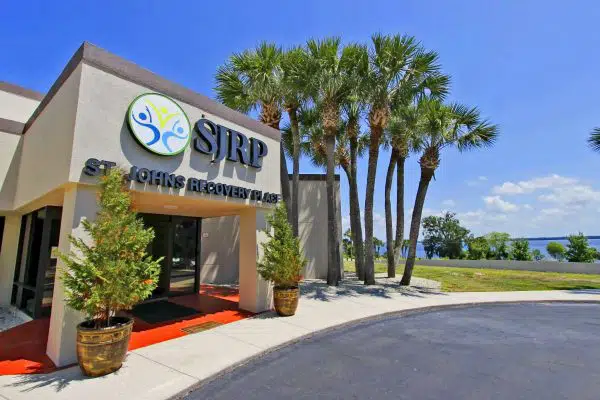
Joint Commission accredited residential alcohol and drug rehab at SJRP.
With a strong value on mental health, we offer a holistic approach to the addiction recovery process, allowing for deeper and more thorough healing.
Our services include:
- Residential treatment program
- Semi-private rooms
- On-site chef-prepared meals
- Weekly outings
- Numerous amenities
- Outpatient treatment programs
- Partial hospitalization programs
- Intensive outpatient program
- Broad range of recovery therapies
- Dual diagnosis treatment
- Medication assisted treatment
- Individualized treatment plan
- Aftercare services
- Sober living homes
- Support groups
Call Today to Begin Your Recovery Journey
If you’re ready to seek addiction treatment and begin your residential rehab at St. John’s Recovery Place, give us a call at 833-397-3422. We’d love to get to know you and help you get started on your recovery journey today!
This is your sign to get help for your addiction.
SOURCES:
Hasin, D. S., O’Brien, C. P., Auriacombe, M., Borges, G., Bucholz, K., Budney, A., Compton, W. M., Crowley, T., Ling, W., Petry, N. M., Schuckit, M., & Grant, B. F. (2013). DSM-5 criteria for substance use disorders: recommendations and rationale. The American journal of psychiatry, 170(8), 834–851. Retrieved April 28, 2021, from https://doi.org/10.1176/appi.ajp.2013.12060782
NIDA. 2020, June 25. The Science of Drug Use and Addiction: The Basics. Retrieved April 28, 2021, from https://www.drugabuse.gov/publications/media-guide/science-drug-use-addiction-basics
MedlinePlus. Drug Use and Addiction. National Institute of Health. Retrieved April 28, 2021, from https://medlineplus.gov/druguseandaddiction.html







Leave A Comment