


How to Have a Relationship with a Drug Addict
A healthy relationship enables us to grow emotionally, mentally, spiritually, and physically.
But in the wake of alcohol abuse and drug addiction, substance use disorders and mental illness can not only complicate a person’s life professionally but relationally too.
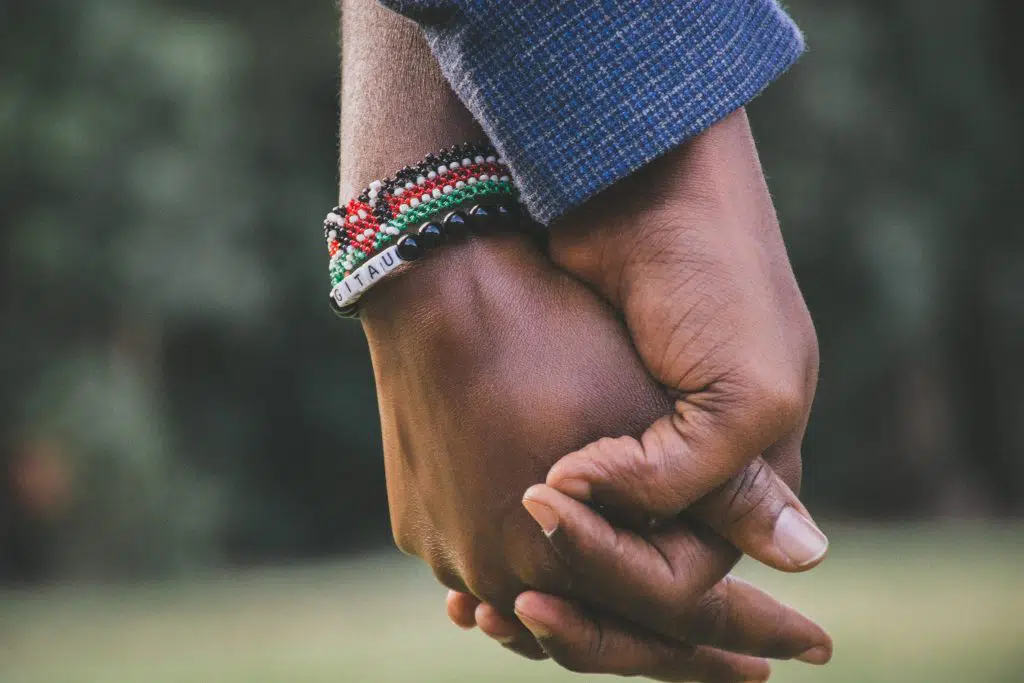
As human beings, we need a meaningful relationships in our lives. And we aren’t just referring to romantic partners. Without loved ones like family members, friends, children, or significant others, our lives would lose all-purpose. We would have no one to laugh with, confide in, receive help from, or encourage. Life becomes a cycle of adverse circumstances and negative effects without good relationships.
Yet, even though a healthy relationship is something we all crave, many circumstances can make obtaining and maintaining good partnerships challenging.
If Your Loved One Struggles with Substance Abuse
The Life of an Addict Impacts More Than One Partner or Codependent Person
Suppose you or your loved ones struggle with drinking, drug use, or a mental health disorder. In that case, you may find it challenging to maintain healthy boundaries and relationships.
Problematic drinking or drug use takes over an addict’s life entirely, causing harm to their financial, professional, and personal lives. Alcohol and drug abuse are mental health disorders characterized by a lack of impulse control for using substances that result in harmful, recurrent negative effects. Some people believe that an addiction problem only hurts the person abusing drugs or alcohol.
But, an addict’s behavior, whether it be a parent, friend, or partner’s addiction, is harmful to anyone and everyone in their social circle.
Drug addicts are often codependent people, struggling to get by on a consistent basis.
They have money problems. They often express anger physically. They feel overwhelmed and suffer from physical pain and mood swings, involving partners, family members, and children in the chaos of their lives as their own needs permit. No one ever plans to become an addict. But, as the abuser’s partner or loved one, you may feel drastically overwhelmed, angry or scared.
You love your partner, but what do you do when their drinking and drug use begins to threaten you, your children, or another loved one?
Ask Yourself, Are You Enabling Behaviors that Promote Alcohol or Drug Addiction? Or are You Helping Your Addicted Partner Seek Addiction Treatment?
Addiction, especially in codependent relationships, can make it extremely challenging to set healthy boundaries. An addicted loved one can leave a lot of turmoil in their path. If you’re close to them, you’ll likely feel the effects of their self-destructive behavior up close and personal.
In some instances, you may contribute to the addiction problem by enabling behaviors or the substance abuser to continue alcohol or drug abuse.
How Does Addiction Affect Relationships?
Substance abuse disorders have many different effects on a relationship.
A relationship with an addict can occur with a codependent person or a loved one struggling to care for their partner and children even in the wake of emotional turmoil and domestic issues. A disease of the mind, addiction takes over an addict’s life to the point where they are sometimes no longer recognizable to their friends and loved ones.
The brain rewires, having an addict focus solely on alcohol or drug abuse.
Without their fix, the drug addict feels like they won’t survive life. But it is their addiction itself causing harm.
Relationships with Addicts Can Have Many Negative Effects
When people think of social connection amidst addicts or addiction treatment, their mind goes typically straight to romantic relationships and the struggles with such associations. But, romantic relationships are not the only social connections an alcohol or drug addict struggles with.

Some of the most common problems relationships with addicts suffer from include:
- Domestic violence: Frustrations begin to run high on either side of the relationship. Physical violence or verbal abuse become the preferred method to express anger. Domestic violence can include physical harm obtained from the person struggling with addiction or even property damage the addict does (like throwing objects across the room).
- Enabling behaviors: At times, the partner of an alcoholic or drug addict may allow their partner’s behavior by making excuses for their use or accepting the blame for their addiction. Sometimes a loved one allows the person struggling with addiction to continue their abusive patterns unintentionally. They try to help financially, giving money for food or gas and accidentally enabling their loved ones instead of helping their loved ones start an addiction treatment program.
- Codependency: Often intertwined with enablement, the codependent person sets aside their own needs and wants to appease the alcoholic or drug addict. Their identity becomes caring for their partner. They don’t realize the damage they are causing them by allowing their behavioral patterns to continue without professional treatment.
- Trust Issues: Many people struggling with substance abuse do not care to admit they have a drinking or drug use problem. They try to keep their activities a secret from their partner. Thus breeding trust issues over time as money goes missing, children are neglected, or they can’t accurately account for their time away from their partner.
- Emotional Turmoil: Addictions are incredibly isolating conditions for the abusers and their loved ones. In many instances, kids, spouses, or parents are left to hurt as their loved one distances themselves or is cruel to them with seemingly no explanation.
Relationships suffer drastically at the hands of addiction. Not all partnerships or social connections survive a drinking problem or drug addiction.
But, with the help of a treatment professional, it is possible to recover.
4 Thoughts to Keep in Mind If You are the Partner of a Drug Addict
Suppose you are the partner of an addict, determined to keep your relationship alive. In that case, there are some things you’ll have to keep in mind as you and your loved ones look into the many treatments available for cultivating addiction recovery.

It’ll be challenging at times to think of your partner in these terms, but try to keep in mind if your loved one struggles with drinking or drug use:
- They are not the same person. You must remember that you are dealing with a different version of the person you once knew. That person is still there but buried beneath the addiction. This is important to remember because addicts can be very manipulative and deceitful. If you continue to view them as the person they used to be, you’re more likely to fall for the lies and manipulations.
- Addiction distorts a person’s reality. They don’t use standard logic and reasoning. In many cases, they may not think they have a problem, let alone perceive their abuse situation seriously.
- There will be secrecy and trust issues. Whether due to fear or shame, individuals struggling with addiction will lie about their problems. And when you get that gut feeling, and you notice things don’t add up, or you catch them in a lie, you’ll begin to lose trust. And distrust can breed animosity.
- There may be anger issues and abuse. As tensions rise within the relationship, it can cause anger and violence on both ends. In addition, certain substances are prone to making a person agitated and more susceptible to violent behaviors. These include alcohol, cocaine, methamphetamine, and steroids, among a few others. As this can become serious and life-threatening, it is vital to seek help if you’re experiencing violence in your relationship.
Suppose you want your relationship to survive a substance abuse disorder. In that case, you will need to mentally strap yourself in for a lot of work.
It won’t be easy to confront your loved one about their problem. And it will be even more challenging to alter your habits to combat their addiction from your side of the relationship. If you decide you are willing to do the work to fight for your loved one, we are here to support and cheer you on every step of the way.
Recovery takes time, but you and your partner can make it through with love and support.
How Do You Have a Relationship With an Addict?
Maintaining a relationship with an addict is not easy. It’ll be one of the hardest things that you may experience.
But if you love and care about your partner, you will try to save your relationship and support them through recovery. If you are willing to put in the work for your relationship, there are a few things to keep in mind:
- Don’t hold onto blame: No one chooses to become an addict. There are a variety of reasons why addictions develop; some occur as an accident. To help cultivate grounds for recovery, you’ll need to be able to forgive your partner, not blame them for the pain they have caused.
- Help them, but don’t enable them: It can be tough, but you’ll need to engage in group and individual counseling yourself to learn the difference between helping or hindering the recovery of an addict. Sometime’s, you’ll want to help your loved one financially. But in many cases, bailing them out as they wrestle with drugs and drinking can allow them to continue their abuse patterns even more. Don’t try to shield them from the consequences of their actions.
- Set boundaries: It may feel harsh at times, but you’re not dealing with a rational person right now. Be clear about the limits you set with them and the consequences of crossing those lines. Then stick to your resolutions if those boundaries are crossed to avoid confusion.

- Don’t take responsibility for them: You can’t fix your loved ones. They have to come to the realization that they need help on their own. You can stage an intervention and help them to support groups or addiction treatment programs to start. Still, they need to take responsibility for their recovery themselves.
- Remember about self-care: Self-care is not selfish. For you to maintain a clear mind and an open heart, your needs must come before theirs. Self-neglect will not help either of you.
- Avoid codependency: Build your confidence and stand up for yourself. Codependency is when one person needs the other person. And the other person wants to be needed so much they set aside their well-being. It is a one-sided relationship stemming from a lack of self-esteem and pain. Signs of codependency include:
- Inability to set boundaries
- Feeling guilty for thinking about one’s self
- Constant anxiety about the relationship
- Putting the other person first, above all else
- Staying in the relationship despite reasons to leave
- Have patience and be optimistic
Having a relationship with an addict is exceptionally challenging. It would help if you took everything one step at a time. And it will take time. But know that many addicts do recover. Continue to show your love and support.
Model a healthy lifestyle.
And continue to encourage them to seek treatment options through local resources without forcing individual or group counseling on them. There are many treatments for addiction. But for recovery to be effective, your loved one needs to enter treatment for themselves.
Is It Possible to Save Your Relationship in Recovery?
Yes! It can be extremely challenging, but with time, dedication, forgiveness, and cooperation, treatment can help you, and your loved one saves your relationship.
Working on your partnership through addiction treatment will be difficult, but it is not impossible.
Ending a Toxic Relationship With an Addict
Addiction can be a dark and grueling place.
Addicts have their drugs to escape reality. But as the bystander? You live and breathe the consequences of substance abuse day in and day out. And when you love somebody fighting this disease and are constantly subjected to lies, betrayals, anxiety, and fear, dealing with addiction can be downright unbearable.
Sometimes, though it can be heart-wrenching, the only choice you have left is to end the relationship to protect yourself or your kids from further pain.
If you decide you need to end your association with someone because of the adverse effects you experience at the hands of their addiction, make sure you do so with love. Try not to blame them, have a heart-to-heart with them about why you are choosing to distance yourself if you need.
And remind them that although you need to put some distance between yourselves, you care for them deeply and hope they dare to seek out a recovery program soon. Sometimes, the best way to help addicts realize they need help is to allow them to experience the consequences of their actions.
How to Help Your Loved One End the Cycle of Drug Abuse
There are many ways to help an addict end the cycle of addiction. First and foremost, it begins with your mindset.
Do remember to be compassionate and encouraging to your loved ones. Don’t criticize or enable them to continue their abuse patterns. Suppose you’ve noticed potential signs of addiction in someone you love. In that case, it may be time to start educating yourself on substance use disorders and treatment options.
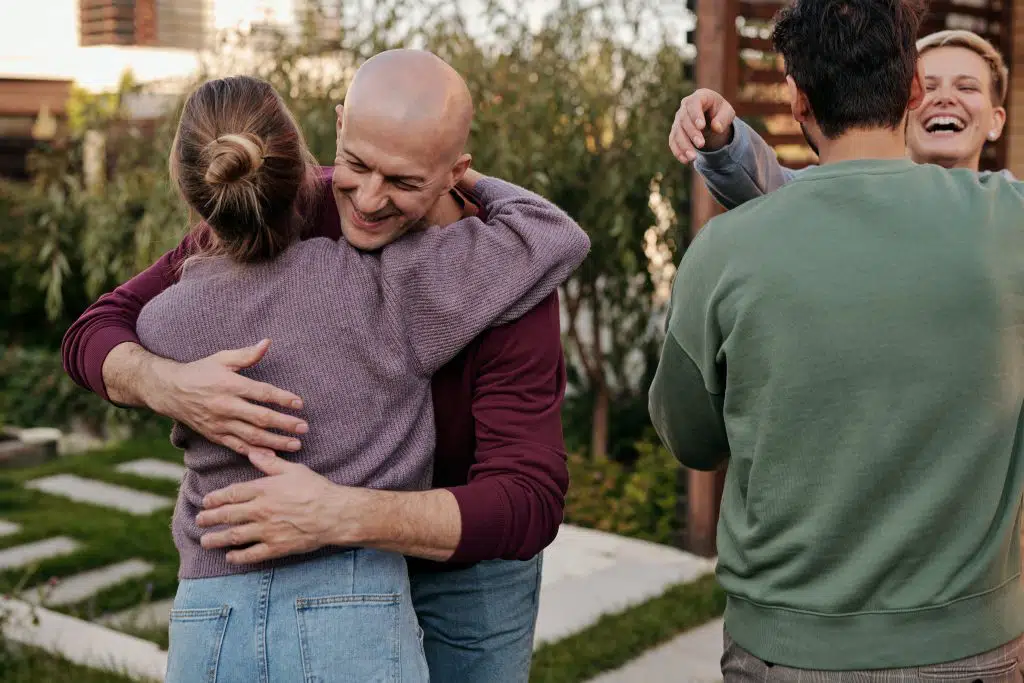
Once you grasp the basics of addiction, you can begin to pull an intervention together. Remember to show support for your loved ones in your intervention, don’t shame them. Have compassion for their struggles, offer encouragement, and let them know the choice is theirs. Still, when they are ready to start the recovery process, you’ll be there to help them find the right treatment program for them.
If they decide to move forward with counseling and therapy, your focus can switch to supporting them throughout rehab. Regular contact with your companion through healing can help reduce loneliness and embarrassment while rehabilitating. It can also help motivate them to keep fighting to better themselves and restore their relationships.
Keep up hope, be available, supportive and encouraging. But also try not to rush the process, and the change will be slow to come.
Addiction recovery is a marathon, not a sprint.
- John’s Recovery Place Substance Abuse Treatment Program
Professional Treatment Can Help You and Your Loved Ones Beat Mental Illness, a Dual Diagnosis, and Other Drugs
At St. John’s Recovery Place (SJRP), we can help you and your loved one run your race. We provide supportive treatment options and alternatives through every phase of recovery.
With our professional, innovative treatment practices and alternative recovery programs, holistic healing is at the center of all we do. If you or someone you love is struggling with addiction, recovery is possible.

From detoxification to inpatient rehab and more, SJRP can help you pursue the road to long-term healing and restoring relationships with the ones you love most. Recovery will take time, but you can do it!
Suppose you would like to know more about St. John’s Recovery Place, its therapeutic approaches to restoring social and familiar connections, and more. In that case, you can call 1-833-397-3422 today to learn more. Don’t let addiction run the life of you or your loved ones one more day. Take your first step towards recovery and repairing your relationships today.







Leave A Comment