


What is a TBI: Today, the United States population struggles with a drug and alcohol abuse epidemic. Yet, even though many individuals are aware of the problem itself. Few people understand precisely what addiction is and how it comes to be.
Traditionally, people hear about addiction developing after risk factors like child abuse, problematic use patterns, or even a traumatic event.
TBI Stands for Traumatic Brain Injuries
But, what people aren’t accustomed to considering is that sometimes substance use disorders can develop because of severe injuries.
According to the National Institute on Drug Abuse and Disease Control, substance abuse disorders affect a person’s brain cells. As a result, their chronic disease can be considered brain damage or brain injury. Thus, people are used to hearing of addiction’s effects on brain tissue. Yet, they are less accustomed to hearing how sometimes a physical traumatic brain injury (TBI) can cause a dependence on drug and alcohol usage.
Defining a Traumatic Brain Injury
At first glance at our article title, many of you were probably wondering, “what is a TBI?” And “what does TBI stand for?”
Not too many people are familiar with the term TBI today. But we are here to help you understand what a TBI is and how it often relates to substance abuse.
Currently, TBIs are defined by the Centers for Disease Control as traumatic brain injuries. Or, instead, a traumatic injury that affects how the brain operates. Now, even though many individuals are unaware of the true meaning behind a moderate or severe TBI. Today, head injuries that result in neurological disorders or permanent brain damage plague many severely injured patients.
A mild traumatic brain injury can cause blurred vision. But more severely head-injured patients can face dire side effects of their accidents, like even death.
Although Not Often Spoken of, There are Many Types of Head Injury People Can Endure in the United States
At the present moment, traumatic brain injuries in the United States are one of the leading causes of death for people of all ages.
Motor vehicle accidents can cause brain or spinal cord injury in adults, children, and the elderly. Meanwhile, the shaken baby syndrome can cause blood vessels to pop in infants or even give young children skull fractures. On the other hand, sports injuries or even a gunshot wound can also lead to significant disabilities, physical therapy or warrant the need for interventions from neurological surgeons.
In the end, almost anything from tripping hazards to blast injuries or a car accident can lead to severe or mild TBI.
The most severe injury can result in a TBI patient entering into a persistent vegetative state. Meanwhile, a mild injury can result in less severe side effects. However, with either mild or severe TBI injuries, patients who suffer from a head injury can have long-lasting side effects from their physical trauma. In some cases, these side effects can be slurred speech, weakness, or impaired blood flow.
Yet, in other instances, a serious head injury and subsequent medical attention that persists can also lead to substance abuse.
How Addiction and Mild Traumatic Brain Injury (TBI) Can Influence Each Other
However, it is not frequently thought about a topic or even brought up in basic conversation. Still, the fact of the matter is that a traumatic brain injury (TBI) and addiction are much more closely related than one might initially assume.
Let’s think about it for a moment.
Everyone has triggers. Little things that upset us or ultimately set us off.
Especially when dealing with a skull fracture, blood clots, or sudden injury, we may become easily overwhelmed. And when we become overwhelmed with either too many negative thoughts, pressure, or physical pain, we look for ways to help relieve our stress and numb our pain.
Jumping into drug or alcohol abuse after initial brain damage caused may sound silly or uncalled for by some. Still, some individuals bring on further injury to their bodies without even meaning to.
No one ever intends on becoming a drug addict or alcoholic. But when trying to manage chronic pain from a traumatic brain injury (TBI) or other physical ailment, millions of individuals fall victim to developing a substance use disorder.
There are Many Reasons Why a Person May Turn to Drugs or Alcohol After a Traumatic Brain Injury
On the one hand, many individuals turn to painkillers or binge drinking patterns to ease the anxieties and stressors that life throws at them every day.
This is no different than those who have suffered from a traumatic brain injury.
Life can change forever when traumatic brain injuries come into play, no matter how mild the case may be. And for many patients dealing with a severe head injury, there is genuinely no way to get back to how things used to be. In many instances, patients only have two paths to choose from. First, they can learn to cope and adjust to their new routine with a traumatic brain injury; TBI doesn’t need to stop them from living life.
Or on the other hand, they can choose to indulge in unhealthy habits and behaviors that will only create more pain and suffering for them in the future.
Even so, not every person who struggles with a head injury intentionally begins to misuse drugs or alcohol. For instance, many people develop an addiction to pain killers by mistakenly taking the wrong dose of their medication for an extended time.
Stress from a Brain Injury Can Be Much More Complex than Daily Stressors
Currently, medical education experts and family physicians state that after a neurological exam, it is evident that TBIs incite stressors much different from the average daily stresses.
Typically, traumatic brain injury information states that individuals with a head injury deal with heightened emotions.
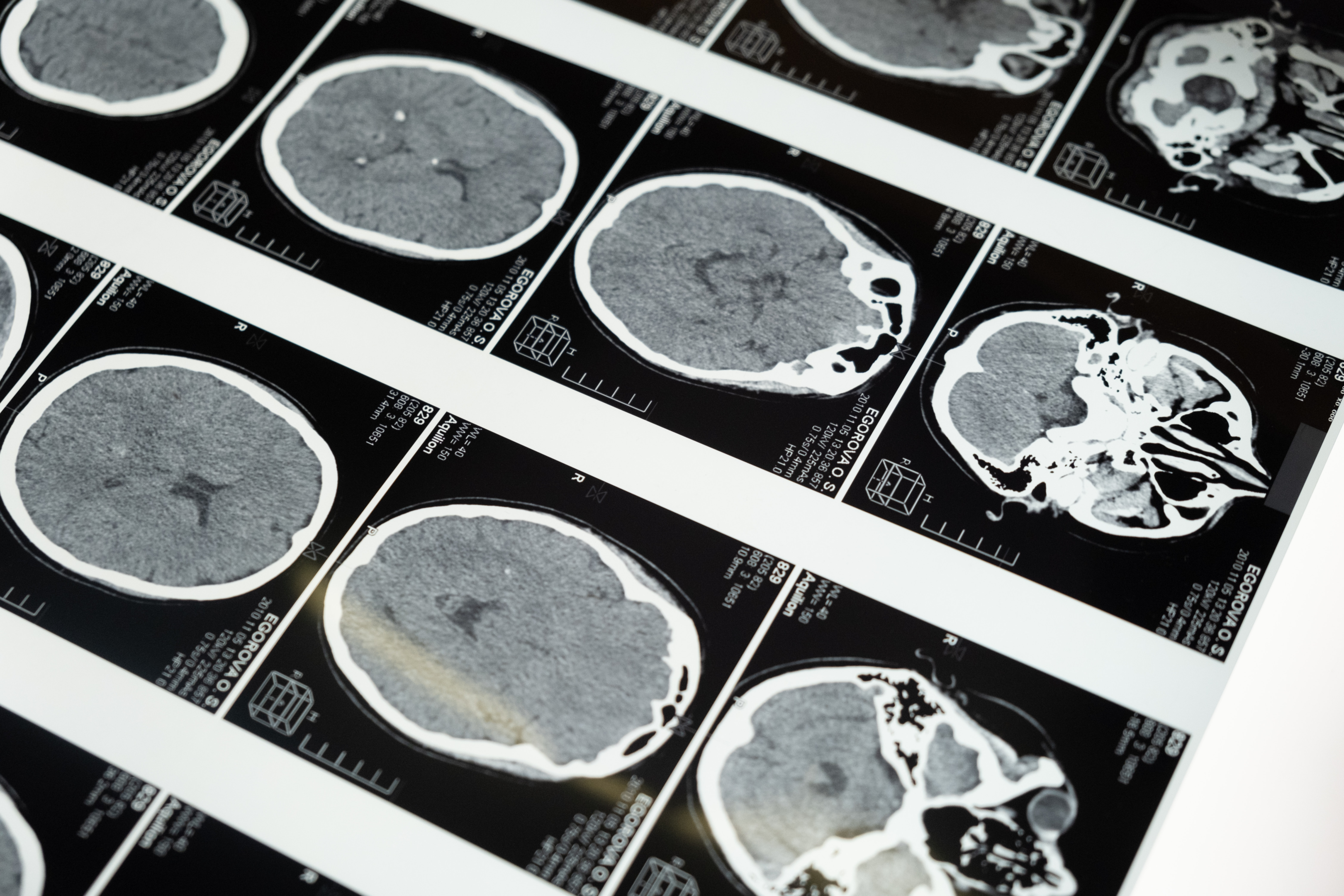
A Traumatic Brain Injury can Change a Person’s Entire Life
Additionally, they often also experience impulse control issues, an increase in hot-headed behavior, and even begin to struggle with more physical effects like blood clots or slurred speech.
What remains constant between those impacted by head injury and those who have not been affected by traumatic brain injuries is the inclination to “put a bandaid” on their wounds. Often, when people start to misuse substances, they are trying to find ways to cope with their situation and surroundings. But what they often fail to realize is that they are engaging in activities that cause them more harm than good.
It is essential to understand how those impacted by brain injury are more susceptible to substance abuse and detrimental behavior than the average individual.
What Is A TBI?
Head injuries are often no stranger to those known to have very active lifestyles, participate in high-risk activities, or are simply prone to injuries. Traditionally, a bump on the head or mild concussion is usually laughed off and not monitored as much as it should be. Shifts in behavior and moods can occur over time. It is essential to be aware of any changes in behavior patterns following such an incident.
For those unfamiliar with the concept-how, does one define a traumatic brain injury?
TBI can result when the head suddenly and violently hits an object, or when an object pierces the skull and enters brain tissue.” TBIs are much more common than one might think; it is likely that you or someone you care about have experienced a TBI and are not even aware. Subsequently, side effects, questionable behavior, and extreme drinking could have ensued.
Statistics on Traumatic Head Injury
- Over 2.8 million Americans have suffered from TBIs annually
- Approximately 155 died in the United States from injuries related to TBIs in 2014
- 50,000 people die annually
- Motor vehicle crashes–are the leading cause of TBI, resulting in hospitalization
- Violence, especially suicidal behavior and assaults that involve firearms–is the leading cause of TBI-related death
- Falls–the leading cause of traumatic brain injury among the elderly
- About 10% of all TBIs are due to assaults
- Life-long side effects of TBI have impacted over 5.3 million Americans
How Can A Brain Injury Occur?
There are many ways that one can sustain a brain injury, the most common being.
- Car accidents and crashes
- Falls
- Assaults or fights
- Athletic-related injuries- especially those in a professional setting (baseball, boxing, football, hockey, etc.)
- Injury from active duty military activities
Who Can Be Affected?
Truthfully, no one is safe from the risk of acquiring a traumatic brain injury at some point in their lifetime.
However, some specific demographics are considered at higher risk than others. Some of these demographics include:
- Active duty military
- Student and professional athletes
- More socially and physically active adolescents and adults
- Elderly who live in homes with more tripping hazards (such as stairs)
It can be painful to watch yourself or someone you care about struggling with a brain injury. The shifts in personality, change in mood patterns and behavior, and a loss of control and a sense of despair that is difficult to articulate.
What Are the Types Of TBI?
- Mild Traumatic Brain Injury. Also commonly known as a concussion. A brain injury like this affects approximately 75% of individuals who sustain a TBI. Usually, people who suffer from this form of traumatic brain injury can eventually return to their lives with no severe impairment. In most cases, only mild inconveniences to cognitive function occur with a concussion. It is considered to be highly unusual to have severe long-term effects.
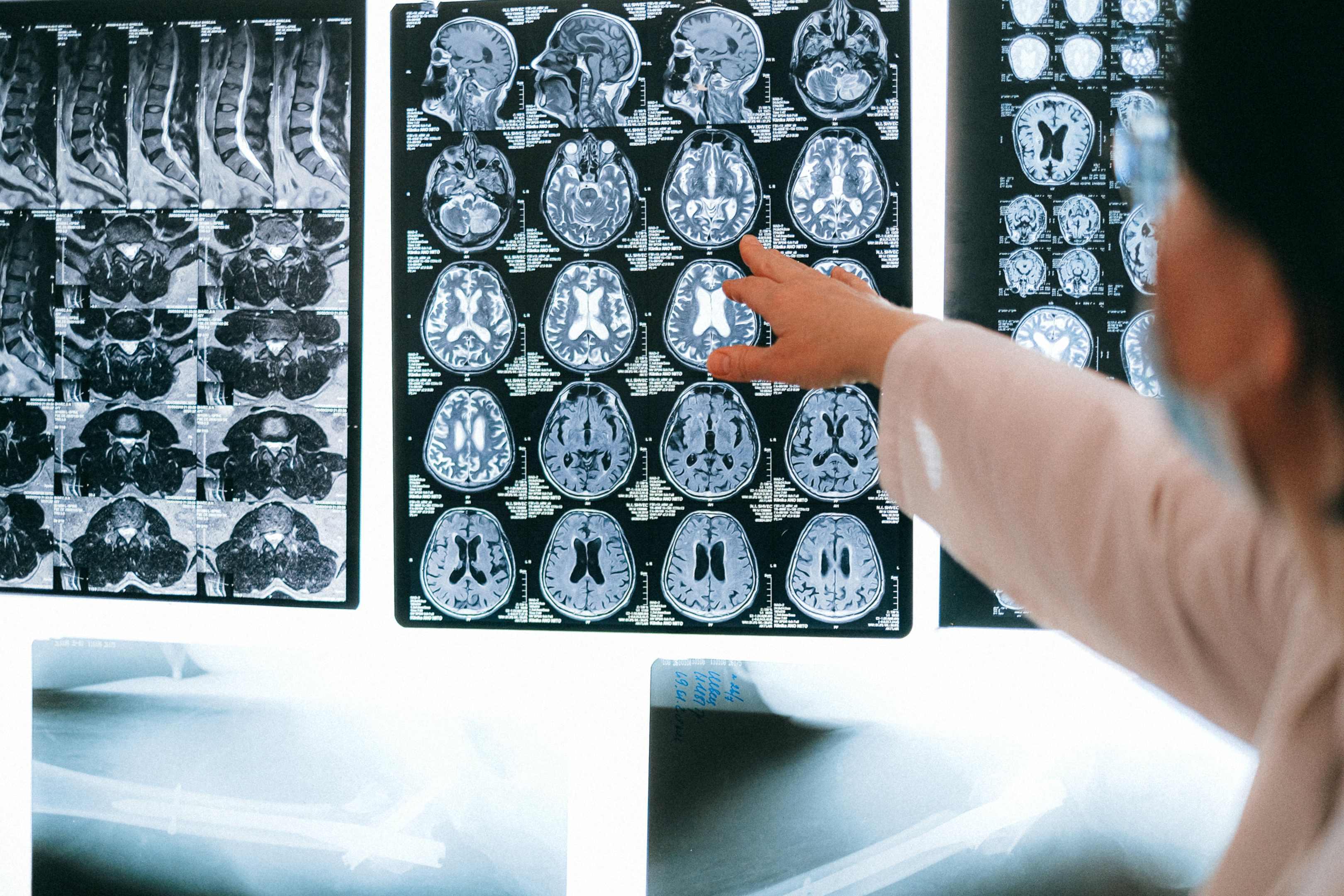
There are Several Forms of Traumatic Brain Injury
- Moderate TBI to Severe TBI. These forms of traumatic brain injury almost always result in hospitalization. When TBI occurs, they often cause short-term to life-long side effects. And in many cases, it results in untimely deaths.
How Are Brain Injuries Related To Substance Abuse?
It might seem strange at first to correlate brain injury and substance abuse. However, addiction is not always a precursor to the severe impact of brain injury. In some cases, a brain injury can cause one to feel “different.” They may struggle with more anxiety or other emotional and physical issues due to their injury. And in many substance abuses and brain injury cases, those who have experienced head trauma may turn to drink more to cope with their changing physical and emotional status.
Some other side effects of a TBI may include:
- Increased irritability
- Aggression
- Confusion
- Physical changes. in one or both pupils
- Risk of developing high blood pressure
- Higher potential to suffer a diffuse axonal injury
- Fatigue
- Problems getting adequate blood flow
- Chance of dealing with a skull fracture
- Changes in moods
- Higher risk for developing depression
- Difficulty with cognitive functions such as recall and problem solving
- Impacted more intensely by controlled and uncontrolled substances
- More prone to seizures
- “No filter,” saying and engaging in behavior that is detrimental to themselves and those around them
- Difficulty “bouncing back” from injury and sickness after experiencing head trauma
- Poor motor skills, walking, running, or basic exercises
- Increased likelihood of seizures- especially in conjunction with alcohol
Additional Side Effects and Risks of Head and Brain Injury
Those who have suffered from TBIs are almost automatically categorized for high-risk situations such as:
- A high inclination for another brain injury
- Dissatisfaction with their lives and quality of living
- Increased likelihood of criminal activity due to judgment impairment
- Increased likelihood of criminal charges and assaults
- Feelings of loneliness and isolation
- Increased risk of substance abuse
- Trouble finding and maintaining stable relationships
In some ways, it is not surprising that an individual who has experienced trauma and cognitive impairment would be inclined to self-medicate.
It’s easily accessible. Quicker. And often, no judgment or stigma from those who surround them. Seeking help for substance abuse has become so stigmatized that it is more socially acceptable to “blackout five nights a week than seek help at a rehabilitation center. And for higher-risk occupations such as those who serve in the military on active duty. It is far easier to bottle up emotions and push down the pain with a few benzos than lose their benefits, security clearance, and lifestyle.
This needs to change. We must destigmatize seeking treatment for substance abuse instead of self-medicating until we have gone down a path too far to retrieve ourselves.
What Is The Recovery Process?
Like the beginning of any new endeavor, project, or journey, we must understand that change is not only wanted but needed to live our best life. The second step is to seek out options that will help us get on track.
Every individual has different needs in rehabilitation treatment. It is imperative to contact a rehabilitation center and begin assessments to see the best fit for you.
What are Treatment Options Available To Me?
Inpatient residential or outpatient treatment are two of the most common recovery options available for those looking into rehabilitation treatment.
It is imperative to develop a robust support system that understands the struggles you are facing. This way, you have people around you that understand your needs. And ultimately help you have a long, healthy life while managing the side effects of TBI and ending excessive substance abuse.
Is Rehabilitation Right For Me? Recovery at St. John’s Recovery Place
IIf you or a loved one is struggling with the effects of trauma and substance abuse, seeking help might be the best option for you. Even so, not every drug and alcohol rehab will be well prepared enough to meet your needs.
Before you start addiction treatment while also dealing with a traumatic brain injury, you and your family will need to research your potential care facilities.
St. John’s Recovery Place can Help You and Your Brain Heal
St. John’s Recovery Place (SJRP) is a drug and alcohol rehab center dedicated to a holistic approach to healing. Here, we help people heal in mind, body, and spirit using various therapy practices.
If you would like to know more about our recovery approaches here at SJRP, please call us here at 1-833-397-3422 or visit us online. We can answer any questions you might have and assist you in enrolling in the right program for you.







Leave A Comment