


What is Ambien?
To Sleep or Not to Sleep, Behaviors, and Reactions Zolpidem Tartrate (Ambien CR) Manifest in Users
The American public struggles daily with numerous sleep issues. We rush through morning routines, work hours, class schedules, doctor’s appointments, home upkeep, physical wellness, and more. It’s no wonder we are always tired.

Americans are excellent multitaskers, eating food, talking, checking our work emails, staying up-to-date with social media, and more on a near-constant basis. Many of us believe this ability to divert our attention in several ways to be a superpower. But, in trying to manage our time to accommodate better our busy, hyper hectic schedules, we cut corners caring for our bodies and relationships. We put our health at risk for the sake of fitting more into our day. And it’s often our sleep schedule that suffers from our “accommodations” most.
How Ambien CR Came to Use in The United States
Multitasking Plays a Part in Preventing Us from Feeling Fully Awake
We overwhelm ourselves with outside stimuli and to-do lists. Ignoring our bodies’ cries for sunlight, exercise, good food, and good sleep to the point where our mental alertness and overall health are drastically jeopardized. And where our psychological and physical health is threatened, we find ourselves at risk of developing even more adverse sleep behaviors and problems.

Out of the 330 million people in the United States today, 50 to 70 million American citizens report suffering from some form of sleeping issue. 70% of adults say complex sleep behaviors rob them of sufficient rest. A sleep problem called insomnia or sleep apnea are some of the most common complex sleep behaviors an individual can encounter in the United States. Insomnia symptoms give us trouble falling asleep, and sleep apnea gives us trouble breathing. Problems like these complex sleep behaviors and other sleep problems like sex sleep walking stop us from living unencumbered lives.
As a result, healthcare professionals across the nation made it their duty to combat complex sleep behavior to relieve mental illness rates and help individuals live healthier, more restful lives.
They started their journey developing different techniques to help individuals fall asleep, prevent difficulty breathing, and stay sleeping. One of these techniques includes the development of sleep medications like zolpidem tablets (Ambien cr).
But with the development and use of the sleeping pill and other drugs came severe side effects.
What is Ambien CR?
Ambien CR, otherwise known as Ambien, Zolpidem, or Zolpidem tartrate, is sedative sleep medicine.
The term Ambien typically refers to the medication’s quick-release tablet. Ambien CR generally relates to the extended-release tablet. But individuals can use both brand names for Zolpidem in referencing the medicine.
According to the sleep medications prescription label, the drug is most commonly used to treat insomnia and insomnia symptoms. A sleeping pill designed to have fast-acting sedative effects, Ambien onsets severe drowsiness in its users to help them fall asleep quickly. Then the extended-release form of the sleep medicine kicks in to help an individual stay asleep, allowing the brain the opportunity to re-balance itself and gain sufficient rest.

On paper, taking Zolpidem sounds nearly perfect.
If you suffer from severe sleep issues or your insomnia worsens. Suppose you feel like you are never fully awake. Or, if you are experiencing suicidal thoughts as an extreme reaction to your lack of rest, taking Ambien may be the right move for you.
But it is only fair to warn you. If you take Ambien, you may be putting yourself at risk of developing a severe mental and physical dependence on the drug.
Can You Develop a Substance Use Disorder (SUD) Taking Zolpidem?
Yes. It is possible to form a SUD using or abusing Ambien CR.
Although Zolpidem works to help individuals avoid worsened insomnia and restore restful balance to the brain, that does not mean the drug comes without its own set of side effects and risks.
Compared to other drugs like benzodiazepines, Ambien’s sedative-hypnotics pose less of a threat for an individual developing a SUD on the sleep medication.
But that does not mean that the sleeping tablet is not habit-forming.
Like other medications, Zolpidem tartrate can be misused in clinical practice or diverted for use as one of many different street drugs. Many drug and alcohol abusers may abuse Ambien for its more “mild” withdrawal symptoms and general nature. But even Ambien’s withdrawal effects can onset the need for emergency medical help.
Ambien’s Role in the United States’ Mental Illness and Addiction Rates
In the United States today, millions of men, women, and children suffer from the effects of drug and alcohol abuse annually.
About half a million of those individuals reportedly use Ambien and other substances with the ability to generate the same symptoms to feed or add to their drug or alcohol ladled stupors. Substance abuse and overdose cost the United States billions of dollars each year in emergency medical treatments, court, and public service fees.
Yet even though medications like Zolpidem hold power to onset unpleasant withdrawal symptoms or severe allergic reaction alongside addiction, individuals continue to take Ambien. People primarily abuse the drug for its hypnotic side effects.

Yet, even though Ambien’s side effects can prove dangerous, especially in high doses, the drug is not considered as destructive as other types of street substances on the market.
There are different classification levels assigned to varying degrees of drug addiction. Higher-risk substances like heroin classify as Schedule I substances based on their addictive rates and symptom severity. But a substance like Ambien may be classified as a low-to-moderate risk factor or Schedule IV substance. Schedule IV drugs are chemicals or substances with a low-risk potential for abuse and dependence. But even though the risk is low, this does not mean it is impossible to develop a substance use disorder with a Schedule IV chemical.
Many cases of Zolpidem addiction are passed over by healthcare professionals in clinical settings in favor of other abuse cases. Unless the drug is used by someone who recently consumed alcohol or has co-occuring morbidity. An Ambien use disorder may not be the top priority in medical care centers unless the person develops a serious allergic reaction.
Zolpidem and Mental Illness
Although Ambien CR use disorder may not always attract the attention of an emergency room doctor, it can wreak havoc on an individual’s body and mindset.
Like other forms of drug or alcohol abuse, Zolpidem tartrate misuse can result in various adverse side effects. Many impair an individual’s ability to regulate their bodily systems and process information correctly. Since Ambien directly relates to sleeping, and our sleeping patterns directly relate to our mental wellness, abusing Zolpidem can result in several serious mental issues.
Adverse Mental Symptoms for Ambien Use May Include:
- Confusion
- Nightmares
- Memory loss
- Concentration problems
- Bursts of aggressive behavior
- Emotional blunting
- Suicidal thoughts
- Depression
- increased anxiety
- Mood swings
- Disorientation
It is even possible for these types of adverse symptoms to occur in individuals who correctly take Ambien.
How Ambien (Zolpidem) Works in Children, Adults, and Elderly Patients
Taking Zolpidem May Not Be for Everyone
Since Ambien is a Schedule IV substance, it does not often get public attention.
But just because Ambien is not a part of the mainstream narrative for drug and alcohol abuse does not mean it can be ruled out as a potential risk factor.
But even if you don’t consider Ambien’s adverse symptoms, or you are looking to start using the drug yourself. Even if you want to recommend the medicine to a loved one, you’ll need to call your doctor and do some independent research to determine the side effects of the medication.
Ambien use can affect different age ranges and people very differently.
Tell your doctor about the sleeping problems you are experiencing, and see what they say about your condition alongside the potential risks or benefits for Ambien use.
Taking Ambien may not prove a viable option for treating sleep problems in some instances.
Ambien Usage in Children:
Although clinical trials are underway to study the efficacy of Ambien CR use for children ages 17 and younger, at this point, using Zolpidem to treat children for sleep-related problems is not recommended.

However, it is possible to call your doctor to determine whether your child is unique where taking Zolpidem may be beneficial for them.
Zolpidem Tartrate for Adults:
For most adults ages 18 and older, Zolpidem is safe to treat insomnia.
But, there are a few cases in which it is not recommended an adult takes Ambien.
Generally, suppose you are not on any other medication or antibiotic. In that case, you should be fine to take Ambien with little concern. But, if you take Ambien with other forms of medicine, you risk experiencing more side effects, as Zolpidem use shares many similar symptoms with other medications. After you tell your doctor the medication you are on and your symptoms, your healthcare professional will be able to write you a prescription for a starting dose. Generally, these dosages for adult Ambien use include:
- 5mg for women (taken before bed – low dose)
- 10mg for men (taken before bed – low dose)
Typically, the maximum dosage for the medication is 10mg.
It should be taken before bedtime when you plan to get a full 8 hours sleep in, but your doctor can adjust the prescription to fit your needs. The dose you are approved for can fluctuate based on the form of Ambien you are taking.
Elderly Patients who Take Ambien CR:
Although the elderly can take Zolpidem, many doctors warn that the drug may not work as effectively for anyone ages 65 and older.

Due to the age of the liver at this point in an individual’s life, the body may not be able to process the drug as efficiently, leaving excess amounts of the medicine in your body. With excess Ambien floating in your system, you are at higher risk of experiencing more side effects with the drug’s use. If you take any additional medications, you may be at even further risk of experiencing more severe Ambien use symptoms.
Luckily, suppose you wish to use Zolpidem to help curb your insomnia. In that case, your doctor can adjust your dose to a lower amount to better accommodate your body’s processing needs.
Zolpidem Tartrate Chemical Interactions with The Brain
Ambien, also known professionally as Zolpidem, is a medication commonly prescribed to help treat/manage insomnia (a sleep disorder characterized by the difficulty of falling and staying asleep) and its associated symptoms.
The drug typically works by targeting the neurotransmitter GABA in the brain to activate. The chemical reaction between the drug and GABA receptors helps slow the conscious and unconscious thought processes and activities.
Thus, as one of many CNS depressants, the medicine allows the central nervous system to sleep.
The medication comes in short and extended-release forms; the former helps individuals fall asleep. Then the latter helps clients maintain sleep.
Ambien is not made for long-term use.
The medication is a non-benzodiazepine, sedative-hypnotic, also commonly referred to as a “z-drug.” Even though the drug is not a benzodiazepine, it was cultivated and designed to have the same effectiveness as benzos with fewer risks. The medication was made to help individuals who struggle with acute and chronic insomnia.
The ultimate goal has been mostly successful, but there are cases in which Ambien becomes the subject of abuse and dependence.
Why and How People Abuse Zolpidem
Even though the potential for abuse is low with Zolpidem, individuals can become addicted to the medication.
Doctors typically prescribe Ambien to help treat mild, moderate, or even severe insomnia. Generally, the drug acts quickly. With its sleep-inducing symptoms starting as early as half an hour after use, it should help keep a person asleep for anywhere from four to eight hours after use.
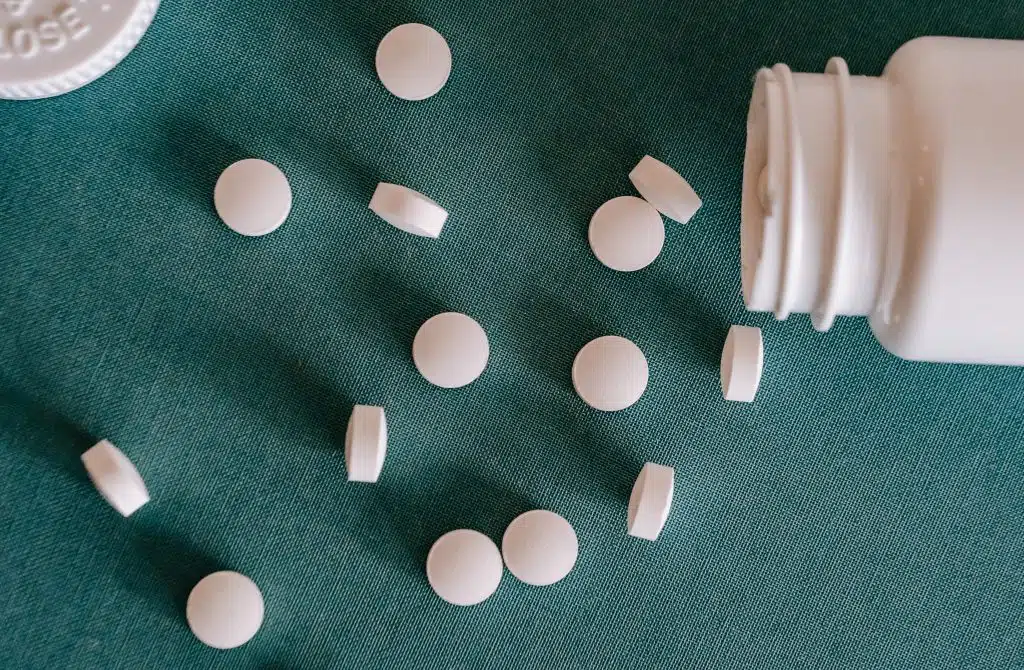
Usually, the drug comes in sublingual tablets or pills but can also come in a spray for medicinal uses.
In “recreational” circumstances, Zolpidem is crushed and snorted for more potent, faster-acting highs to occur.
Even though Ambien helps people fall and stay asleep, people abuse the drug to onset a high that washes away self-consciousness, anxiety, and insecurity. The drug can promote a sense of peacefulness, well-being, and euphoria. It is also suspected that individuals who misuse Ambien combine it with other drugs to prolong or intensify their chemically generated highs.
The reasons for misuse of any drug or alcohol are numerous. Some abuse substances to regulate themselves, some to have fun, and others by mistake.
Typically individuals who misuse drugs and alcohol are adults who grew up without learning how to self-regulate or cope with uncomfortable situations in healthier ways. But, the excellent news is Ambien abuse, and other forms of addiction are treatable!
Adverse Effects of Too Much Ambien CR:
Taking too much Ambien or abusing the medication can result in several negative effects occurring, including:
- Chest pain
- Fast, irregular heart rate
- Breathing problems
- Trouble swallowing
- Allergic reaction
- Feeling like you may pass out
These symptoms can occur in mild, moderate, or even severe extremities, causing significant discomfort in many situations and dire, dangerous circumstances in others. It can sometimes be hard to differentiate the severity of an adverse Ambien side effect from its usual use symptoms. But if you experience any of these symptoms, seek medical help immediately.
Normal Ambien CR Side Effects:
Ambien CR’s normal range of side effects that can occur in even a “best case” scenario include:
- Lightheadedness
- Daytime drowsiness
- Dizziness
- Feeling tired
- Nausea
- Upset stomach
- Dry mouth
- Diarrhea
- Stuffy nose
- Headache
- Muscle cramps or achiness
- Memory problems
- Sedation
- Problems concentrating
- Confusion
- Disorientation
- Appetite loss
- Vision impairment
Generally mild, even the normal range of Zolpidem symptoms can become problematic when the drug is used for an extensive time. Zolpidem tartrate was never meant for long-term continuous use.
Long-Term Side Effects of Ambien CR Abuse:
Abuse of Ambien can undoubtedly result in many uncomfortable side effects. But long-term abuse of the medication can bring about even more unsatisfactory, long-lasting health issues, including:
- Nightmares
- Anxiety spikes
- Digestion issues
- Lack of muscle control
- Persistent drowsiness, fatigue
- Recurrent headaches
- Muscle aches
- Confusion
- Inability to control emotions
- Depression
- Lung disease
- Worsening of kidney or liver disease (in some patients)
- Issues maintaining job
- Problems with family and friend relations
Although Zolpidem tartrate does not cause liver or kidney disease, using the medicine alongside other drugs can place the patient at risk for developing or worsening a pre-existing issue.
What to Do If You Have an Allergic Reaction to Taking Ambien CR
Not all negative symptoms of Ambien use result from abuse.
Taking Ambien is not suitable for everyone.
And in some cases, an individual can experience a life-threatening allergic reaction to Ambien.

If you begin to experience an allergic reaction to taking Zolpidem, you must get emergency medical help as soon as possible. Do not try to ride out the effects at home without the assistance of a healthcare professional. Symptoms of an allergic Ambien reaction to look out for include:
- Trouble breathing
- Swelling lips
- Swelling throat
- Swelling mouth, tongue
- Swollen face
- Vomiting
Although your local poison control center may help with other instances of toxic consumption, they are no replacement for doctoral help in an emergency.
Call 9-1-1 immediately if symptoms are severe or onset rapidly.
What to Do If Ambien CR Disagrees with You
Those who do not misuse Ambien CR and notice themselves developing concerning adverse symptoms should make some phone calls and contact their healthcare provider.
It is customary in some instances for an individual using Zolpidem not always to feel fully awake or have trouble recalling memories at times. But if you think your symptoms may be getting out of hand, make sure to tell your doctor about all that you are experiencing. If you call your doctor, you can work together to determine whether or not you should discontinue Ambien use.
And from there, you and your healthcare provider can determine whether another medication may better suit your needs.
What Happens When You Stop Taking Ambien CR
Since Ambien is rarely prescribed for longer than a 10-day duration in medical settings, a person using Zolpidem correctly will rarely experience any withdrawal effects.

Yet, in cases of abuse and addiction, a person can experience unpleasant withdrawal symptoms if they do not immediately satisfy a craving for the drug or try to quit cold turkey.
Of course, working through withdrawal is necessary for healing.
In professional care centers, nurses can manage the dangers of the withdrawal period to make the process as easy and safe as possible. Generally, when an individual attends rehab at St. John’s Recovery Place (SJRP), the withdrawal timeline lasts 1 to 2 weeks before traditional treatment. It is conducted in either a hospital or a separate care facility.
Zolpidem Tartrate Withdrawal Symptoms
Symptoms of Ambien withdrawal may include:
- Delirium
- Panic attacks
- Heightened anxiety
- Fatigue
- Nausea
- Vomiting
- Drug cravings
- Extreme mood swings
- Sweating
- Fever
- Rebound insomnia
- Shaking in extremities
- Abdominal cramping
- Flushing
In severe cases, individuals may even experience seizures.
Is it Possible to Overdose Taking Zolpidem?
If you take too much Ambien, you can experience an overdose.

Whether you abuse the drug or not, an overdose can happen. But generally, an Ambien overdose is harder to achieve, requiring copious doses of the drug.
But even smaller Ambien batches taken have been known to induce overdose depending on the individual’s body parameters and the drug’s method.
Ambien CR Overdose Signs:
An overdose is a life-threatening circumstance that onsets quickly, sometimes by mistake. Overdose symptoms to watch out for include:
- Slowed heart rate
- Confusion
- Extreme drowsiness
- Slowed or abnormal breathing patterns
- Inability to stay conscious
- Loss of conscious
- Irrational thoughts
Due to the drug’s fast-acting nature, an individual can fall into a coma quickly. You must seek emergency assistance immediately if you think an Ambien overdose is possible.
With medical intervention, an Ambien overdose is survivable. But without proper care, the occurrence can prove permanently life-altering.
Can You Drink Alcohol While Taking Ambien?
Mixing alcohol and Ambien can be risky.
If you drank alcohol and then took your dose of Zolpidem for the night, you may instigate a wide range of curious, even sometimes dangerous, side effects.

There have been some reported cases where individuals end up sleep-driving, sleep walking, sleep taking on the phone, or even making and eating food.
Although these symptoms sound amusing, some of these side effects can be incredibly dangerous, like sleep-driving. So, it may be best to avoid drinking alcohol while taking Ambien.
Ambien Addiction Treatment in South Florida
Ambien addiction may be rare, but it is real.
Without proper help, Ambien CR addiction and its side effects can have devastating consequences. But luckily, drug and alcohol rehab facilities, like St. John’s Recovery Place (SJRP), exist to help fight the growing epidemic.
Attending Drug and Alcohol Addiction Rehab at St. John’s Recovery Place (SJRP)
Here at St. John’s Recovery Place, we use a holistic approach to addiction treatment.
We focus on the cessation of using drugs or alcohol and the mindful, emotional, and physical roots that resulted in the current problem. No one ever intends to become addicted to a substance. Still, addictions form in the place where people believe they lack something in their lives. At SJRP, we want to help you rediscover yourself before drugs and alcohol took over your life.

We know addiction recovery is not easy.
Rehab can be frightening and uncomfortable to work through. But healing greatly outweighs temporary discomfort.
Here at SJRP, we treat everyone like family from the moment they step through our doors. We want to be your cheerleaders through every success and setback on the path of healing. Let us help you today!
Want to know more about SJRP, rehab campus, or our traditional and complementary treatment services? Call us today at 1-833-397-3422 to learn more! You’ll be happy you made the call.







Leave A Comment