


While many drugs can become habit forming, some are considered more addictive than others based on the effects they have on the brain and body. You may assume that illegal drugs such as heroin or cocaine are the most addictive drugs. Availability and accessibility, however, increase opportunity for drug abuse and make some common, legal substances more addictive than others.
What Makes a Drug Addictive?
Addiction is a brain disease. It is the compulsive, repeated misuse of drugs and/or alcohol, despite knowledge of the consequences. Exposure to a drug over an extended time creates physical changes to the brain, hence, it is not only a mental health condition but a complex brain disorder as well.
Every drug is going to have different effects, and the effects may vary from person to person. However, the one common denominator for all addictive substances is that they produce a surge of dopamine in the brain, affecting the brain’s reward system. Dopamine is what causes us to feel pleasure and satisfaction.
Some of the most addictive drugs are ones that significantly increase dopamine in the brain. Our brain learns to correlate the drug – and consequently the people, environment, or even objects associated with using – as extremely pleasurable. Mere anticipation of these things is enough to raise dopamine levels and cause intense drug cravings.
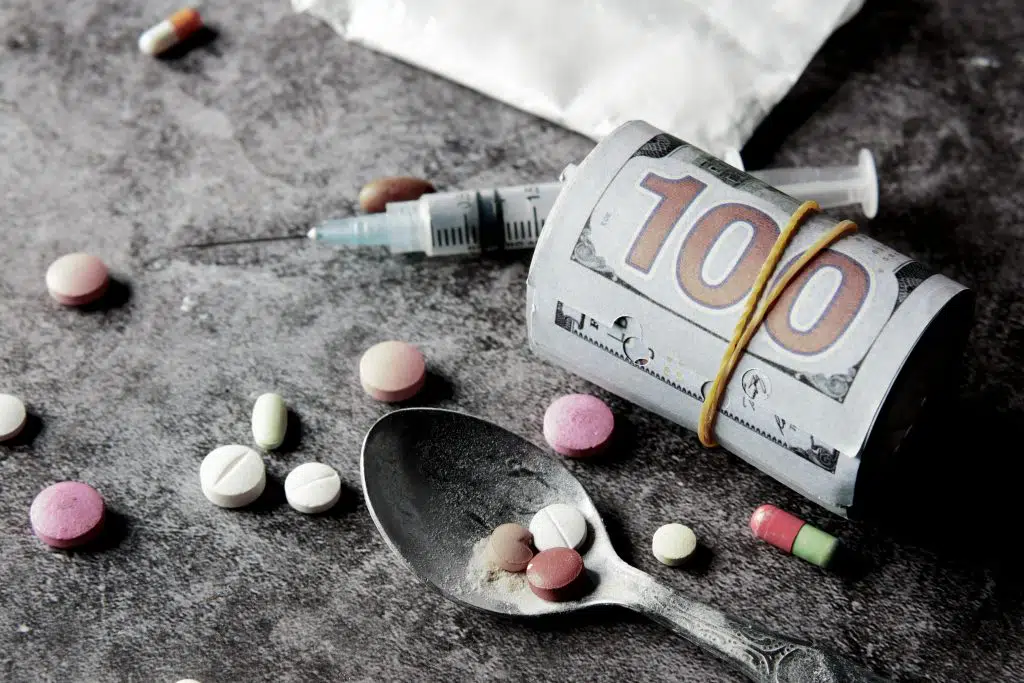
8 Most Addictive Drugs
Amphetamines
Amphetamines are a central nervous system stimulant known to increase energy levels, concentration, confidence, and sometimes euphoria. Prescription amphetamines are commonly used to treat hyperactivity (ADHD), narcolpesy and sometimes depression.
Though not high on the list of most addictive drugs, amphetamines are easy to acquire and very habit forming, especially for young adults. Known as the “study-drug“, amphetamines are primarily misused by students and athletes to increase wakefulness, concentration and performance. As they are also appetite suppressants, amphetamines are sometimes misused for weight loss purposes.
Amphetamines are taken orally or injected. Long-term abuse results in, among other symptoms, psychosis resembling schizophrenia.
Amphetamines are prescribed as:
Adderall®, Concerta®, Dexedrine®, Focalin®, Metadate®, Methylin®, Ritalin®
Common street names include:
Bennies, Black Beauties, Crank, Ice, Speed, Uppers

Benzodiazepines
Benzodiazepines, “Benzos”, are a type of sedative that calms a person by raising the levels of a specific neurotransmitter in the brain called GABA. The drug helps ease feelings associated with anxiety and is often prescribed for individuals suffering from anxiety or insomnia. Mixing benzodiazepines and opioids is extremely dangerous and has been shown to increase overdose deaths tenfold.
These addictive drugs are used orally or crushed and snorted. They are one of the most commonly prescribed psychotropic medications as well as one of the most frequently abused drugs in the US and worldwide due to their calming, numbing effect and ease of accessibility.
Benzodiazepines are prescribed as:
Valium®, Xanax®, Restoril®, Ativan®, Klonopin®
Common street names include:
Benzos, Downers, Nerve Pills, Tranks

Crack/Cocaine
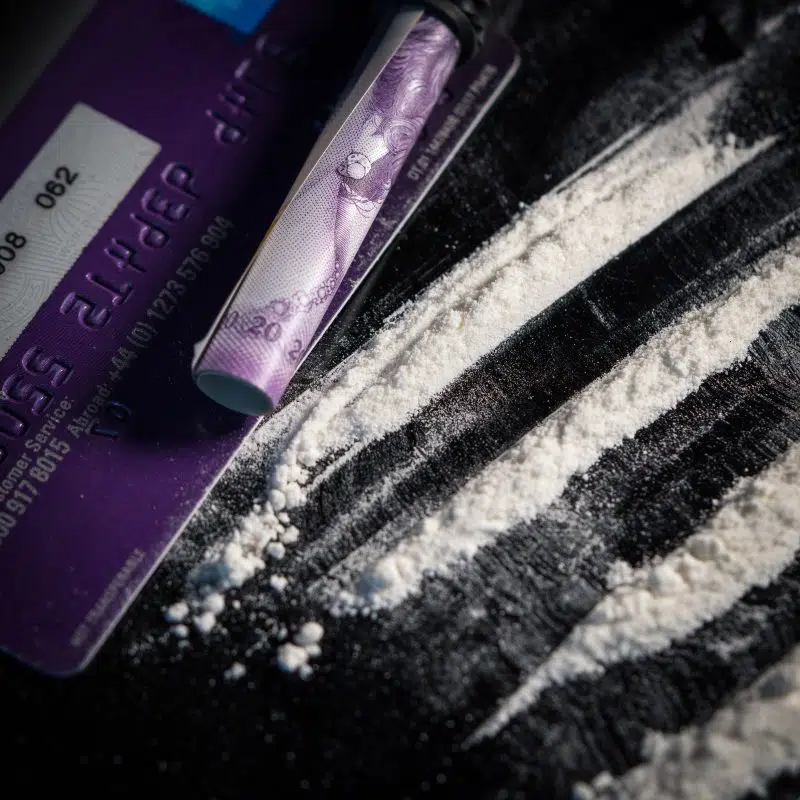
Cocaine, commonly referred to as Crack or Crack Cocaine, is a powerful and highly addictive drug. Originally developed from the Coca Plant for medicinal purposes, it was quickly discontinued after it became evident that it caused intense psychological addiction.
Considered a stimulant drug, it increases dopamine levels in the brain and affects the brain’s reward system. Most cocaine users experience an intense high with feelings of euphoria, mental alertness, significantly increased energy, and hypersensitivity to basic senses such as sight, sound and touch. However, they may also feel irritable and paranoid, and the crash that follows the high is mentally and physically exhausting.
Crack cocaine crashes are usually the most intense and unpleasant of all other drugs, including powder cocaine. Many addicts will go through cyclical binges where they use the drug for several days until they are too exhausted or run out. The crash that follows often lasts longer than the original high as the body needs several days of recovery. As withdrawal symptoms and cravings set in, cocaine users quickly repeat the cycle.
As the name implies, crack cocaine looks like small white rocks. Crack cocaine is smoked while powder cocaine is snorted, or dissolved in water and injected.
Common street names include:
Coca, Coke, Crack, Crank, Flake, Rock, Snow, Soda Cot
Prescription Opioids
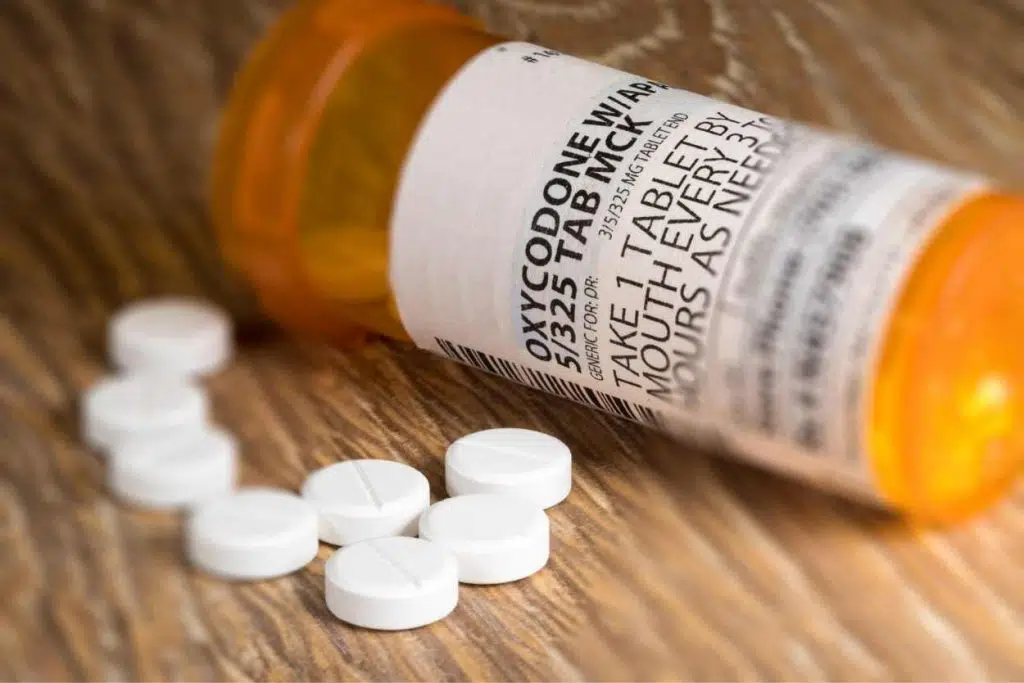
Prescription opioids are used for post-surgical pain management and to manage chronic, severe pain. Opioids affect the brain by blocking pain signals and create feelings of relaxation and euphoria. Under medical supervision these prescription drugs are safe to use to relieve pain but must be closely monitored. Chronic users can build up a tolerance that may eventually lead them to become physically addicted.
In the 90s, over-prescription and mismanagement of these “painkillers” led to the opioid epidemic that is currently ravaging our country. According to the National Institute on Drug Abuse, over 14,000 people died in 2019 as a result of prescription painkiller overdose. Sadly, as a result of the pandemic, preliminary data from the CDC shows an almost 31% increase in opioid overdose deaths in 2020.
Prescription Opioids are prescribed as:
- hydrocodone (Vicodin®)
- oxycodone (OxyContin®, Percocet®)
- oxymorphone (Opana®)
- morphine (Kadian®, Avinza®)
- codeine
- fentanyl
Heroin
Heroin is often listed as the most addictive drug. It is a highly addictive opiate (narcotic) made from morphine. Originally produced on a commercial scale in the late 1800s, it was deemed a “wonder drug” as it was more effective than morphine and codeine to.
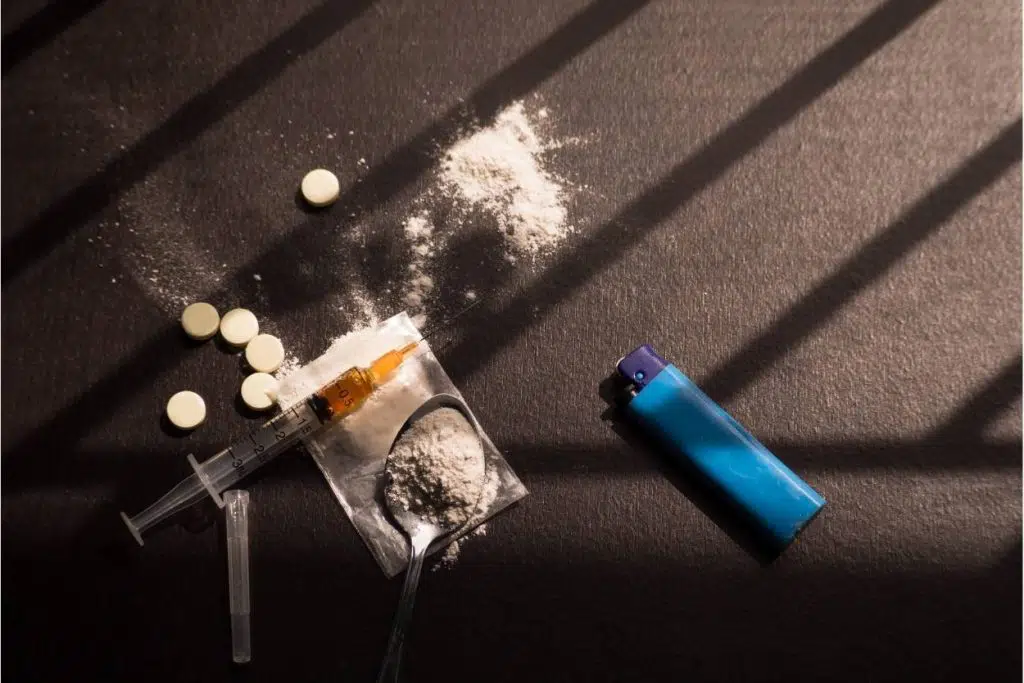
Heroin is produced as a white or brown powder, or a black sticky substance known as “black tar heroin.” This addictive drug is typically injected, smoked, or sniffed/snorted.
Throughout its journey from smuggler to vendor, heroin is often cut (diluted) with a variety of substances such as powdered milk, sugar, baking soda, laundry detergent, fentanyl, etc. As a result, heroin users are particularly susceptible to overdose, medical emergencies, and unknown side effects.
Heroin addiction has come in waves throughout its history, with the most recent influx as a direct result of the overprescription of opioids in the 90s. As new laws made it harder for individuals to get their hands on prescription opioids, heroin became an easy, accessible, and cheaper alternative.
Common street names include:
Big H, Black Tar, Chiva, Hell Dust, Horse, Negra, Smack, Thunder
Methamphetamine
Methamphetamine, also known as meth or crystal meth, is a stimulant that affects the central nervous system. It was originally produced for the treatment of narcolepsy and asthma, and is still sometimes, albeit rarely, used to treat ADHD and obesity. It is both a highly effective and highly addictive substance.
Methamphetamine comes in powder or pill form. When cooked with over-the-counter drugs, it is altered into a substance that looks like crystals or glass fragments and is called Crystal Meth. Meth is smoked, snorted, or injected, and produces a short, intense high, with long lasting effects.
Crystal meth users find quitting particularly difficult because of intense cravings and severe withdrawal symptoms. Chronic use results in long-lasting side-effects including directly changing how the brain functions. These changes result in impairments to motor skills, verbal learning, emotion and memory.
Crystal meth is also often considered as the most addictive drug. Methamphetamines remain in the brain longer and increase levels of dopamine in the brain more than any other addictive drug. This is one of the primary reasons why crystal meth addiction develops so quickly.
Methamphetamine is prescribed as:
Desoxyn®
Common street names include:
Meth, Speed, Ice, Shards, Bikers Coffee, Stove Top, Tweak, Yaba, Trash, Chalk, Crystal, Crank, Shabu
Alcohol
Alcohol is a depressant that slows down brain functions and when consumed in small amounts, reduces anxiety. Availability and widespread use make alcohol the substance with the most addiction cases worldwide. Alcohol addiction is a disease that impacts 14.1 million American adults aged 18 and older.
Alcohol is so socially acceptable and ingrained in cultures around the world, it’s no wonder it’s one of the most addictive drugs.
Chronic alcohol abuse affects the brain as well as most body organs, particularly the liver, pancreas and heart. Most alcoholics assume they can quit drinking whenever they want but don’t realize just how unbearable alcohol withdrawal can be. From nausea and vomiting to intense anxiety, insomnia, and tremors, withdrawal symptoms frequently results in relapse.

Nicotine
Nicotine, though not technically thought of as a drug, is actually considered one of the top addictive substances. It can be just as addictive as heroin or cocaine. Nicotine is an addictive stimulant drug added to cigarettes, tobacco, e-cigarettes, and e-vaporizers.
In addition to heart and lung disease, diabetes, and stroke, this addictive drug can lead to a variety of cancers. At least thirty percent of all cancer deaths have been linked back to cigarette smoking. And it’s not just lung cancer, but cancers of the mouth, throat, voice box, stomach, kidney, pancreas, liver, bladder, cervix, colon, rectum and a type of leukemia as well.
Most people looking to quit smoking will attempt doing it “cold turkey” where they suddenly stop all use. However, the physical dependence can be hard to break. Fortunately, there are a wide variety of addiction treatment options available, including behavioral therapies and medications that can help individuals break their physical addiction.

Are You at Risk of Drug Addiction?
There are many reasons why some people are more susceptible than others to succumb to the addictive nature of drugs. There is no standard formula, risk factors for addiction can be genetic, environmental and/or developmental.
Risk Factors for Addiction
- Individual Biology – People react to substances differently and their brain and body may simply not like the effects. This is a big factor that can determine a drug addiction.
- Mental Health – People who suffer from mental health issues such as depression, anxiety, or attention-deficit/hyperactivity disorder (ADHD) are more prone to addiction because drugs affect the same parts of the brain as mental health problems do. People with mental health issues are also more likely to misuse drugs to alleviate their conditions.
- Home Issues – Unfavorable home situations, wether past or present, generally lead to unhappiness and a propensity to misuse legal and illegal substances as a form of escapism and avoidance.
- Social issues – Difficulty making friends or troubles at school or work can lead individuals to start misusing addictive drugs as a distraction and eventually lead to addiction.
- Bad Influences – If a person is spending time with other people who are using addictive drugs, they are likely to be encouraged to use drugs as well.
- Early Exposure – Kids exposed to drug use at a young age are more influenced to try them. Consumption of addictive drugs significantly affects their still-growing brains and bodies. If they don’t become addicted as children, they are still more susceptible than others to becoming addicted as adults.

Impacts of Substance Abuse: Affects of Additive Drugs and Drug Use
Most people understand the impacts that drug or alcohol use disorder can have on an individual. These effects can be physical, mental, short- and long-term. However, many don’t think about the ripple effects on an individual’s family and community, or the financial implications that span social, physical, mental, and public health issues. Such impacts include:
- Spread of HIV/AIDS
- Spread of sexually transmitted diseases (STDs)
- Teenage Pregnancy
- Domestic Violence
- Child Abuse
- Physical Altercations
- Motor Vehicle Crashes
- Crime
- Homicide
- Suicide
Treatment of Drug or Alcohol Addiction
According to the 2018 National Survey on Drug Use and Health, approximately 3.7 million people (12 and older) received addiction treatment that year. Yet, this is only 17.5% of the 21.2 million people suffering from substance abuse.
Substance Use Disorders (SUDs) are complex, often deep-rooted and co-occurring with mental health issues. Comprehensive rehabilitation programs, such as the one at St. Johns Recovery Place (SJRP), utilize a holistic approach to treatment to address all the needs of the individual and focus on healing psychological, physical, spiritual, and emotional elements of life.
Such an approach is oft associated with the best outcomes for long-term sobriety.

Struggling with Addictive Drugs? SJRP Can Help!
If you or someone you love is struggling with a substance use disorder, contact us or call our admissions team at 833-397-3422 to learn more about the treatment programs available at our Florida drug and alcohol detox and rehabilitation center.








Leave A Comment