


DBT Residential Treatment Centers Florida: We as humans can have a rough time trying to figure ourselves out, even on a good day. We get sad or mad, and there are even times we become happy or our mood changes suddenly.
Now, for the most part, mood swings, feeling sad, or getting happy out of nowhere can be pretty everyday occurrences. Humans are emotional beings. And most of us have to work hard to build our rationality up so that we gain mastership of our emotional control.
 Anxiety Disorders and Other Mental Health Problems Make it Hard to Empower Clients
However, mental health issues, substance abuse, and co-occurring disorders can make it difficult for people to practice healthy coping skills and emotion regulation.
Mental illness is no joke.
Millions of people in the United States struggle with chronic mental health concerns. Here is why dialectical behavioral therapy comes into play.
Exactly What is Dialectical Behavior Therapy?
Intense emotions demand to be felt. There is no escaping the effects of your primary mood. Of course, some people better control their intense emotions than others. Generally, researchers have found that young adults are the most common individuals struggling with emotional control, which is entirely fair. Most of the time, older individuals have already found an effective method that works for them to boost their mindfulness techniques and problem-solving skills.
Even so, there are still many clients (of all ages and backgrounds) who can benefit from developing new coping strategies and life skills.
Psychiatric services are among the best places for adult clients and children to learn new practical strategies for living life and controlling emotion. There are many evidence-based therapies individuals can benefit from using.
Whether you struggle with a substance use disorder, have eating disorders, or other mental health issues. Dialectical behavior therapy (DBT) treatment programs may be the perfect talk therapy for you.
In Individual Therapy or Group Therapy, DBT Focuses on Changing Life-Threatening Behaviors
DBT, otherwise known as dialectical behavior therapy, is a form of cognitive-behavioral therapy (CBT). Talk therapy to be administered in individual and group sessions, dialectical behavior therapy programs are trauma-informed care approaches. As treatment options, DBT programs help clients develop practical strategies to improve their emotional responses to outside stimulation.
From teaching anger management to dealing with the psychosocial aspects of bipolar disorder, substance abuse, and more, a DBT program and treatment team help enhance the recovery process. A comprehensive approach to prevent repeat hospitalizations and raise the chances for a lasting recovery, not every treatment center teaches DBT skills.
Still, residential treatment centers in Florida use DBT and motivational interviewing abundantly.
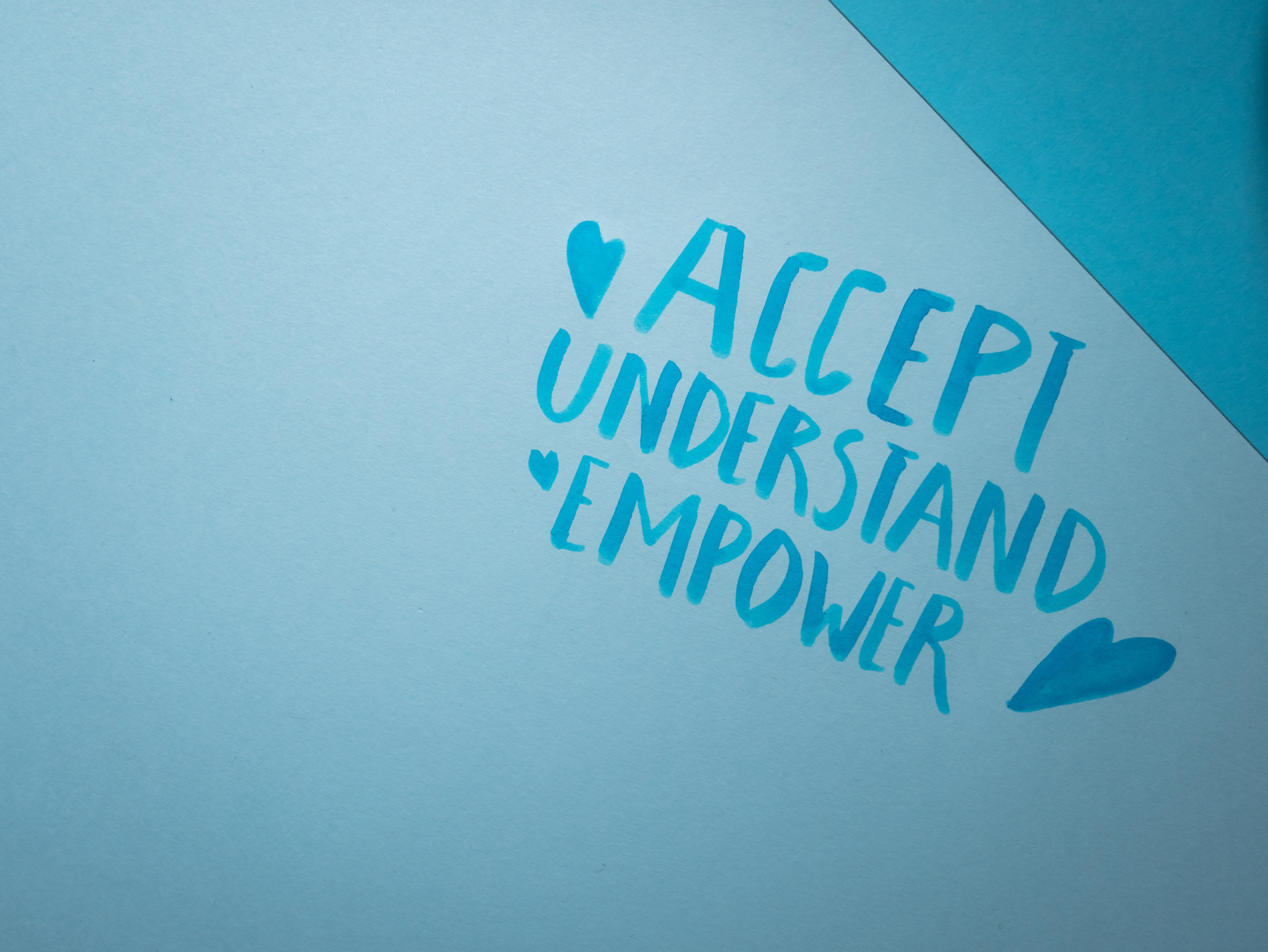
Teaching DBT Skills in Mental Health Treatment Helps Empower Clients
And they don’t stop at letting clients learn how to intercept therapy interfering behaviors in a residential treatment center.
Clinical professionals in a DBT program will teach their clients how to use dialectical behavior therapy skills daily.
DBT residential treatment centers utilize this therapeutic method to help clients suffering from addiction and substance abuse disorders identify and recognize damaging thought patterns.
An Important Distinguishing Factor of DBT is its Emphasis on Learning How to Tolerate and Accept Distress
A DBT program in mental health treatment focuses on helping clients learn how to identify damaging thought patterns and ideas they hold. And once a client becomes aware of how their feelings influence their thoughts, a good DBT treatment program will teach clients how to embrace and accept their emotions.
Learning how to accept one’s feelings allows pain to be felt without shame.
Once clients learn how to accept their feelings, they can better understand themselves. After they accept themselves, they can begin to use dialectical behavior therapy techniques to restructure their thoughts. Thus, they can take control of their thoughts and emotions.
DBT methods are usually used to treat suicidal behaviors or borderline personality disorder. But, the treatment program can be used for other self-destructive behaviors too.
Dialectical Behavior Therapy and Its Therapeutic Uses
Dialectical behavioral therapy (DBT) is a form of cognitive-behavioral therapy. Mental health professionals have treated many harmful, even life-threatening disorders using this treatment.
Some of the mental health disorders dialectical behavior therapy most commonly treat include:
- Eating disorders
- Substance use disorders
- Post-traumatic stress disorder

A Dialectical Behavior Therapy Program Has Many Uses
- Anxiety disorder
- Borderline personality disorder
- Suicidal behaviorAnd other forms of personality disorder or life-threatening behaviors. Even though DBT is usually used in borderline personality disorder treatment, comprehensive talk therapy has proven very helpful in addiction treatment.They are typically used in conjunction with other holistic healing practices in drug and alcohol addiction rehabs. Dialectical behavior therapy helps clients work towards a sustained recovery.
How DBT Works to Treat Substance Abuse and Mental Health Issues
There are four modalities that DBT works to focus on and six general points of treatment that almost every therapist uses in their sessions. These four modalities include:
- Interpersonal effectiveness
- Distress tolerance
- Mindfulness
- Emotion regulation
Each of these modalities is used to help teach clients new forms of self-regulation and coping skills development.
Guided by the aid of a licensed therapist, clients work to incorporate each DBT modality over time. Their therapist introduces them to the next skill as they begin to grasp the concept well enough to use it.
By the end of treatment, the client should be able to use all four modalities successfully.
Initially, DBT Helped to Treat Borderline Personality Disorder
Learning how to use DBT skills allows clients the time to get comfortable with one skill before moving on to the next lesson.
As they become more comfortable using different modalities, they learn to be more flexible with themselves.
In the end, they are more capable of extending grace to themselves. But they also learn how to become masters over their thoughts and emotions.
The Six Main Points a Dialectical Behavior Therapy Program Works to Instill in Clients
Of course, emotional mastery does not occur overnight. And each client is subject to finding a coping method that works better for them than the others do.
Still, this adds to the benefits dialectical behavior therapy has to offer. As individuals learn more ways to balance themselves, they can better create new coping mechanisms in the future to help them continue the recovery process.
DBT therapists help clients learn the different treatment modalities by:
- Assisting clients to accept situations that occur around them and to them
- Help clients change their oriented strategies
- Teach interpersonal effectiveness and communication
- Help clients learn different methods of distress tolerance
- Assisting clients in practicing emotional regulation
- Allows clients to learn skills that help them work through a variety of mental health issues in real-time
DBT sessions, like other forms of substance abuse and addiction treatments, can be tailored to fit the needs of each client.
Although each modality is typically integrated into the client’s network of skills six weeks at a time, therapy sessions can be extended or shortened to fit the needs of the individual.
Finding Treatment for Mental Health Disorders
Now that you know more about dialectical behavior therapy (DBT) and what it does, it’s time for you to find a treatment program that will work for you.
Not everyone who uses DBT treatment has a borderline personality disorder. Similarly, not everyone is struggling with substance abuse or co-occurring conditions when seeking treatment.

Finding DBT Treatment Near You, Isn’t as Hard as You May Think
Regardless of your reasons for seeking out dialectical behavior therapy, we assure you there is a recovery center or network for you.
Florida Sports Many Flourishing Treatment Programs and Networks
All you need to do is start searching for a program based on your specific needs. If you are looking for an addiction treatment program, you can talk to your doctor about recovery options.
Or, you can conduct an internet search similar to one of these:
- DBT treatment programs near me
- Dialectical behavior therapists near me
- DBT centers in Florida
And so on. We promise you that finding a center that offers DBT programs in Florida will be easier than you think.
What you need to make sure of is that the treatment center is willing to work with you, for you.
Addiction Treatment at St. John’s Recovery Place
A tried and true method of addiction treatment, DBT helps thousands of individuals gain the skills they need to face the real world post-rehab.
And as a tried and true addiction rehab center, St. John’s Recovery Place (SJRP) offers clients the opportunity to engage in dialectical behavior therapy treatments. Here at SJRP, we believe in a holistic approach to healing. Incorporating traditional treatment services with alternative therapies and more, we help clients heal in mind, body, and spirit.

St. John’s Recovery Place Offers Dialectical Behavior Therapy Treatments
If you or a loved one struggles with alcohol addiction or drug abuse, enrolling at St. John’s Recovery Place (SJRP) can help you enter long-term recovery.
Sober living is not always easy, but it is worth the effort you put into your recovery. And DBT can help you build a skill set that allows you to support yourself more effectively even after professional drug and alcohol rehab ends. Suppose you would like additional information about SJRP, its DBT programs, locations, and more. In that case, you can call the rehab facility today at 1-833-397-3422. Or, visit us online.
Please help us, help you, and contact us today to start your journey to recovery. You’ll be glad you called.







Leave A Comment