


Today, when people think of addiction, their next thoughts are often 0f alcohol and drug treatment centers and striving for a life of sobriety.
They consider the hardships addictive substances have on a person’s life circumstances including financial problems, work issues, and social implications.

A Life of Sobriety is Not Just for The Recovering Addict
Striving for Sobriety
A drug or alcohol problem takes over a person’s whole life. As they suffer the side effects of using alcohol and drugs, their entire family struggles alongside them. Drug and alcohol abuse disorders are chronic mental health conditions. And as such, these disorders often need the help of a drug or alcohol recovery program with trained medical professionals to overcome.
Through a structured recovery process that includes addiction medicine, support groups, and therapy, individuals attending a quality drug and alcohol recovery treatment center will have far better chances of long-term sobriety.
But learning techniques for preventing relapse and living a healthy lifestyle are only a portion of the equation. Recovery is a lifelong process and individuals also need the emotional support of friends and family to help them stay sober. But, what many people don’t realize until they’ve tried to live in sobriety, is how much drugs, and particularly alcohol, are ingrained in our society and day-to-day lives.
This is where having friends who choose to live sober for reasons other than addiction can be tremendously helpful.
Why a Recovering Addict Needs a Friend Who Engages in Total Abstinence
Staying sober is a lifelong process, a friend who engages in total abstinence can help a recovering addict work through social gatherings, common triggers, and more.
Research shows that the presence and support of a reliable loved one can make all the difference as a person works to overcome an addiction to alcohol or drugs.
However, few people point out the importance of having a person dedicated to total drug and alcohol abstinence in a recovering addict’s corner!
Because, who would think that pursuing sobriety could apply to individuals outside of recovering addicts? Many people do not realize that sobriety is a lifestyle choice that anyone can make at any time in their life. But it’s true!
Millions of men, women, and children in the United States dedicate themselves to never using drugs and alcohol. These individuals can make great support systems for recovering addicts looking to prevent relapse.
But who would choose such a lifestyle if they didn’t need to follow it? And what would a sober life look like without the cravings of addiction?
3 Reasons Why People Choose Sobriety
Is the concept of choosing sobriety and abstinence, off-putting? We as human beings tend to have a hard time understanding and accepting new information, especially about a somewhat “taboo” subject. But, we are all curious creatures. Most of us will need additional information about a topic, how it works, and why people choose it, before we begin to accept it.
This happened even when we learned that addiction is a disease and not a choice. And it can happen now when speaking of abstaining from drugs and alcohol outside the scope of addiction.
There are many reasons why a person may decide to commit their life to sobriety.
In some cases, it is to help a loved one fighting addiction avoid relapse and achieve lasting recovery. For others, it could be to avoid negative side effects like anxiety, depression, or loss of control. And at times, it’s to pay tribute to a higher power.
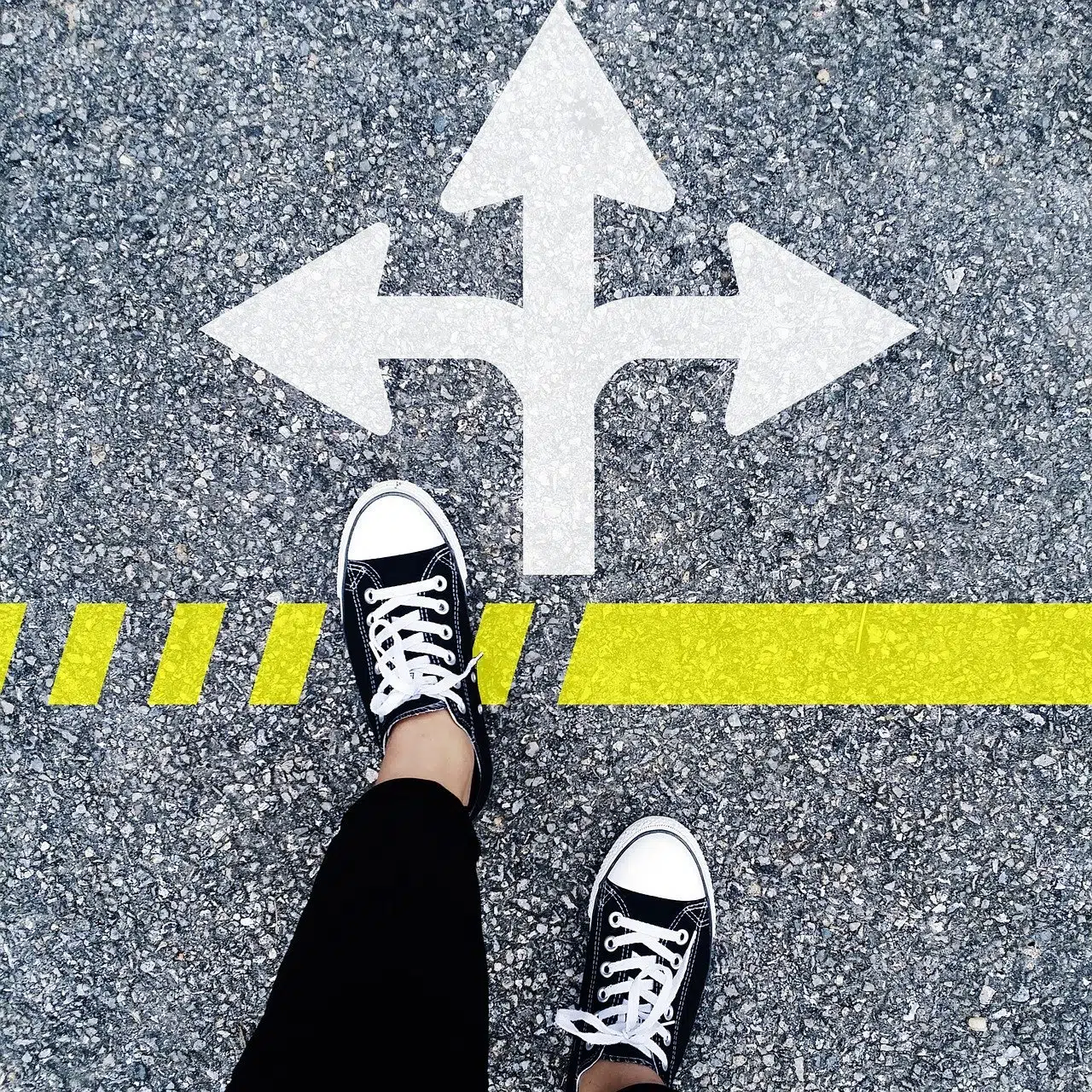
Why Some, Outside of Addiction Treatment and Recovery, Choose The Pursuit of Sobriety
There are many reasons why an individual may choose to live in abstinence. It is generally personal, and not an attempt to shame anyone who uses medications, drinks alcohol, or suffers from an abuse disorder. It may sound foreign, but plenty of people pursue this course in life.
To better understand these individuals, here are three common reasons why people choose to live a sober life, even if they are not recovering addicts:
-
Family History of Substance Abuse:
Yes, normally, it may sound strange for someone to refuse certain types of medications or even refrain from drinking. But addiction is a disease that is influenced by genetics. Studies show that genes are about 50% responsible for not only addiction but also, one’s ability to quit. The remaining is a mix of other factors, including the environment in which we were raised and early exposure to drug and alcohol abuse. Thus, some young people refuse to try alcohol or use certain medications because of the risk it could pose them of developing a substance abuse disorder of their own. They’ve “been there, done that;” experienced the hardships, and choose to live a sober life for their peace of mind and protection.
-
Desire to Experience Authentic Feelings:
As mental health, quality of life, and self-improvement become more prominent in today’s society, more individuals are becoming “sober curious” and turning to abstinence. Why do we need drugs and alcohol to have fun? Why is it so socially acceptable to be under the influence and essentially, inauthentic to one’s self?

Addictive Substances Can Cause People a Lot of Physical and Mental Pain
Today, many people choose to pursue a sober lifestyle, even without ever having experienced addiction, because they want to continue sharing realistic and authentic feelings and thoughts in every atmosphere. They want to know that moment of bravery was all their own; that second for re-composure was brought on by themselves. Self-awareness and conscious self-control are becoming more and more popular for some individuals seeking balance in a topsy-turvy world.
-
Protection of Internal Systems and Preventive Medicine:
Drug and alcohol use typically comes with a long list of short- and long-lasting effects.
Emotionally, mentally, and physically, drinking and using drugs impacts every human system in the body, even with limited use. Addiction increases these effects by an enormous number, eventually altering an individual’s appearance and personality until, in some cases, it is nearly unrecognizable.
Drinking alcohol constantly can lead to weight gain and skin issues. Using certain drugs can cause mouth, teeth, or skin problems and severe weight loss. These are only a few of the superficial issues that can occur, let alone the myriad of severe long-term physical and mental health problems.
Individuals focused on taking care of their bodies internally have begun to shun drinking and everyday medication use. Instead, they turn to tea drinking, working out, using essential oils, and more natural alternatives to medications. They view abstaining from drugs and alcohol as preventative medicine, allowing the body to avoid many of the health issues substance use can cause down the road like developing type II Diabetes, liver issues, and more.
Abstinence as a Choice
If you look into it, you’ll find dozens of reasons why individuals may choose to pursue sobriety, even if they have never struggled with substance abuse or drug addiction.
Some people refuse to use medications because of a mother, father, or grandparent who struggled with an opioid use disorder. Others will refuse to drink because they don’t like how alcohol makes them feel; they do not like being out of control of their own mental and physical faculties. And some will choose to pursue a sober lifestyle to support a family member or friend in recovery, giving them a comrade who will not drink or use drugs and help keep them accountable.
The reasons are plentiful. An abstinent lifestyle may not be for everyone, but it truly is not as dull as it may sound to some.
A sober lifestyle is healthy, fulfilling, and, yes, fun!
Shaping Our Perspectives on Sober Lifestyles
2020 was a challenging year for everyone. With unprecedented circumstances and unknowns facing a pandemic, many businesses, activities, and safe havens closed their doors. Pursuing sobriety for recovery clients became even more difficult as their support system options began to close down around them.
But despite the frightening challenges, communities also started banding together. Through zoom calls, messages left in windows, and balcony dance parties, society found ways to re-connect and instill hope in each other.
As people gained the opportunity to spend more time with their immediate family, and at the same time others lost loved ones to disease, the importance of being present in life became very transparent.
Amidst all the crazy, a spotlight was placed on mental and physical health and people started recognizing the importance of bettering themselves. Mindfulness and living a life filled with enjoyment and purpose became a priority for many individuals.
In a world where potent medications are used frequently to help treat health issues and drinking is a normal part of everyday life, it can seem like an extraordinary concept that someone who does not suffer from a substance use disorder would try and live a life of sobriety. But the pandemic may have shifted that mindset for many individuals.
Fostering Hope for those in Addiction Recovery
People who choose to live a normal life 100% free of alcohol and drug use help the recovery community greatly, allowing hope to foster in the hearts of those working towards healing. These individuals become the perfect friends for those in recovery. They can go out and participate in sober activities together without making the other one feel uncomfortable.
As more people pursue a life of sobriety, more local businesses and entertainment centers work to provide opportunities and activities for the public to enjoy that do not involve alcohol.
Likewise, the more individuals inquire about holistic medicines, the more doctors research and provide alternative treatment opportunities that are safer, more natural, and easy on the body.

Rehab Can Teach Relapse Prevention, But Person Who Practices Total Abstinence Can Be the Best Support For a Recovering Addict
Living an abstinent life is not hard. There are plenty of activities and adventures you can enjoy without drinking. And there are many ways to help treat yourself for chronic health issues without harsh drugs like opioid-derived medications. Some of the activities people enjoy include:
- Hiking
- Surfing
- Swimming
- Biking
- Walking
- Kayaking
- Fishing
- Beach lounging
- Art Gallery Walks
- Museum Tours
- Botanical Garden Walks
- Car Shows
- Craft Fairs
- Coffee Lounges
- Book Clubs
- Golfing
- Thrifting
And so much more. The individual who chooses a life of abstinence has more opportunities to cultivate hobbies and adventure. They fill their lives with meaningful experiences that they are entirely in control of and enable others to do the same with their lives if they so choose.
A sober lifestyle is not always reserved for recovering addicts. It is a way of life for anyone looking to be more mindful and present. It may not be for everyone, but it is much easier and more fun than anyone truly gives it credit for.
Don’t believe us? Try going sober for a whole month and see what you can do with the extra time you free up. Watch a new show, read a book, take the time to organize a group kayaking trip, etc. We promise that not only will you have a lot of fun, but you’ll feel a whole lot better mentally and physically.
Addiction Treatment at St. John’s Recovery Place
St. John’s Recovery Place (SJRP) is a drug and alcohol treatment center located in the beautiful state of Florida.
We are dedicated to providing our clients the best chances of recovery with effective treatment principles and individualized care plans. Our comprehensive program includes medical detox, individual therapy, a myriad of recovery therapies including relapse prevention, and even an Alumni program.
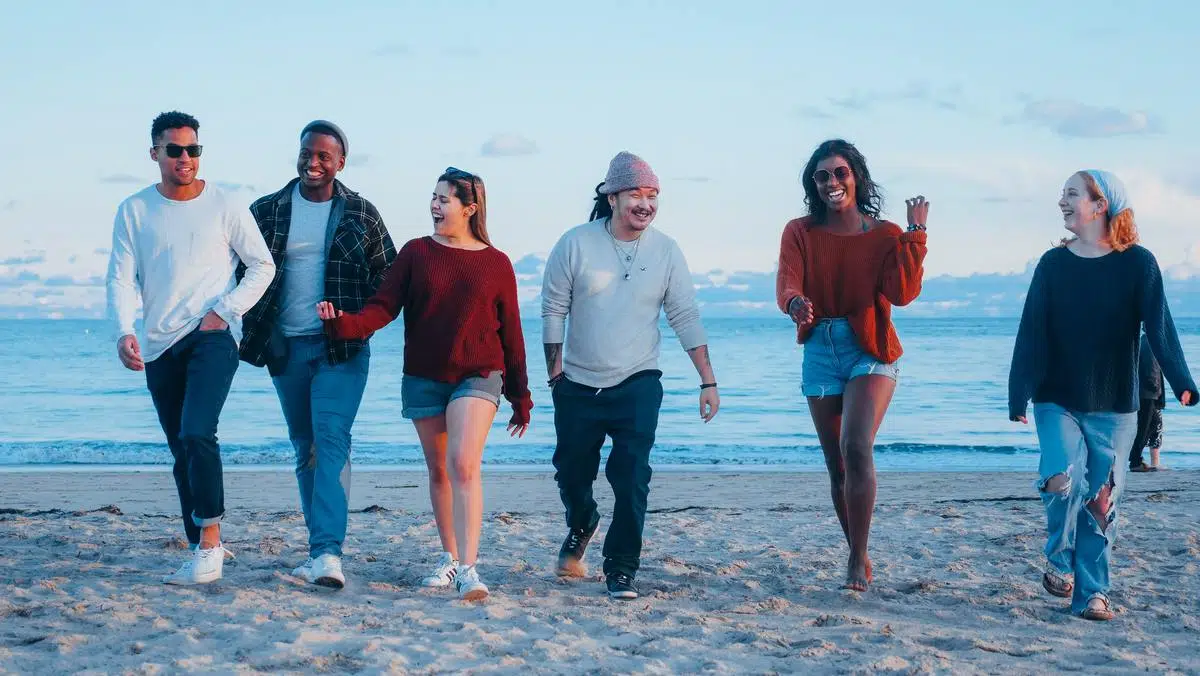
A Fulfilling Sober Lifestyle Can Be Yours, SJRP Can Help.
But more than anything else, SJRP recognizes the need for a great support system inside and outside of addiction treatment. The recovery process can be long and overwhelming. Still, the journey is possible with great friends, family, and consistent support from another sober person!
If you or a loved one struggles with using drugs or alcohol, St. John’s Recovery Place could help you take back your life. You no longer need to be a slave to addiction.
If you’d like to know more about St. John’s and how we can help you heal for the long term, call us today at 833-397-3422. Don’t wait another minute.
Start your journey to sobriety today with SJRP’s holistic treatment programs!







Leave A Comment