


Don’t Overlook These Adventure Therapy Benefits
Adventure Therapy has been around for decades and recently has become more popular at drug and alcohol rehab facilities because of its numerous mental and physical benefits.
From decreasing depression to increasing the immune system, adventure therapy benefits create positive changes to your well-being and have an equally positive effect on your rehabilitation and recovery.
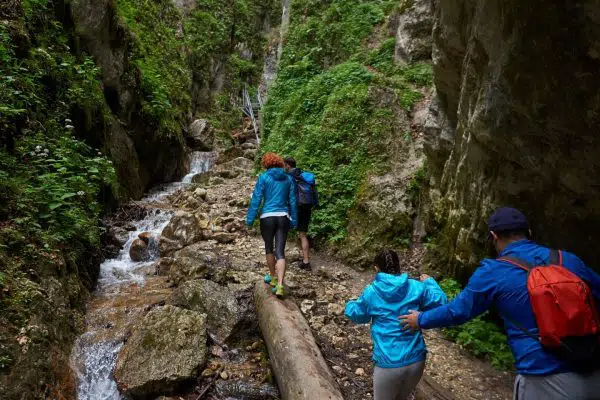
How does adventure therapy work?
Adventure Therapy
What originally started as camping therapy in the 1800s led to the idea of summer camps for kids and young adults and outdoor therapy for patients in mental health hospitals.
Eventually, this therapeutic process evolved into what we know today as Ecotherapy, Adventure Therapy, and Wilderness Therapy.
What is Adventure Therapy?
Adventure therapy uses experiential learning activities in natural environments to engage a person cognitively, affectively, and behaviorally. These outdoor activities range from recreational to meditative and are often grouped into different types: games, problem-solving initiatives, trust activities, and wilderness activities.
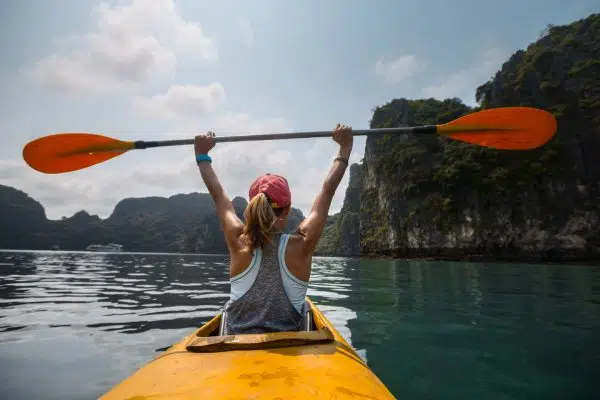
Adventure therapy uses experiential learning activities in natural environments to engage on a deeper level.
Adventure activities include:
- Camping
- Trust falls
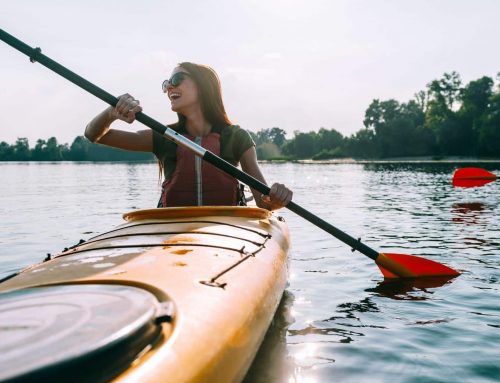
- Kayaking
- Volleyball
- Mountain climbing
- Ropes courses
- Rock climbing
Through adventure therapy, an individual works on identity development, specifically increasing self-awareness, self-esteem, and self-efficacy.
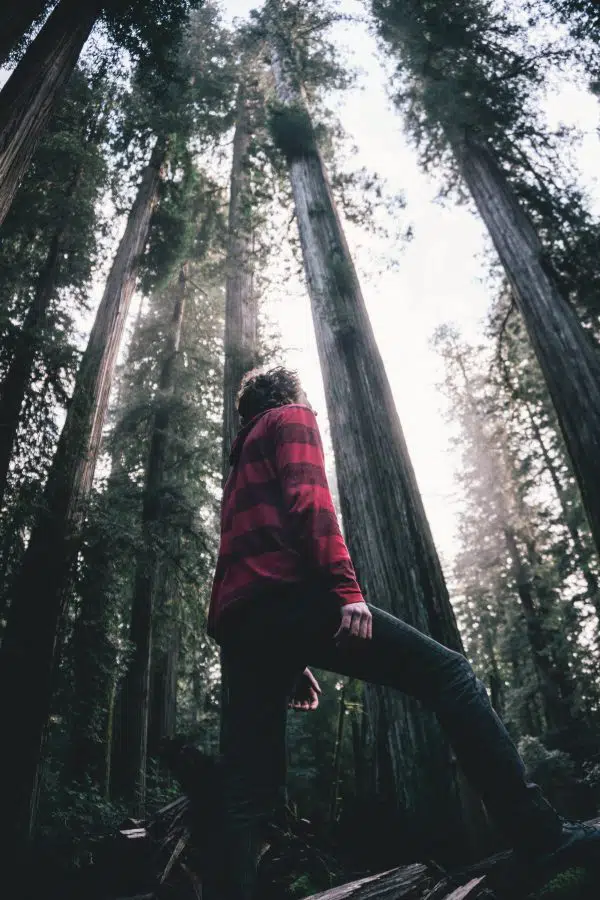
Activities may include physical challenges, problem-solving games, or cooperative activities.
Adventure Therapy Benefits for Addiction Treatment
Adventure Therapy is the use of experiential therapy, usually in nature, in which there is an actual or perceived risk. The risk may be physical or psychological.
Addiction treatment centers can use an adventure therapy program as part of an overall holistic approach to rehabilitation. Improving mental health and physical health, teaching coping skills, and cultivating identity development are just some of the many benefits of adventure therapy.

Adventure therapy has significant benefits for behavioral issues such as addiction and substance use disorder.
Eustress and Increased Motivation
The presence of risk results in the perception of challenge, which in turn creates eustress. Eustress is positive stress that results in feelings of excitement, satisfaction, and fulfillment.
Eustress keeps us motivated to continue working toward our goals. This translates to an increased motivation to continue an individual’s journey to recovery.
Structure and Goals
When used in addiction treatment, adventure therapy provides structure, realistic goals, and an interactive way for an individual to learn about themselves.
Comprehensive Addiction Recovery
Adventure therapy is oftentimes performed as group activities but is increasingly being seen on an individual basis and as being combined with talk therapy. Coupled with talk therapy, adventure therapy provides a holistic and comprehensive therapy experience for an individual suffering from addiction.

Adventure therapy can have a profound effect on the healing process in substance abuse rehabilitation.
The Surprising Benefits of Adventure Therapy
There are many components of adventure therapy spanning from meditative to adventurous and equally as many benefits.
From learning problem-solving techniques to practicing vulnerability, the benefits of adventure therapy are plentiful! But did you know about these additional significant benefits?
Boosts Your Immune System
Most adventure therapy activities take place outdoors in nature. When breathing in the fresh air surrounded by trees and plants, we are also breathing in phytoncides. These are airborne antimicrobial chemicals that plants give off to protect themselves from insects and disease.
As we breathe in phytoncides during outdoor activities, our bodies increase the production of natural killer cells (NK.) These are a type of white blood cell that fights off tumor- and virus-infected cells in our bodies.

There are many adventure therapy benefits, do you know them all?
Decreases Depression (increases mental health)
Exposure to nature has been proven to be a natural method for reducing depression in many people. Over time, nature exposure can have a significant positive impact on mental health.
Nature boosts endorphins and dopamine production which then increases happiness and creates a more positive mood. Eventually, this can lead to decreased or even eliminated depression.
Builds Self-Confidence and Self-Esteem
From fun games to more intense wilderness activities, one of the biggest benefits of adventure therapy is the development of self-confidence, self-esteem, and self-efficacy.
One of the main issues of people suffering from addiction is a lack of confidence and esteem
An adventure therapy program allows an individual to try new experiences and encourages them to explore their capabilities and limitations. As an individual faces obstacles and progresses from fear to accomplishment, their self-confidence and self-esteem flourish.

Adventure therapy is a form of experiential education.
Teaches Effective Communication
Whether it be trust activities or problem-solving initiatives, many adventure therapy activities are completed in a group setting. Here, an individual learns effective communication skills and conflict resolution while completing tasks and reaching goals.
Even in one-on-one activities, the individual is communicating with a counselor or therapist and developing these same skills.
The value and benefits of an adventure therapy program in addiction treatment are exponential and when coupled with traditional talk therapy, these benefits can be absolutely profound to recovery.

Participating in adventure activities has a direct correlation to a positive outlook on treatment.
Experiential Therapy at SJRP
Adventure therapy can have a profound effect on the healing process in substance abuse rehabilitation. At St. John’s Recovery Place (SJRP) we integrate traditional therapy with experiential therapy to offer a well-rounded, holistic rehabilitation.
Some of the activities you’ll find in our Adventure Therapy & Mindfulness Program include:
- Walking Labyrinth / Hedge Maze
- Volleyball
- Trust Falls
- Campground
- Medicine Wheel
- Red Road of Wellbriety
The benefits of adventure therapy programs include increased social skills, emotional regulation skills, coping strategies, communication skills, self-awareness, and much more.
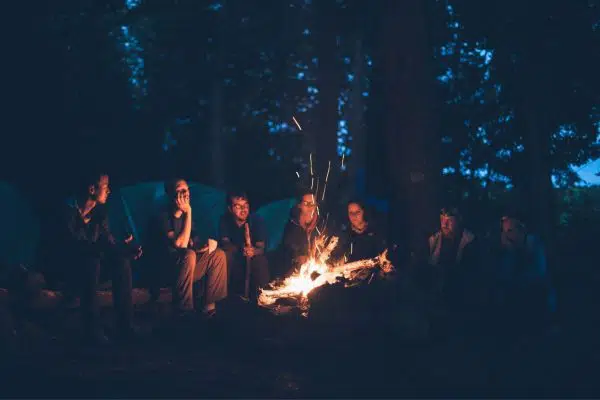
SJRP incorporates an adventure therapy program in its addiction recovery rehab.
Our Other Recovery Therapies
A major part of overcoming addiction is breaking down barriers and accepting change. We believe in the power of multi-faceted therapies to break through those barriers, shine a light on underlying issues, and help rebuild a strong foundation that will enable our clients to live the engaging and positive life that they deserve.
Our recovery therapies include:
- Animal-Assisted Therapy
- Equine Therapy
- Art Therapy
- Music Therapy
- Massage Therapy
- Individual Therapy
- Nutrition Therapy
- Neurointegration Therapy
- Group Therapy
Learn More and Get Started at SJRP Today
It’s time to stop struggling with your addictions. If you’re ready for change, we can help.
To learn more about Adventure Therapy and the Mindfulness Program at St. John’s Recovery Place, call our office at 833-397-3422.

Wilderness adventure therapy has shown significant positive results in mental health treatment.
SOURCES
- Buckley RC, Brough P, Westaway D. Bringing Outdoor Therapies Into Mainstream Mental Health. Front Public Health. 2018;6:119. Published 2018 May 3. doi:10.3389/fpubh.2018.00119. Retrieved June 23, 2021 from https://www.ncbi.nlm.nih.gov/pmc/articles/PMC5944462/
- Department of Environmental Conservation. Immerse Yourself in a Forest for Better Health. New York Lands and Forests. Retrieved June 23, 2021 from https://www.dec.ny.gov/lands/90720.html
- Li Q, Kobayashi M, Wakayama Y, et al. Effect of phytoncide from trees on human natural killer cell function. Int J Immunopathol Pharmacol. 2009;22(4):951-959. Retrieved June 23, 2021 from https://pubmed.ncbi.nlm.nih.gov/20074458/
- Lindberg, Sara. Eustress: The Good Stress. Healthline. January 3, 2019. Retrieved June 23, 2021 from https://www.healthline.com/health/eustress
- SJRP. Adventure Therapy. Retrieved June 23, 2021 from https://www.sjrp.com/services/recovery-therapies/adventure-therapy/






Leave A Comment