


DBT Behavioral Therapy: Exploring the Modalities – Distress Tolerance: Today, mental illnesses and substance use disorders affect millions of people every year. Nearly one in every four adult Americans struggles with a severe mental health issue. And over 30 million people struggle with an alcohol use disorder or drug abuse.
According to the Mental Health Services Administration, substance abuse disorders are forms of mental illness. These illnesses are known to instill life-threatening behaviors in many individuals.

Addiction and Other Mental Health Conditions Cause Physical and Emotional Pain
But luckily, most mental health issues and substance use disorders are manageable, treatable conditions.
One of the most well-known effective treatment methods for mental health conditions and substance use disorders is dialectical behavior therapy (DBT).
The Mental Health Care and Addiction Treatment Environment
People are put in a stressful situation when struggling with mental health problems like addiction, borderline personality disorder, or a binge eating disorder.
Unfortunately, when struggling with such a severe illness, a person’s ability to emotionally regulate themselves, take responsibility for their actions and control their impulses is severely impaired.
As a result, many drug and alcohol addiction treatment centers work hard to treat the source cause of addiction (past trauma). But, they also work through group skills training and individual therapy sessions to improve an individual’s emotional vulnerability.
This way, they can build their defenses against stresses and triggers in life and form a more effective relapse prevention system for themselves post-rehab.
Addiction Cases and Mental Health Issues are Filled with Negative Emotions
But luckily, a client receiving effective treatment therapy will be guided to build self-soothing coping skills to improve their emotional regulation and overall healing.
Thousands of drug and alcohol rehabilitation facilities across the country dedicate their services to helping those who struggle with mental illness or addiction heal every year. At the present moment, our very own rehab center, St. John’s Recovery Place (SJRP), aims to help clients heal through various alternative, traditional, and holistic treatment practices.
Our facility uses cognitive-behavioral treatment and dialectical behavioral therapy (DBT) to aid clients on their paths to holistic restoration and healing.
But, what exactly is dialectical behavior therapy? And how can it help people improve their emotion regulation skills to combat problematic behaviors?
Understanding What Dialectical Behavior Therapy (DBT)
Dialectical behavior therapy (DBT) is a therapeutic method most well-known for its objective effectiveness. Originally derived from cognitive behavioral skills training, DBT treatment is a form of talk therapy that focuses on building up an individual’s emotional tolerance to stressful situations.
When therapists first released the therapeutic form for public use, it was primarily used for treating borderline personality disorder (BPD).

DBT Teaches Individuals How to Embrace Overwhelming Emotions
Yet, since health professionals have been given more time to observe DBT skills training in action, researchers have determined that DBT can be used for much more than BPD treatments. Today, DBT skills are used frequently in drug and alcohol addiction rehabs to help teach clients emotion regulation, mindfulness skills, and other forms of coping mechanisms.
Individuals who struggle with addiction or other mental health complications often find it challenging to create or use practical coping skills in everyday life. Hence, why do many turn to drugs or alcohol in the first place in an attempt to help them relax?
Unfortunately, Addiction Breeds Many Self-Harming Behaviors in People
But luckily, DBT treatments aim to teach clients about radical acceptance in healing. Many people who struggle with mental health issues or addiction feel shame for the intense emotions they experience.
And they often feel embarrassed by how they let their painful emotions dictate their lives. This is where DBT coping strategies come into play.
In dialectical behavior therapy, clients are taught radical acceptance. And in learning radical acceptance, they learn how to recognize risky behaviors. While also learning how to accept and embrace their difficult emotions as they re-learn self-respect and compassion. The skills taught in DBT therapy all revolve around distracting self-soothing improving, and practicing radical acceptance.
And there are a few ways DBT sessions help clients learn about embracing and changing their emotional reactions.
DBT’s Interpersonal Effectiveness Skills Training Helps Treat More Than Borderline Personality Disorder
As years passed, dialectical behavior therapy was used primarily for treating borderline personality disorders. Yet, in more recent years, professionals have noted that the treatment has a way of stirring positive emotions in individuals who struggle with substance use disorders and other mental illnesses.
Physical health, mental wellness, interpersonal relationships, and even a person’s professional life suffer at the hands of addiction.
But, with learning DBT skills in addiction rehab, clients can not only begin learning about managing emotions. They can also learn to embrace negative emotions, reduce anxiety symptoms, and improve their interpersonal effectiveness.
The DBT Behavioral Therapy Modalities
While in individual sessions or a skills training group in rehab, clients can learn not only about self-respect, the effectiveness of paced breathing, and paired muscle relaxation. They can also learn about maintaining self-respect, self-soothing techniques, and more.
Clients learn how to use these skills through DBT’s treatment modalities.
The DBT behavioral therapy skill set includes four main components, including:
- Mindfulness skills training
- Interpersonal effectiveness training
- Emotion regulation training
- Distress tolerance training
These skills are taught to clients over individual and group treatment sessions.
Each technique targets the development of reliable and healthy coping mechanisms in each individual. These four skills help clients learn more about themselves. Teach individuals to recognize a threat to their peace of mind. And deal with that threat in a more positive, healthy manner so they stay balanced even under the stress of daily life. Mindfulness teaches clients to be self-aware. Interpersonal effectiveness teaches them the importance of healthy communication and how to become better communicators. Emotion regulation helps clients learn to process their emotions instead of reacting blindly to them.
So, what is the fourth DBT component, and what does it teach?
Defining the DBT Behavioral Therapy Distress Tolerance Module
Stress is an unfortunate factor in our everyday lives.
Thus, as functioning members of our communities, we must build our distress tolerance to handle anything. But more often than not, people struggling with substance abuse disorders have a hard time managing their stress responses. And thus find it challenging to tolerate any emotional, mindful, or physical distress. Even people who do not struggle with addiction or mental illness often find it difficult to sport a strong distress tolerance.
But a healthy distress tolerance system will often help people make it through their daily lives and even more stressful events without their resolve crumbling.
So, What is Distress Tolerance?
Distress tolerance sounds precisely like what it is. It is the art of learning how to tolerate and cope with distressing feelings and situations.
We are learning how to navigate the world around us without breaking down and turning back to negative thoughts or habits, even when the problem does not lend itself to an easy or immediate resolution.

Learning Distress Tolerance Skills can Help Improve Interpersonal Relationships
Learning how to tolerate distress tactfully helps clients learn to ground themselves.
Even in the most intense situations, learning to use communication skills better helps prevent relapse. And learning new coping skills to avoid backslides in recovery through encouraging acceptance and problem-solving can help clients build their resolves and self-confidence.
How DBT Distress Tolerance Skills Training Helps People Heal
Like the other three components of dialectical behavior therapy, distress tolerance DBT is an essential tool for clients to learn. It helps them manage rehab, therapy, and treatments.
Still, as they learn to master the skill, it will enable them to handle any situation thrown their way with grace. Being prepared to face even the craziest of disasters with coping skills like distress tolerance can genuinely change a person’s life.
And distress tolerance can be achieved through even the most simple actions, like learning how to smile to help soothe the soul and nerves.
How People Use Practical DBT Exercises like a Distress Tolerance Skill in Daily Life to Curb Self Destructive Behaviors
Today, we know there are four primary techniques to practice dialectical behavior therapy.
Yet, even though there are only four primary modalities used to teach DBT skills. There are many more ways to break down these lessons to make them more flexible. Healing is not linear. Thus, each client is subject to needing different supports and recovery options even within skill groups and individual therapy sessions.
As a result, clients and mental health professionals have been working hard to develop new ways to use DBT treatment modalities daily. Some of the most common, practical uses of DBT distress tolerance include:
- Using different finger exercises as methods of distraction
- Listening to favorite songs to help soothe yourself in stressful situations
- Thinking or visualizing things you can look forward to as methods of distraction or improving the moment
- Practicing breathing techniques
- Engaging in physically strenuous activity
And this is only the very tip of distress tolerance techniques and methods people have used to enhance their DBT training experience!
St. John’s Recovery Place and DBT Skills Training in Group and Individual Therapy
Today, mental illness and substance abuse cause life-threatening behaviors to appear in millions of individuals. But, with the help of treatment centers like St. John’s Recovery Place, people stand a chance to use individual and skills group training to overcome their emotions. And thus overcome the addiction itself.
St. John’s Recovery Place uses a variety of addiction treatment modalities to help clients heal.
These practices include therapeutic methods like DBT distress tolerance skills, CBT training, support group therapy, and more.
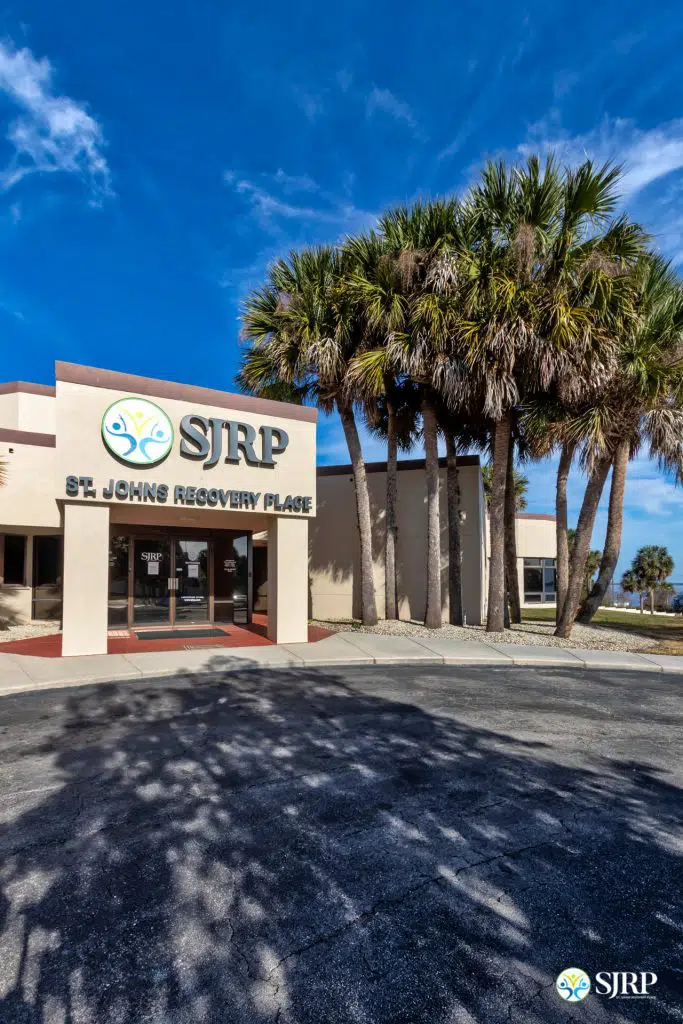
St. John’s Teaches Distress Tolerance Skills and More in Addiction Rehab
Here at SJRP, we believe in a holistic approach to healing. If you or your loved one is struggling with substance abuse or a co-occurring mental health disorder, we can help you heal in mind, body, and spirit. If you want to learn more about St. John’s, you can visit us online or call 1-833-397-3422.
Please help us, help you. Call SJRP today to start your recovery journey.







Leave A Comment