


Adventure, the definition of an engaging, exciting and unusual experience or activity that could prove hazardous, life-altering or freeing to a person. The term “adventure” applies to almost any experience out of the ordinary for an individual. Taking a walk to the store five miles away can be just as much of an adventure as going on a rock-climbing expedition. Even the pursuit of drug and alcohol addiction healing can be an adventure.
As one wise blogger wrote: “When you shift your mindset, you begin to see any new opportunity as an adventure any kind of exciting experience that is bold or risky.” This is an adventurous undertaking. Of course, if you or a loved one is suffering from a substance use disorder, you may not feel as though the rehabilitation process is a matter of adventure but one of necessity.
These feelings are perfectly justifiable. Drug and alcohol rehab is often the difference between life or death for many individuals. It is scary to admit that without professional help, someone may face a life-threatening circumstance as a result of drug abuse or alcohol addiction, but it is a fact of life. The good news is that today addiction treatment is not only possible; substance abuse is highly treatable! And the methods healthcare professional utilize for substance abuse treatment or more innovative than ever!
Addiction rehab may not seem like an adventure to you or your loved one in and of itself. Still, it can provide you with many opportunities to experience adventurous activities and grow exponentially as an individual throughout your recovery journey. Drug and alcohol rehabilitation centers like St. John’s Recovery Place (SJRP) specialize in sharing holistic and innovative healing experiences with their clients. As a result, recovery facilities like SJRP offer alternative and complementary treatment services like adventure therapy to their clients.
Adventure therapy, also known as wilderness therapy, is a proven clinical treatment typically utilized outdoors. The proper definition of adventure therapy states that wilderness rehabilitation is “the prescriptive use of adventure experiences [in a controlled setting] by mental health professionals [that is] often conducted in natural settings that kinesthetically engages clients on cognitive, affective, and behavioral levels.”
The Definition and Use of Adventure in Addiction Therapy
Adventure therapy is proven psychotherapy that only licensed therapists can utilize to treat substance abuse and other outlying conditions. The therapeutic method’s challenging physical and mental nature helps to teach and promote in clients the strengthening of self-esteem, self-efficacy, internal focus, physical flexibility and movement, and even group dynamics. Adventure therapy is conducted in group settings most often, although it can also be pursued individually.
It is great to know more about adventure therapy in theory. But now, you may be curious about wilderness rehabilitation in practice. So, what adventure-based therapy activities do therapists use to help propel individual and group addiction recovery forward?
Here are five awesome adventure-based therapy activities you or a loved one can engage in:
1.) Swamp Crossing: A unique group project that some therapists use in adventure therapy includes a client team going out for a hike. During this hike, the team encounters a swamp or marshy area of an exceptional size that is clear they cannot cross without each other’s help. The therapist engages each individual to practice team-building and problem-solving by tasking the group to get across the swamp with only four or fewer contact points to get everyone across the marshy area safely together.
2.) Tinkering Team Task: A therapist tasks a group of adventure therapy clients to use new and innovative ways to build the tallest, most foundationally sound structure they can get out of clays, tinker toys, straws, or other building materials. The design is deemed finished and successful after being fully built to is official height requirement that the structure can support a small outside object of the therapist choosing without collapsing.
3.) Primitive Camping/Skill Teaching: Many people enjoy the therapeutic measures that camping of all levels involves. Whether you like to head out in a camper, stay in a cabin, or pitch a tent, getting out into the fresh air for an extended period can do wonders for not only your physical health as you move about but your mental health as well. Adventure therapy takes camping one step further. Primitive camping does away with the amenities of standard campsites.
The practice forgoes added backpacking gear, forcing clients to use their team-building skills, practice interpersonal communication, focus, and utilize their problem-solving mental factories to survive the wild off-grid for a couple of days. During this time, clients will be able to separate from the damaging effects of technology and mentally distance themselves from the daily hustle of life to allow their minds to heal and be put to work for more constructive and creative uses. Primitive skill training and camping will include learning how to hike off the beaten path, use your hands to weave and tie things together, start a campfire, cook with minimal utensils, and so much more.
4.) Leadership Training and Coaching: Leaders are not always born. Sometimes they are made. In some occupational adventure therapy settings, a therapist will work with clients in individual and group counseling levels to teach them the importance of focus, how to lead themselves, and how to encourage a group to work together.
These lessons help teach clients a new set of coping skills, allowing them to take charge, learn to remain calm even in the most outlandish and stressful situations, and gain a sense of how to be a better team player. These types of counseling sessions are beneficial for relapse prevention in the future as clients learn to better build a solid support network around themselves and their fellow rehab goers.
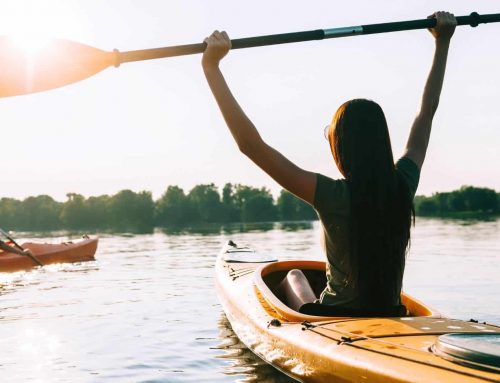
5.) Kayaking: Going out on a kayaking trip down a river or around a lake is another excellent adventure-based therapy activity many people seem to enjoy. Adventure therapy counselors often use kayaking as an individual approach to relaxation and healing through physical exertion and quiet, natural, tranquil, or even fun-loving surroundings.
Kayaking can also promote team-building competencies but is often a more personal way for substance abuse clients to get out and breathe some fresh air deeply as they are tasked to reflect on their recovery journey thus far.
Adventure therapy, like many other therapeutic methods, is not for everyone. Some people may find more use in practicing daily meditation methods in the privacy of their room for mental healing rather than the physical activity adventure therapy brings along. But if you or a loved one is curious about adventure-based therapy activities, it is important that you remember the healing capabilities adventure holds.
Taking the time to adventure safely can open up a wide variety of healing and learning opportunities for you or your loved one. Participating in a wilderness rehab program can help you learn and utilize new and more refined coping skills. It can help you get outside to get some exercise, and it can help you build unique and lasting relationships with the group of people around you.
Here at St. John’s Recovery Place (SJRP), we believe adventure is out there, waiting to happen for anyone and everyone who wishes to explore more avenues of life. If you let us, we would love to be the recovery center that helps you adventure throughout your healing journey, cheering you on through every setback and victory along the way.
Call us today at 1-833-397-3422 to learn more about how you and SJRP can work together towards beating addiction once and for all! You no longer need to be a slave to the impulses substance abuse creates.
References
- Merriam-Webster Dictionary. The Definition of Adventure. (Accessed 2021, June 29).
- Keep Inspiring Me. Adventure Quotes. (Accessed 2021, June 29).
- SJRP. St. John’s Recovery Place. Drug and Alcohol Rehab Center. Home Page. (Accessed 2021, June 29).
- SJRP. St. John’s Recovery Place. Drug and Alcohol Rehab Center. Recovery Therapies. (Accessed 2021, June 29).
- TU Dortmund University. Adventure-Therapy Effects on Self-Concept – A Meta-Analysis. (Accessed 2021, June 29).
- NIH: National Library of Medicine: National Center for Biotechnology Information. Pub Med. Wilderness Adventure Therapy Effects on the Mental Health of Youth Participants. (2016, May 13). (2021, June 29).
- UNCG. Cashwell Building. Building Self-Esteem Through Adventure-Based Counseling. (Accessed 2021, June 29).
- Smith College. The Theoretical Foundations of Wilderness Therapy. (2009). (2021, June 29).
- Research Gate. Leadership Competencies for Outdoor Adventure: From Recreation to Therapy. (1994, January). (2021, June 29).
- Room for Debate. Elon. What is the value of Outdoor adventure Therapy? (2017, May 5). (2021, June 29).






Leave A Comment